08569-283887 · +91 90006 60144+91 83675 36572

SBVR Group ↗ ad.sbvrag@sbvr.in

Menu
Admissions

08569-283887
ad.sbvrag@sbvr.in

Academics

B.Sc. (Hons.) Agriculture

Four years. One hundred and fifty seats. Twelve departments, each with its own teaching laboratory and its own patch of the farm.

Admissions

Minimum qualifications required for admission

There are two routes into the degree. Both end in a state-conducted entrance examination.

Route one

Via Intermediate

  1. A pass in the two-year Intermediate examination conducted by the Board of Intermediate Education, A.P., or any other examination recognised as equivalent thereto by the University or Intermediate Board, with the following subjects:
    • Physical Sciences
    • Biological or Natural Sciences
  2. A pass in EAPCET, conducted by the Government of Andhra Pradesh.
Route two

Via Diploma

  1. A pass in SSC (10th class).
  2. A pass in the two-year Diploma in Agriculture from ANGRAU.
  3. A pass in AGRICET, conducted by ANGRAU.

Admission enquiry

Leave your details and the college office will call you back.

Disciplines

Twelve departments

Every department is led by a Head, teaches its own practicals, and maintains a laboratory on campus.

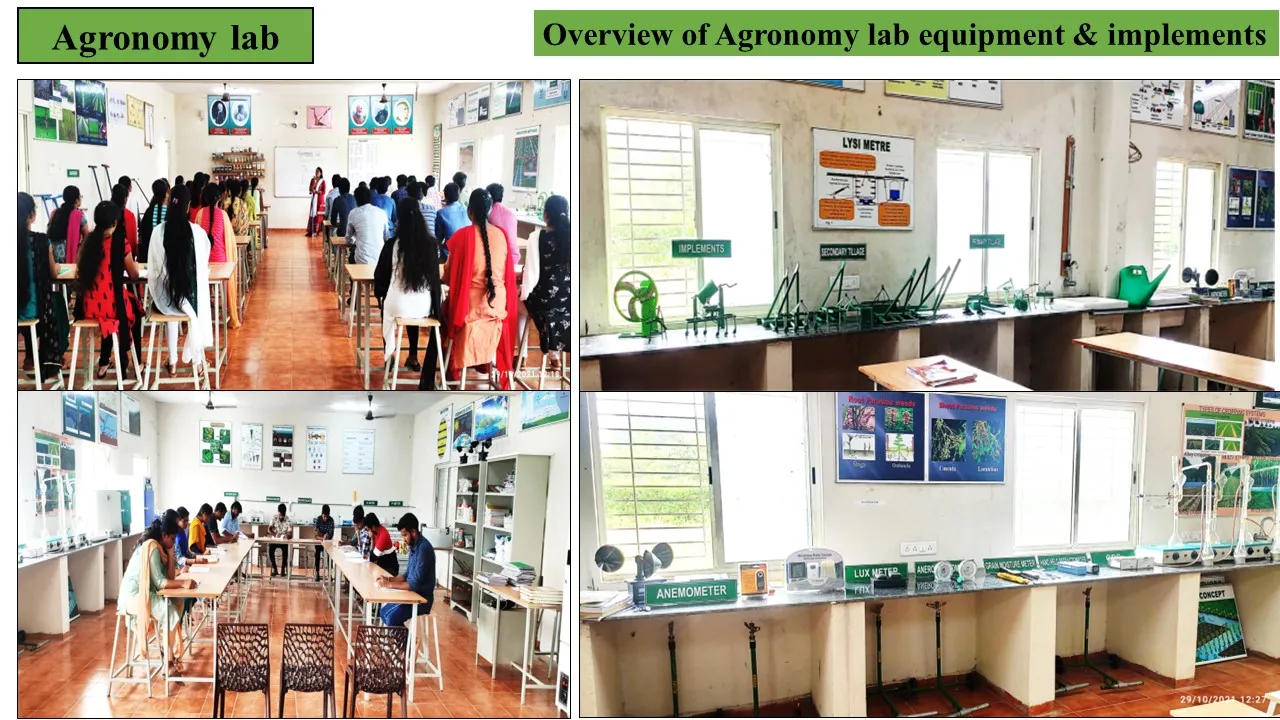
Agronomy laboratory

Agronomy

Field crop production, cropping systems, soil and water management.

Head
D. Prasanna Kumar
Teaching staff
3
Faculty →
Agricultural Extension laboratory

Agricultural Extension

Carrying research to the field, and farmer education and communication.

Head
M. Lakshmi Priya
Teaching staff
2
Faculty →
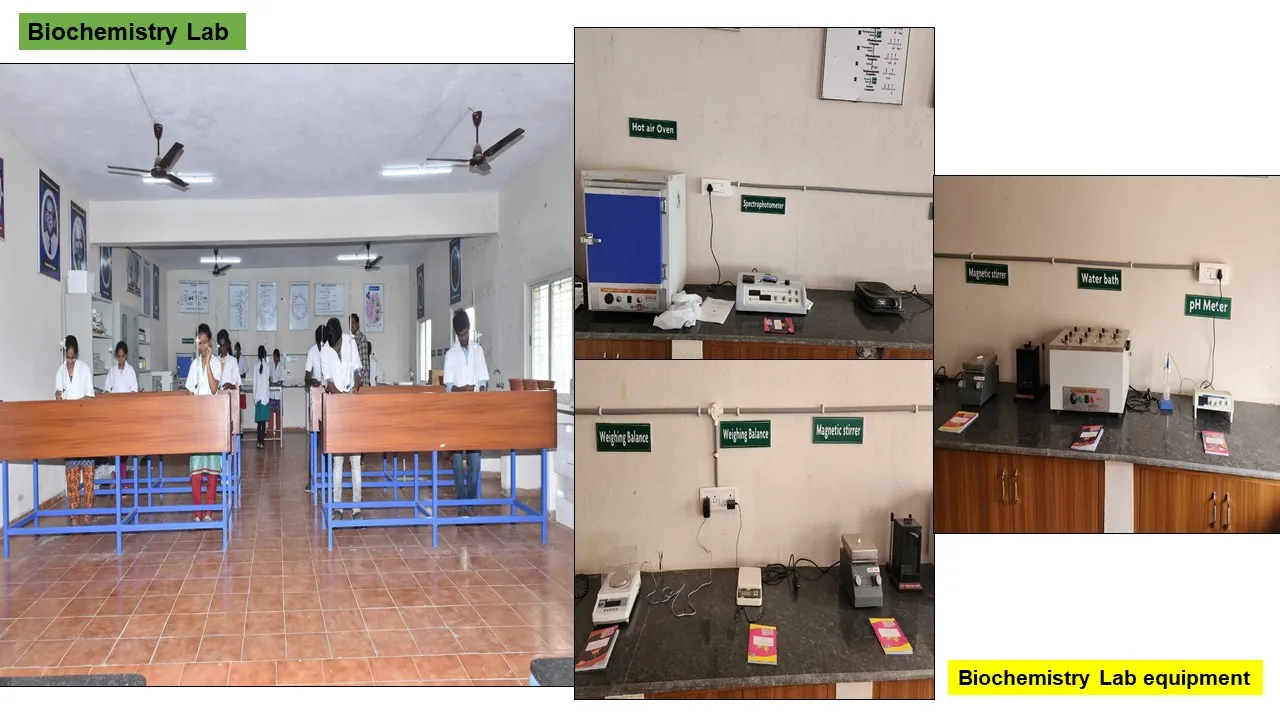
Biochemistry & Biotechnology laboratory

Biochemistry & Biotechnology

Plant biochemistry, tissue culture and applied agricultural biotechnology.

Head
Dr G. Vijaya Narasimha Reddy
Teaching staff
1
Faculty →
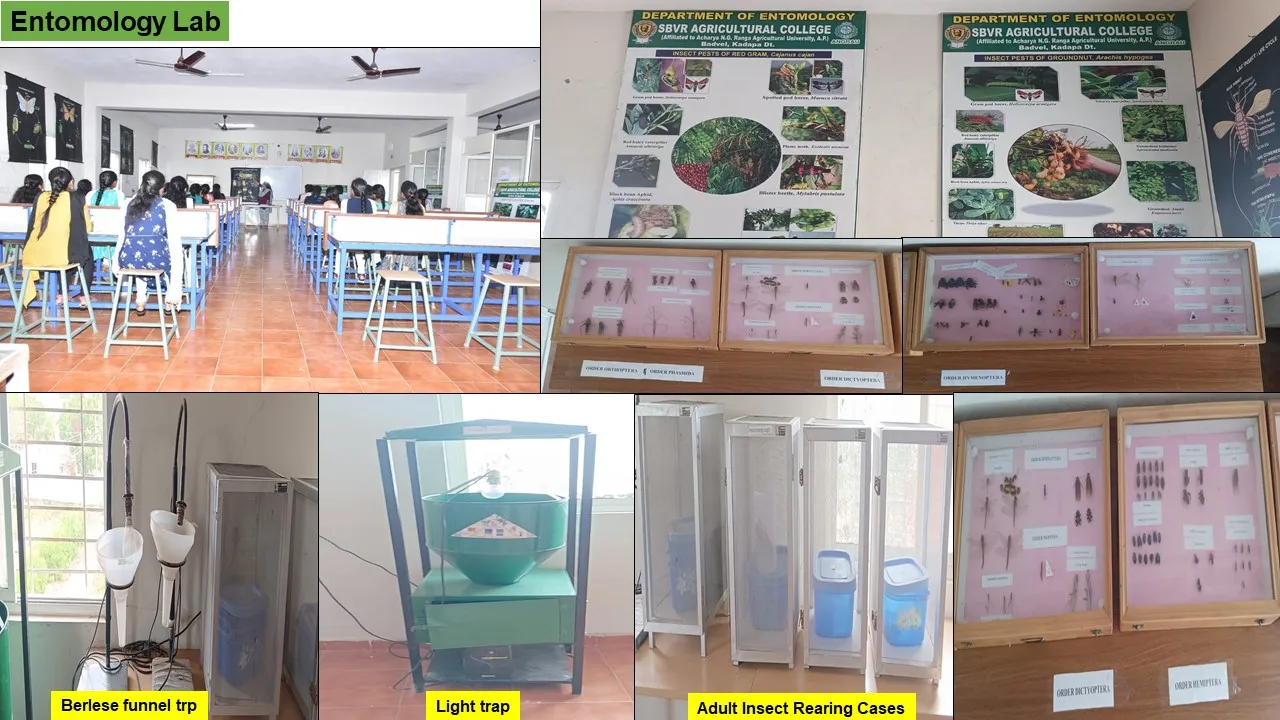
Entomology laboratory

Entomology

Insect pests of crops, their biology and integrated pest management.

Head
Dr K. Suneethamma
Teaching staff
2
Faculty →
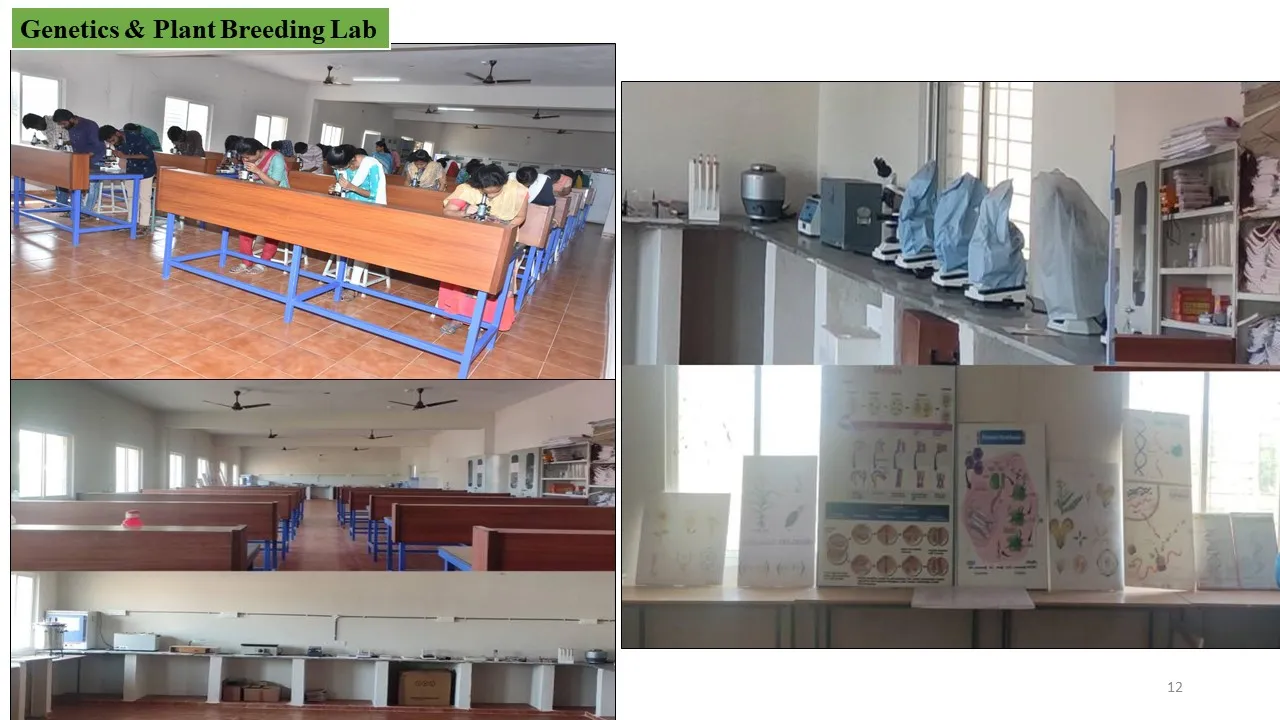
Genetics & Plant Breeding laboratory

Genetics & Plant Breeding

Crop improvement, varietal development and seed production technology.

Head
Dr Pandit Praveen Kumar
Teaching staff
4
Faculty →
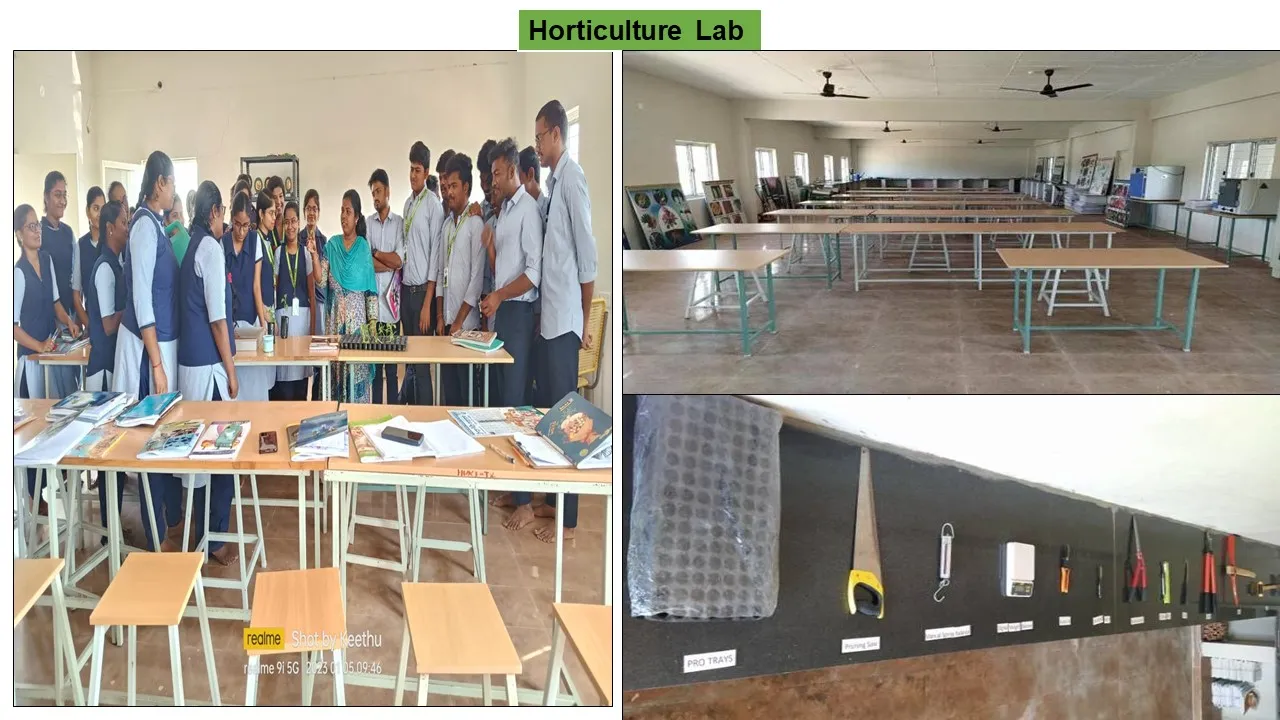
Horticulture laboratory

Horticulture

Fruit, vegetable, plantation and ornamental crops, and post-harvest value addition.

Head
R. Vishalakshi Ashokan
Teaching staff
4
Faculty →
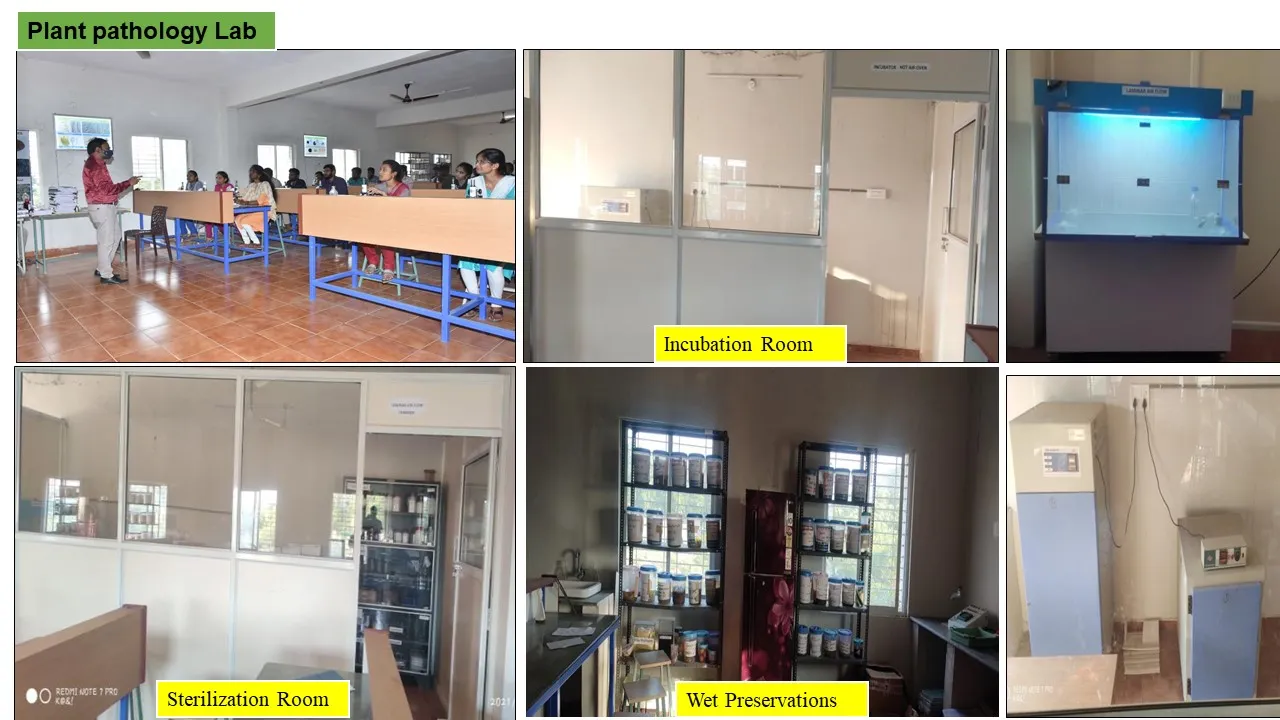
Plant Pathology laboratory

Plant Pathology

Crop diseases, their diagnosis, epidemiology and management.

Head
Dr V. Surendra
Teaching staff
3
Faculty →
Crop Physiology laboratory

Crop Physiology

How crops grow, respond to stress, and convert resources into yield.

Head
B. Nagalakshmi
Teaching staff
1
Faculty →
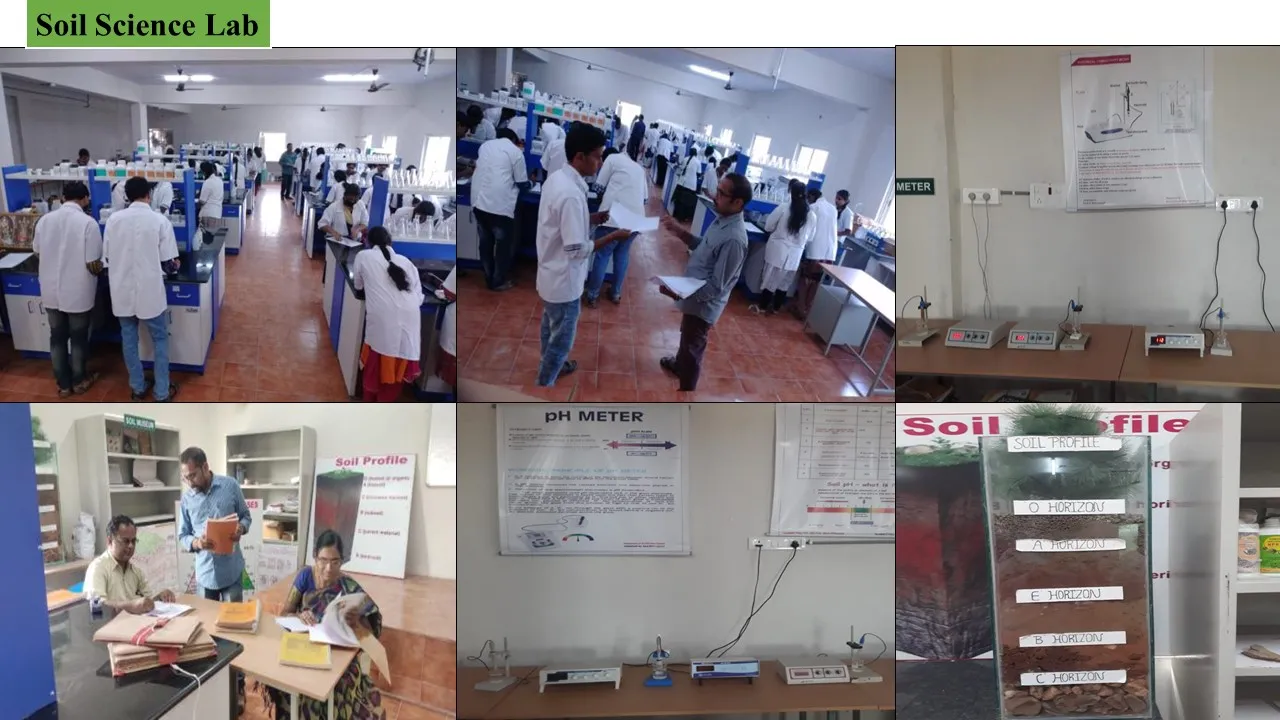
Soil Science & Agricultural Chemistry laboratory

Soil Science & Agricultural Chemistry

Soil fertility, plant nutrition, and soil and water analysis.

Head
G. Chaitanya Kumar Reddy
Teaching staff
2
Faculty →
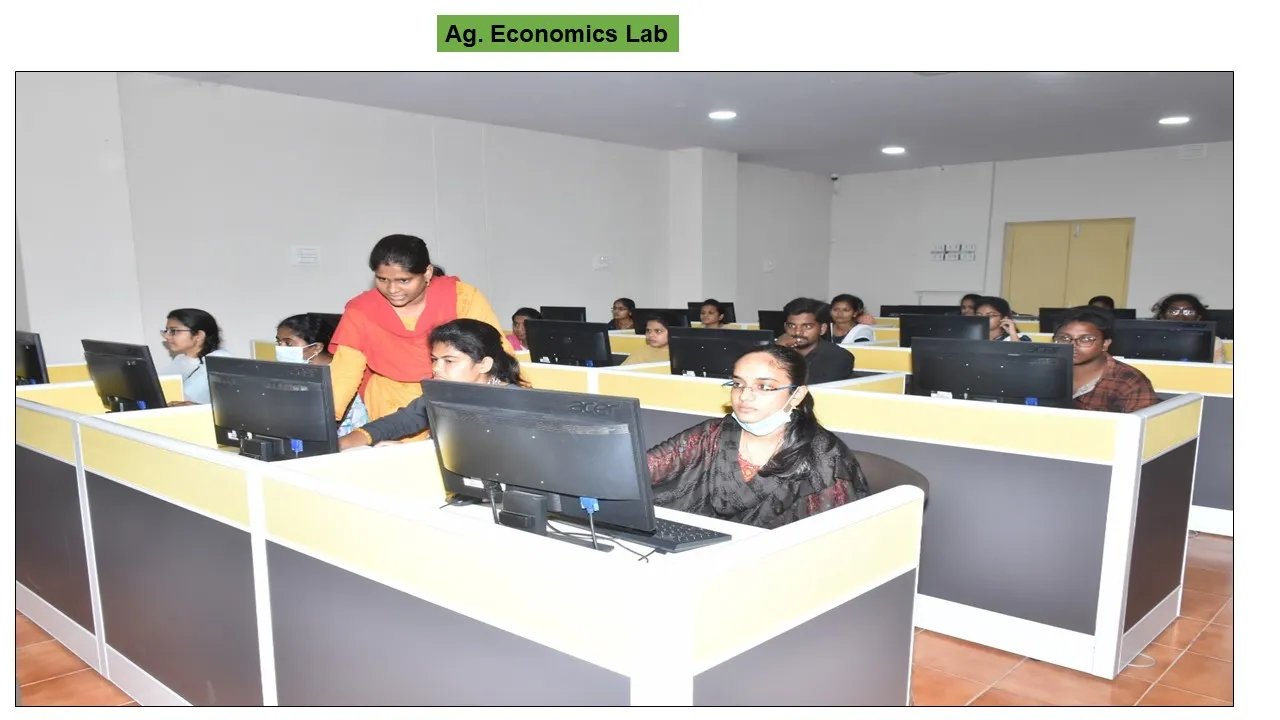
Agricultural Economics laboratory

Agricultural Economics

Farm management, agricultural markets, credit and agribusiness.

Head
C. Srilakshmi
Teaching staff
1
Faculty →
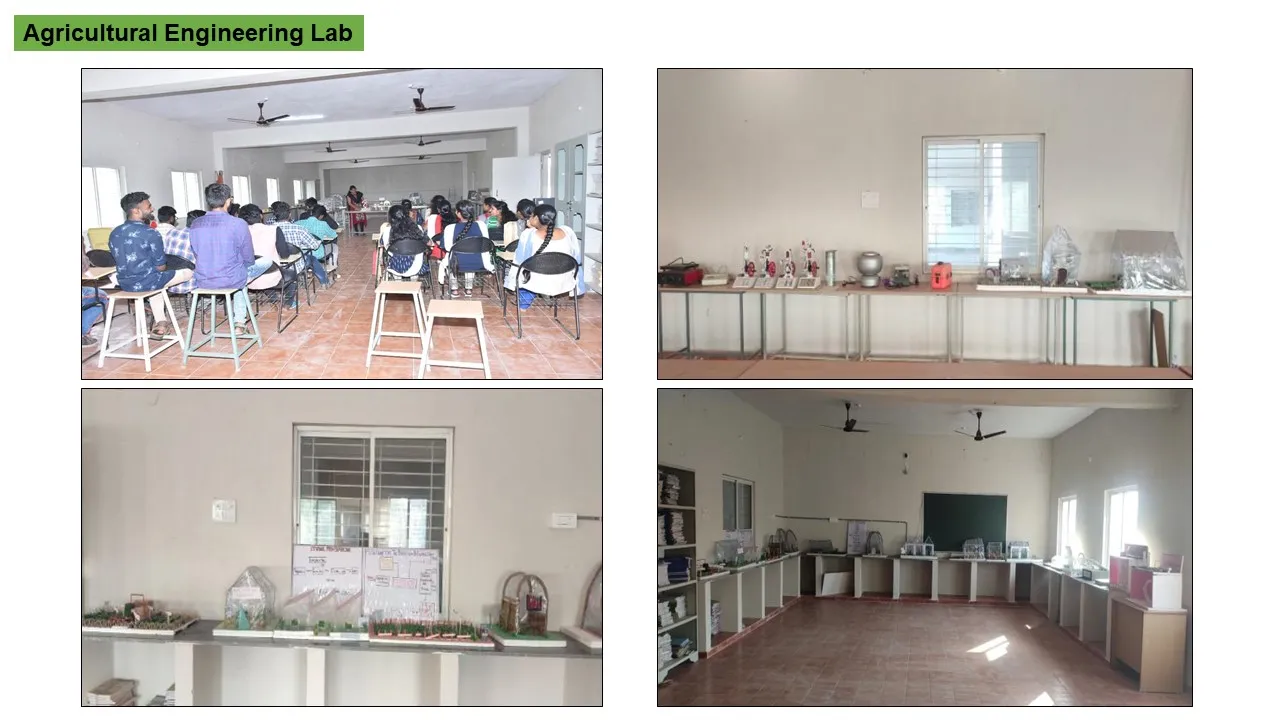
Agricultural Engineering laboratory

Agricultural Engineering

Farm machinery, irrigation engineering and processing technology.

Head
D. Vasu
Teaching staff
1
Faculty →
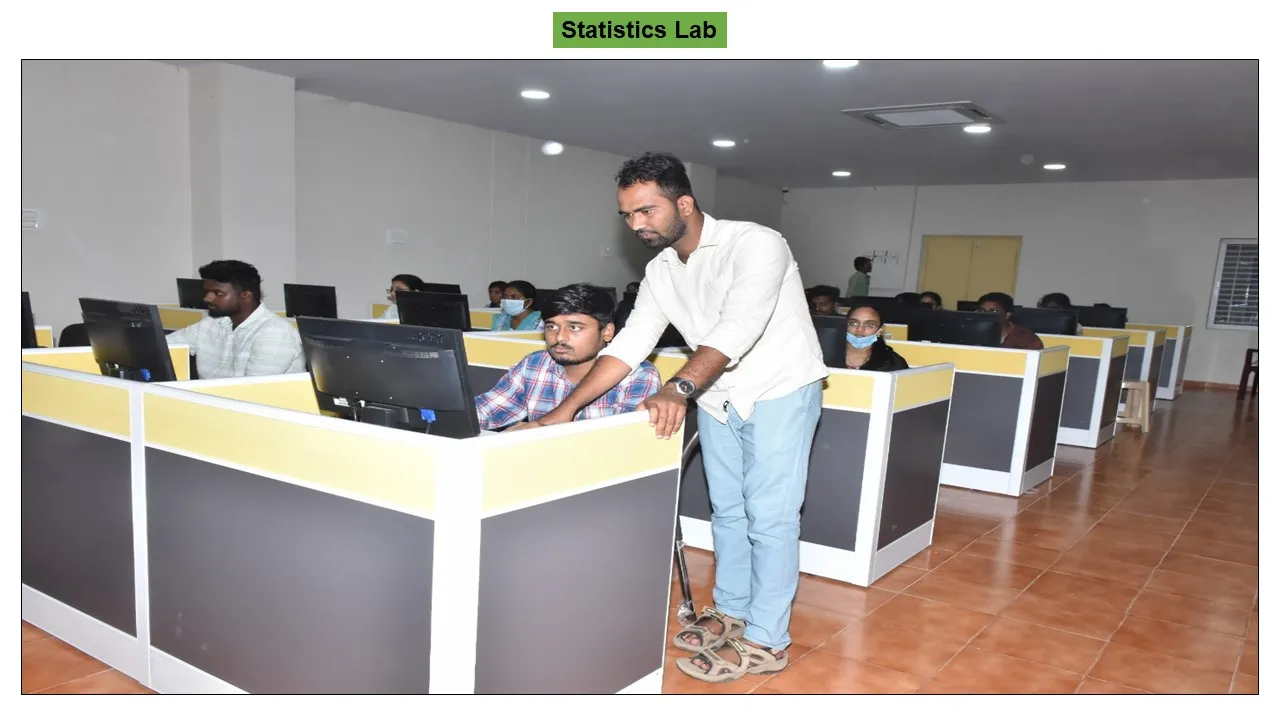
Statistics & Computer Applications laboratory

Statistics & Computer Applications

Experimental design, agricultural statistics and computing.

Head
Dr G. Raveendra Reddy
Teaching staff
2
Faculty →

How it is taught

Classroom, laboratory, field — in that order, every week

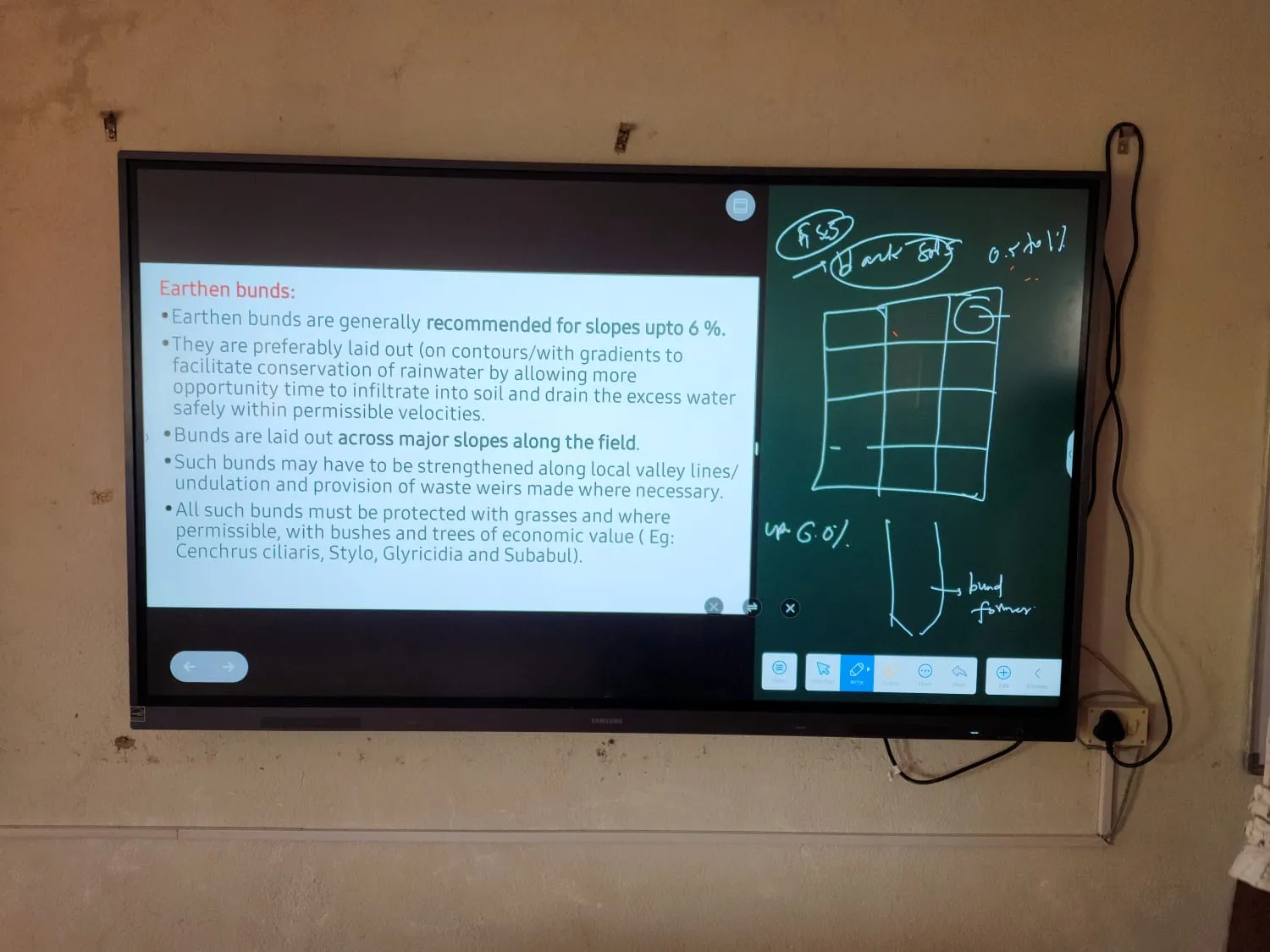
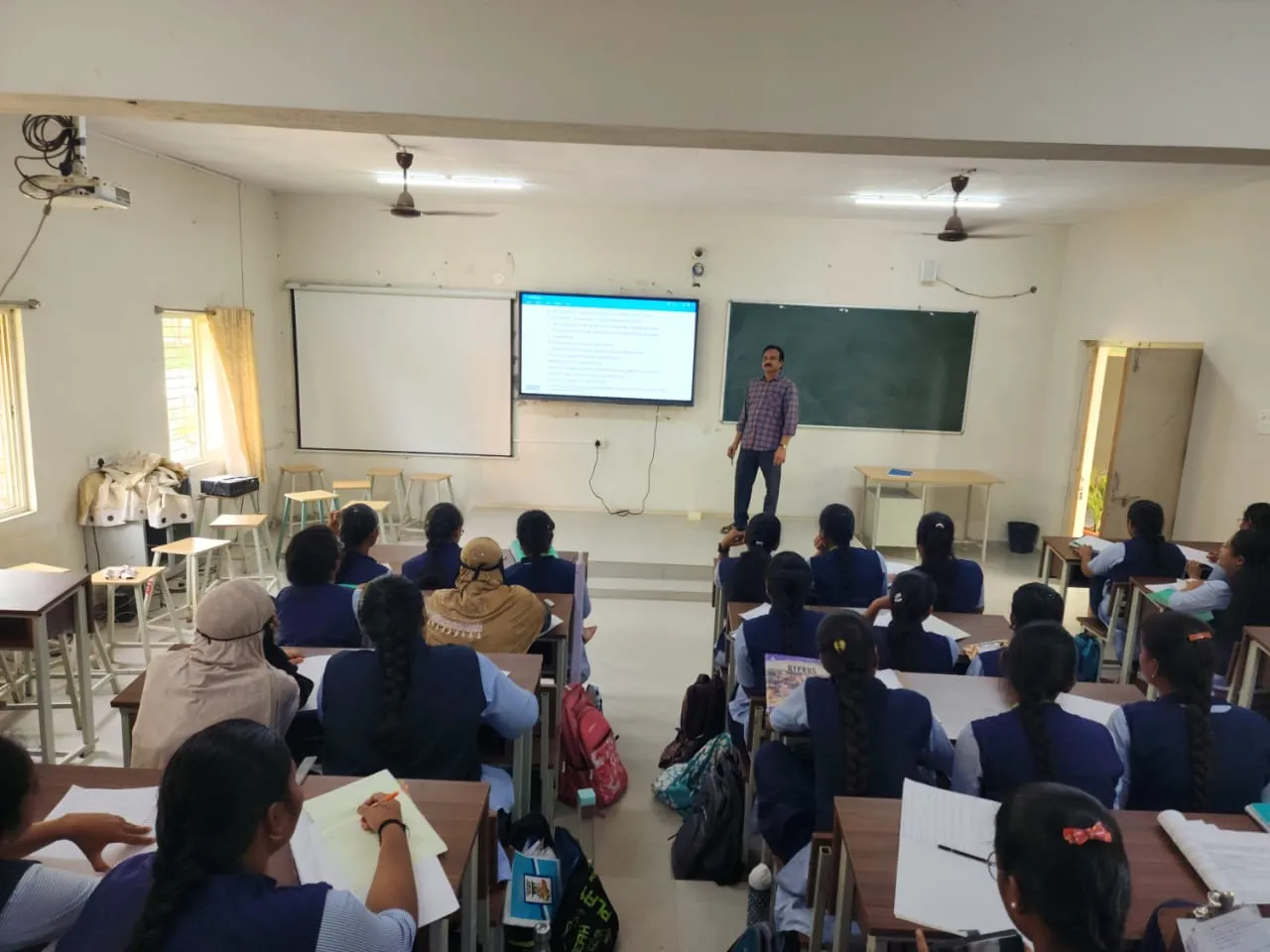
In addition to traditional classroom education, faculty take cognizance of the latest developments in the ICT domain and extensively use ICT-enabled tools, including online resources, for effective teaching and learning. Faculty and students are trained in the proper use of such facilities.

All teaching faculty use smart boards, LCD projectors, Zoom, Google Quiz and e-learning technology. The e-learning centre has leased-line internet, projectors, computers, laptops, Wi-Fi and LAN-connected desktop PCs. Faculty adopt relevant ICT methods — video, slides, animation and quizzes — depending on the course and the situation.

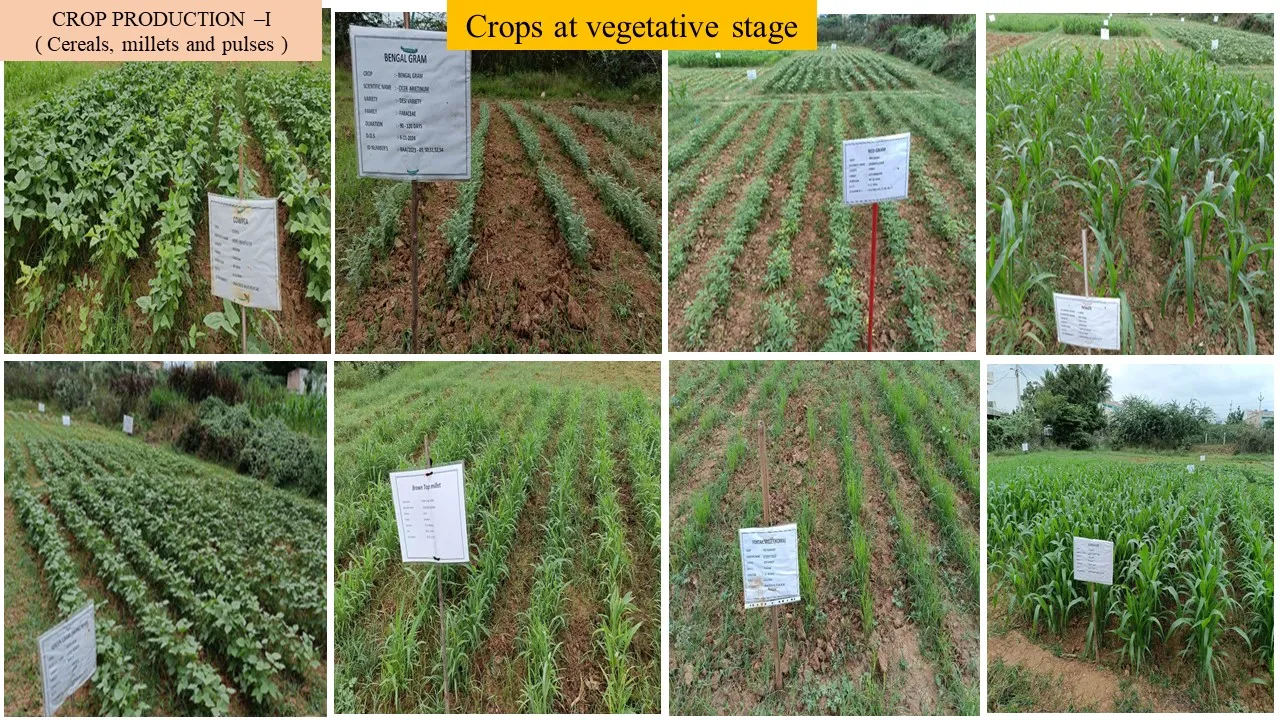
Theory is then tested against the crop cafeteria, the departmental laboratory and the 110-acre main farm. See how the farm teaches →

A smart board in use during a class
Smart boards and LCD projectors in every classroom.