Beyond the classroom
Student life
Three student-run enterprises, two NSS units of a hundred volunteers each, village placements, and the cells that keep the campus safe.
Earn while you learn
Experiential Learning Programme
Experiential learning is a component of the Student READY programme with a business curriculum-related endeavour. It aims to develop a cadre of skilled professionals who can create their own enterprises. The course design targets competence development through knowledge in all aspects of enterprise management, so that agriculture graduates have a complete understanding of field problems, project development and the execution of their enterprise.
Experiential Learning helps students develop competence and capability, build capacity, acquire skills and expertise, and gain the confidence to start their own enterprise — turning into “job creators instead of job seekers”. It is a focused part of the ANGRAU undergraduate curriculum, in parity with the ICAR-formulated syllabus, with the set objective of “Earn While You Learn”.
During 2019, two ELP units began operating — the EL Retro Unit and the Snow White Mushroom Unit. Keeping student strength and available facilities in view, three units have run from 2020 onwards, with a fourth added in 2024.
| Unit | Unit manager | Offering department |
|---|---|---|
| Nutri Plus ELP Unit | Ms P. Pravalika | Agronomy |
| Organic ELP Unit | Mr D. Prasanna Kumar | Agronomy |
| Snow White Mushroom Unit | Dr V. Surendra | Plant Pathology |
| ELP Retro Unit | Dr K. Sreevandana | Horticulture |
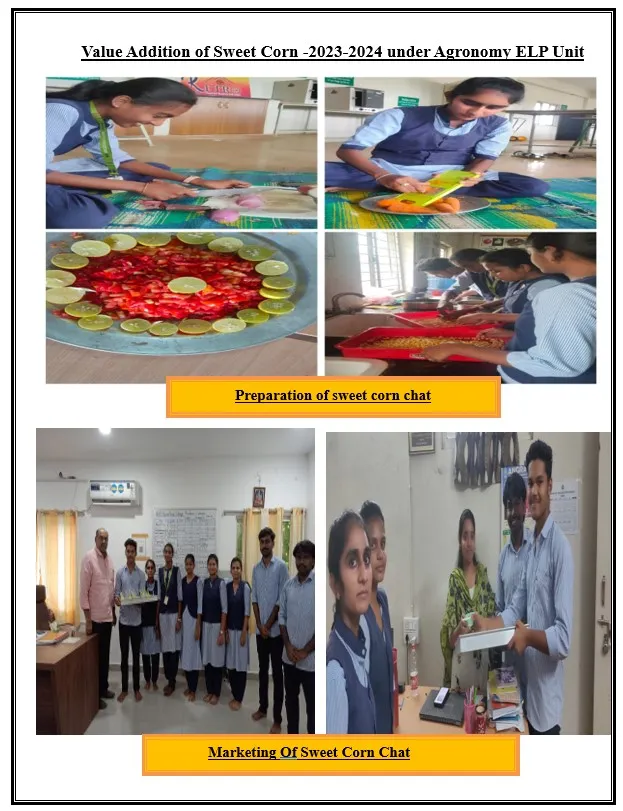
I. Nutri Plus ELP Unit
The Department of Agronomy established a Nutri Plus unit where students actively participate in the cultivation of various crops. After harvesting, students carry out value addition, learning post-harvest techniques such as processing, packaging and marketing. The module emphasises hands-on experience of seed production of field crops, and processing and value addition of the selected crop.
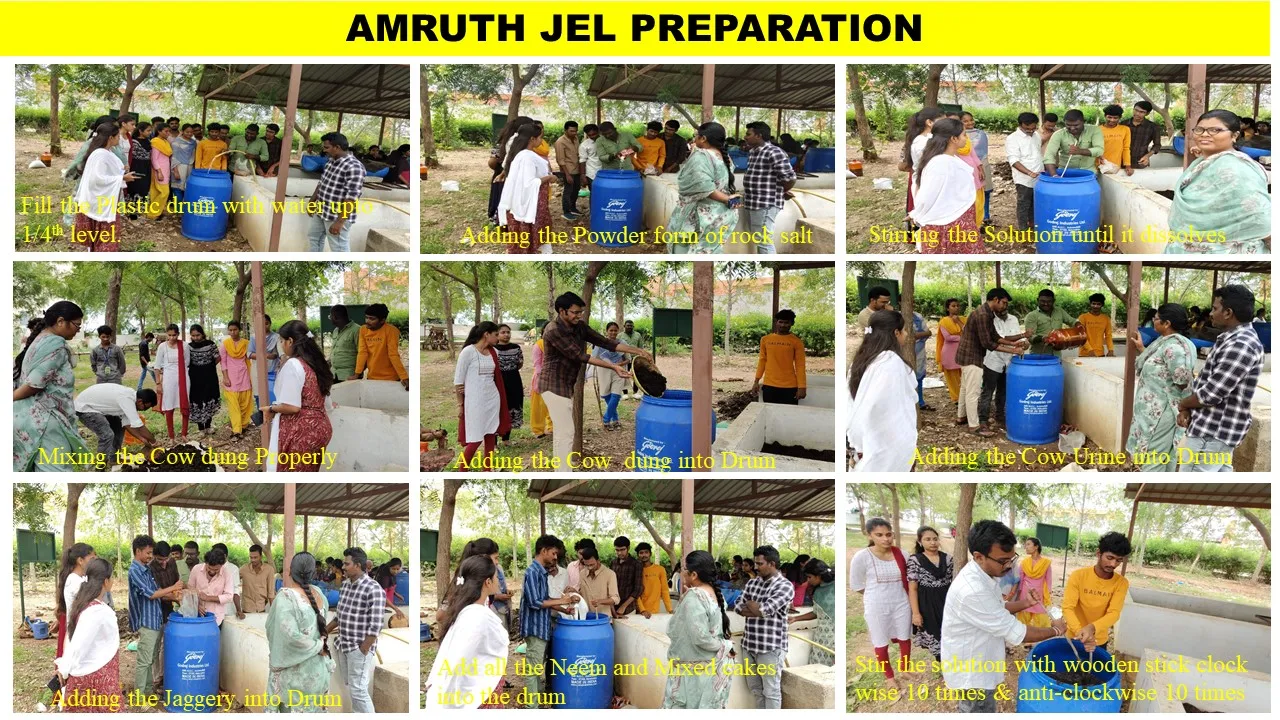
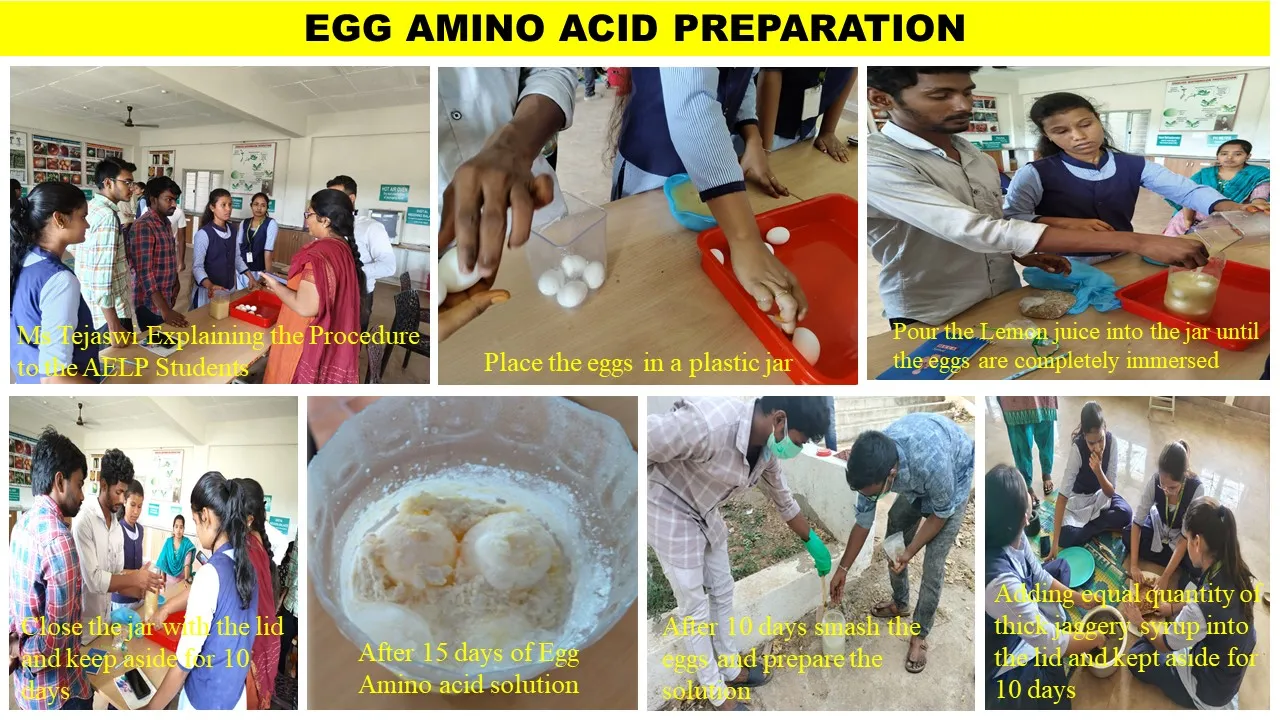
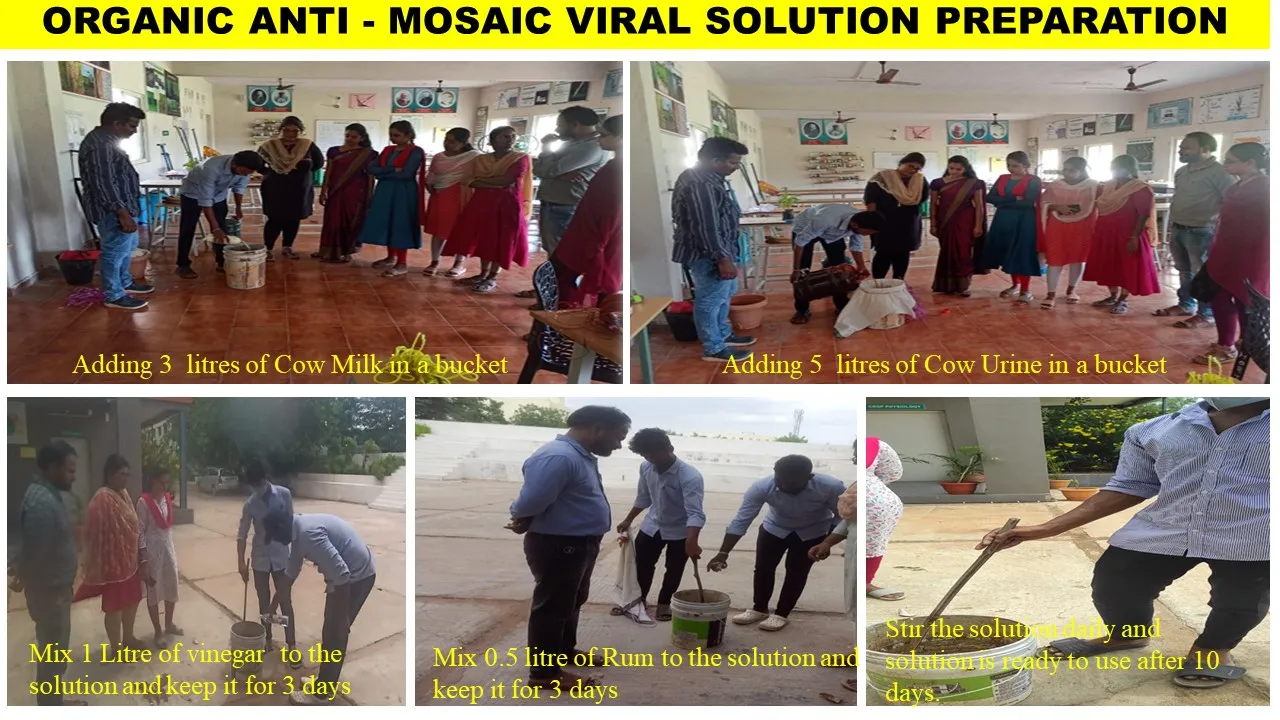
II. Organic ELP Unit
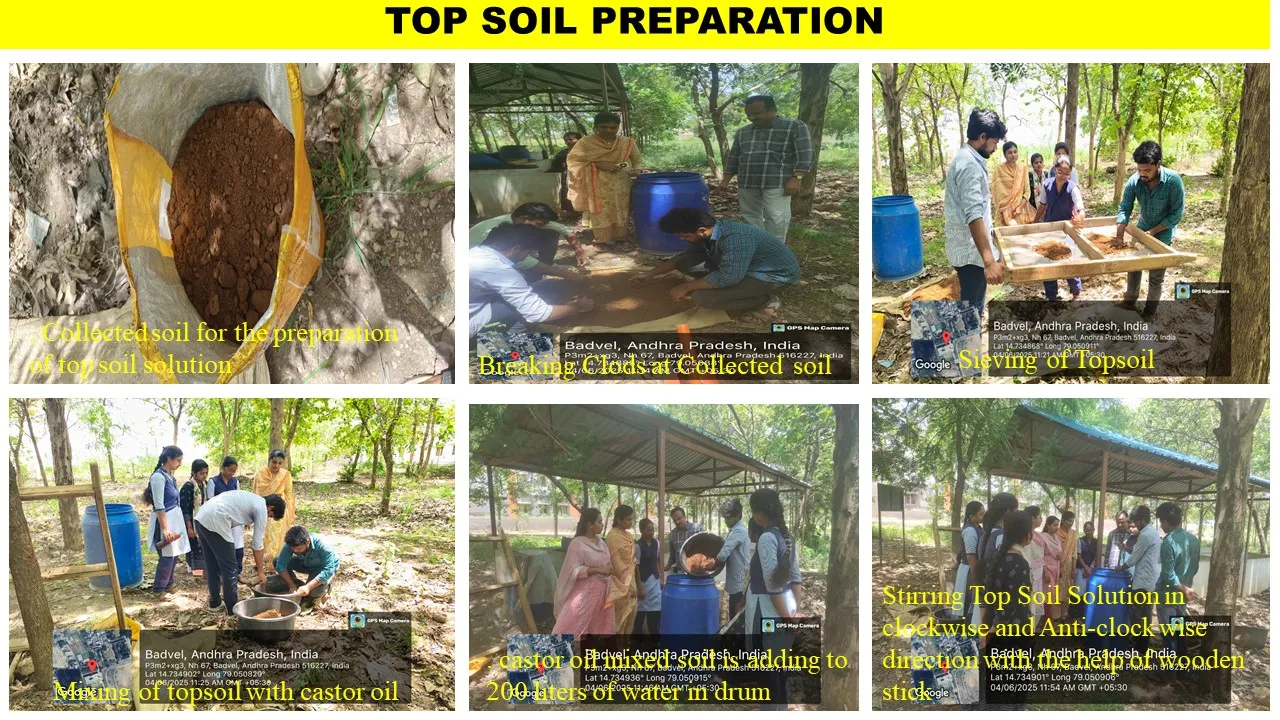
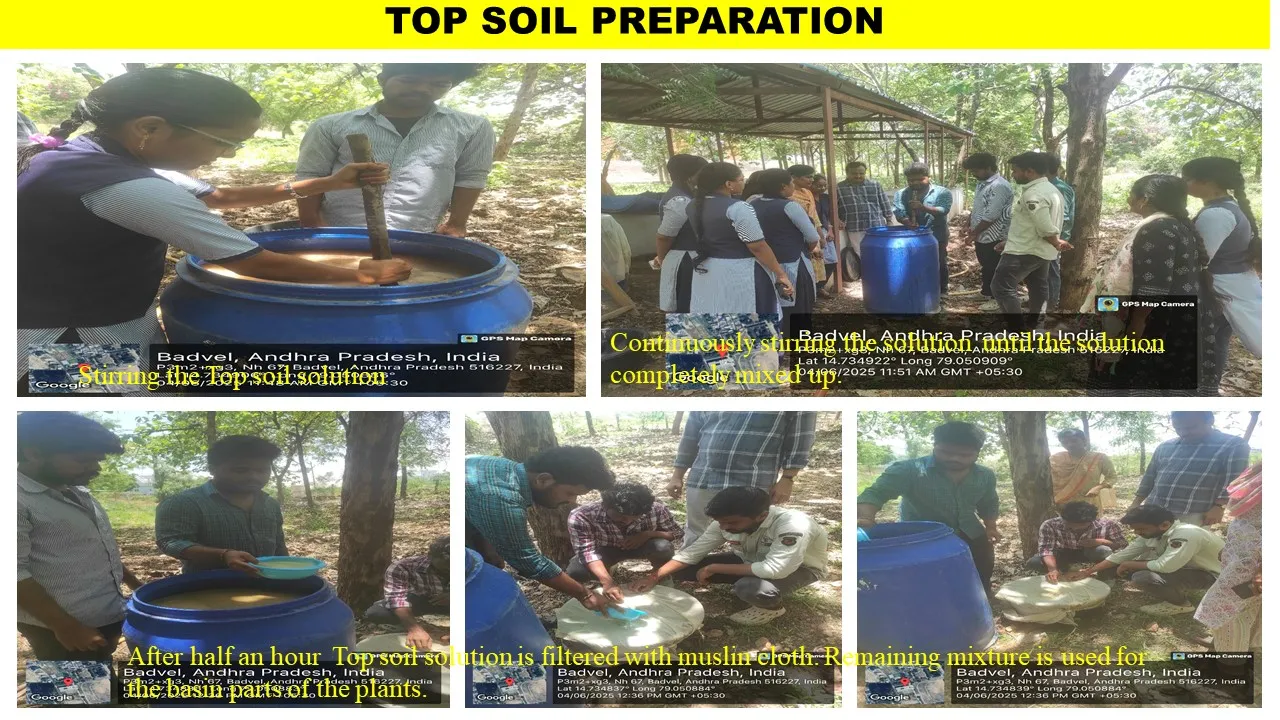
Started in May 2024 under the guidance of Associate Dean Dr G. Chandra Sekhar Rao, to promote organic and natural preparations for students. Natural and organic farming are sustainable agricultural practices focused on cultivating crops without synthetic chemicals, promoting ecological balance and enhancing soil fertility.
III. Snow White Mushroom Unit
Established in the first semester of 2019–20 with final-year students. A total of 230 kg of oyster mushrooms were produced and sold at ₹250 per kilogram. Returns were ₹57,500 with a profit of ₹7,187 and a benefit–cost ratio of 1.45.
- Hands-on training in spawn preparation, substrate sterilisation and harvesting.
- Oyster and milky mushrooms — economically viable varieties grown under controlled conditions.
- Skill development in mushroom production, post-harvest management and marketing strategy.
- Cultivation environment — maintaining suitable temperature, humidity and cleanliness for healthy growth.
- Income-oriented learning — cost-effective production aimed at generating income and encouraging rural self-employment.
IV. Retro ELP Unit
Experiential Learning first ran in 2024–25 for the 2022-admitted batch. Final-year students were divided into two batches; in the second batch, five students were allotted to the value addition unit in the Department of Horticulture. Twenty-five value-added products were produced at a cost of ₹11,610, generating a net profit of ₹10,435 — a benefit–cost ratio of 1.89.
| Product | Why |
|---|---|
| Muskmelon squash | Promotes hydration, relief from insomnia, immunity booster |
| Watermelon RTS | Hydrating drink |
| Millet laddu (ragi) | Rich in calcium, iron and essential minerals; helps build bone density |
| Gond katira juice | Relieves heat stroke, natural cooling effect, prevents dehydration |
| Bread pudding | Supports muscle repair and brain health |
| Curry leaf powder | Promotes hair growth, controls blood sugar, antibacterial and antifungal |
| Moringa powder | Reduces cholesterol, anti-tumour properties, helps keep diabetes in check |
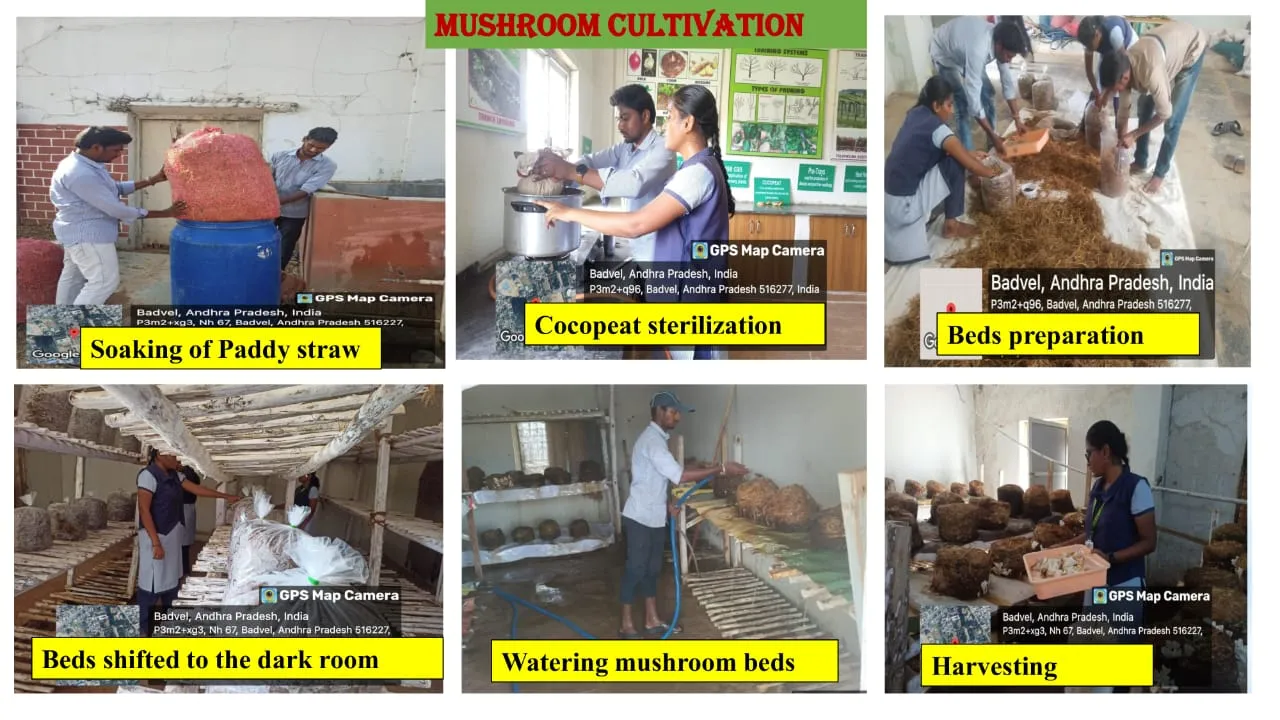
Snow White Mushroom ELP unit
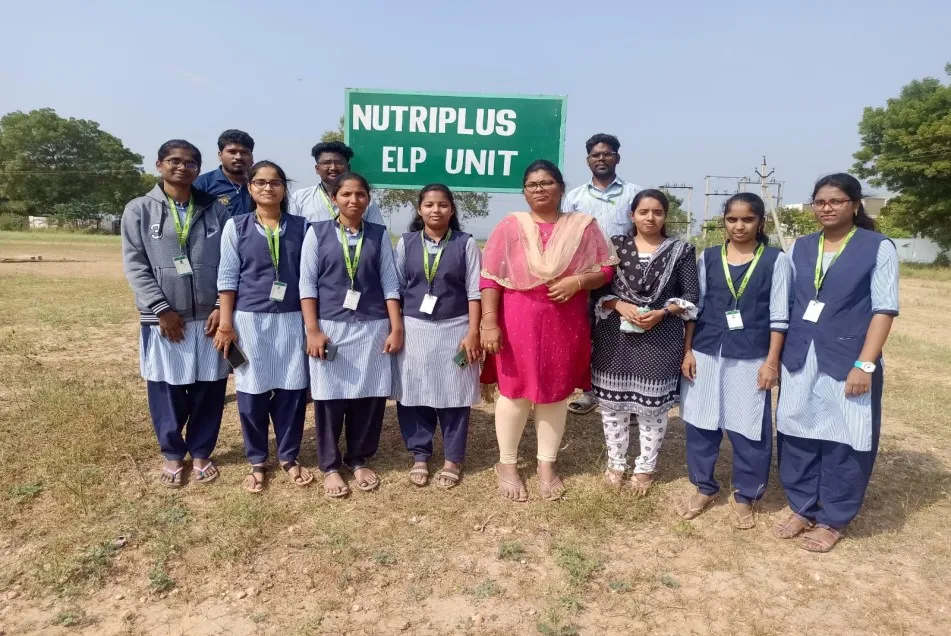
Elp Nutriplus 1
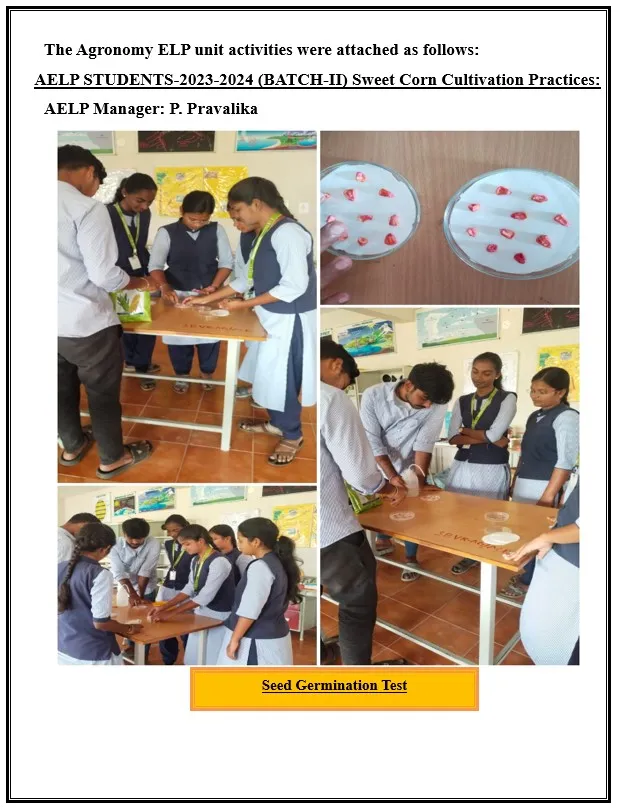
Elp Nutriplus 2
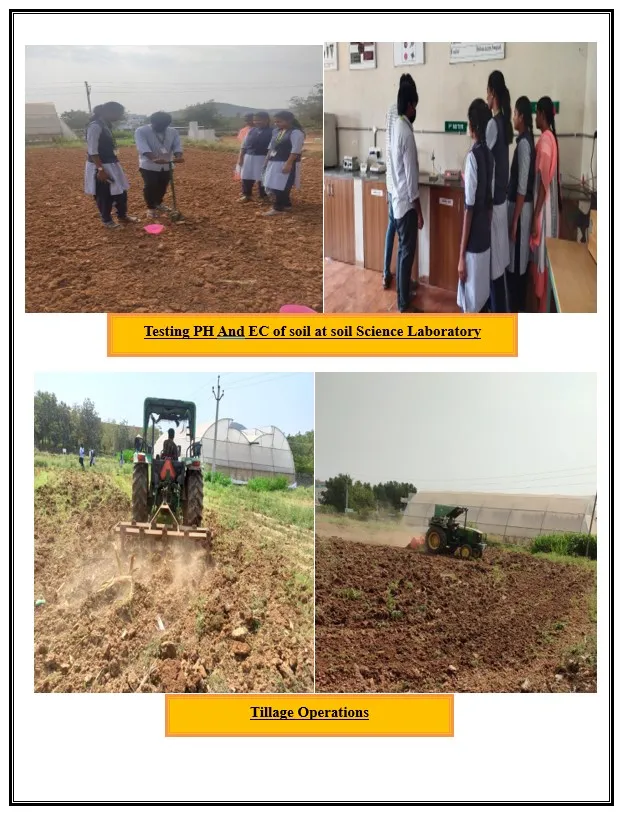
Elp Nutriplus 3
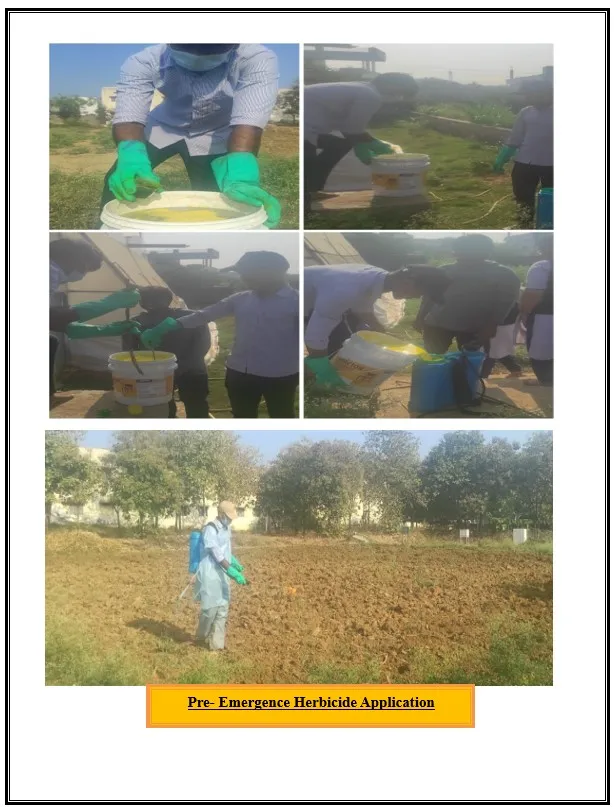
Elp Nutriplus 4
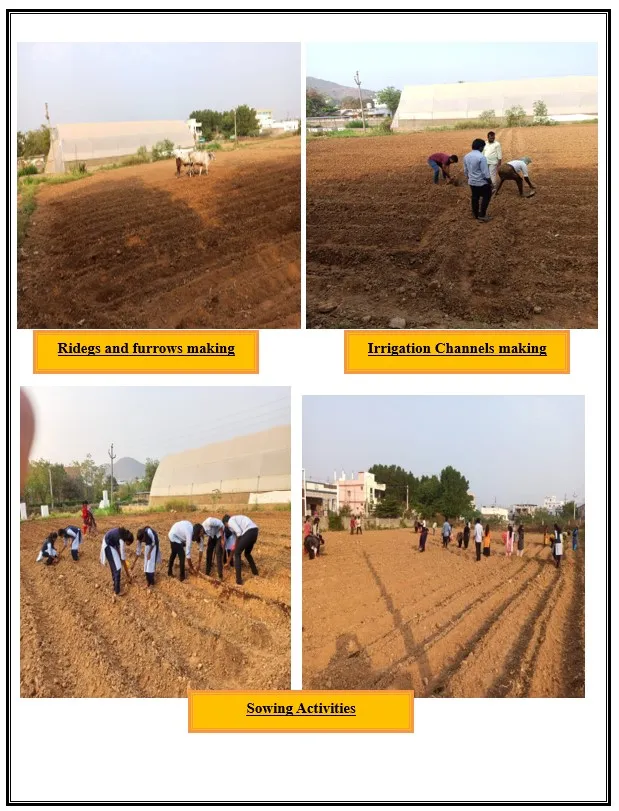
Elp Nutriplus 5
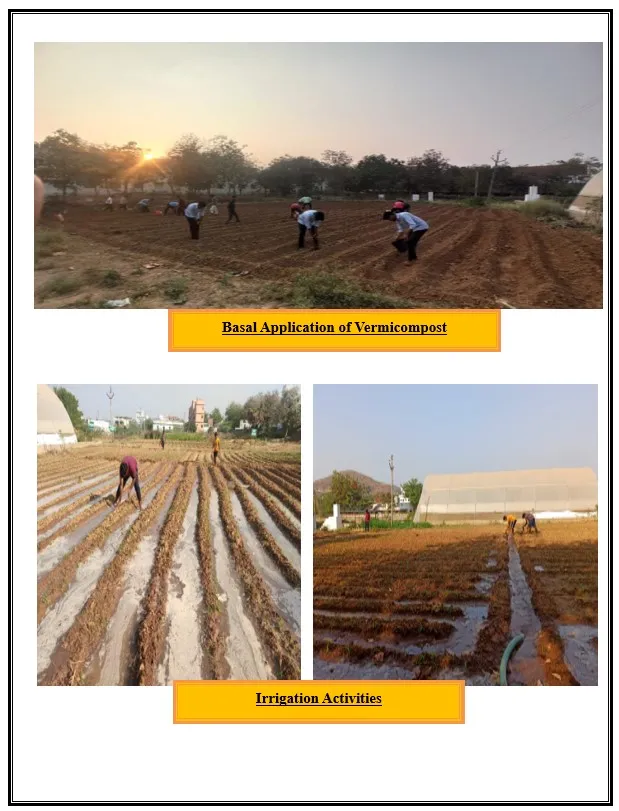
Elp Nutriplus 6
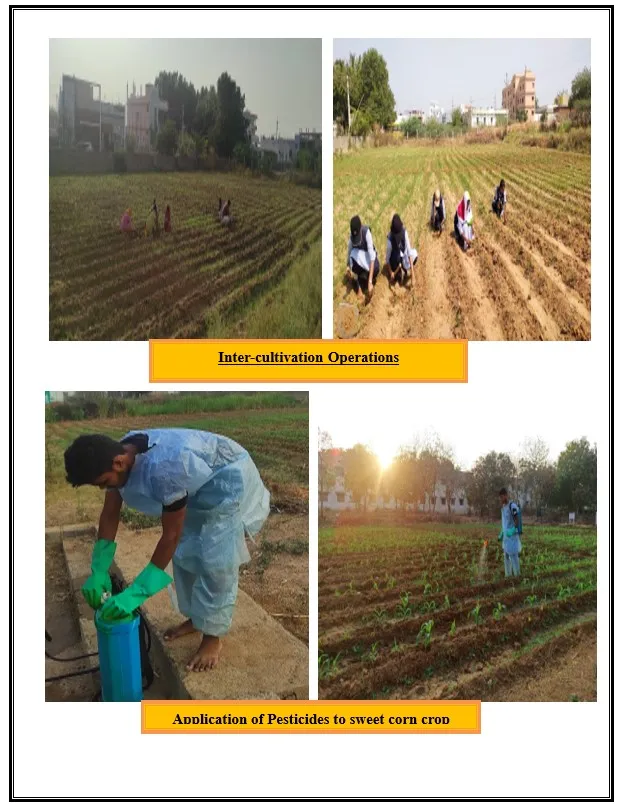
Elp Nutriplus 7
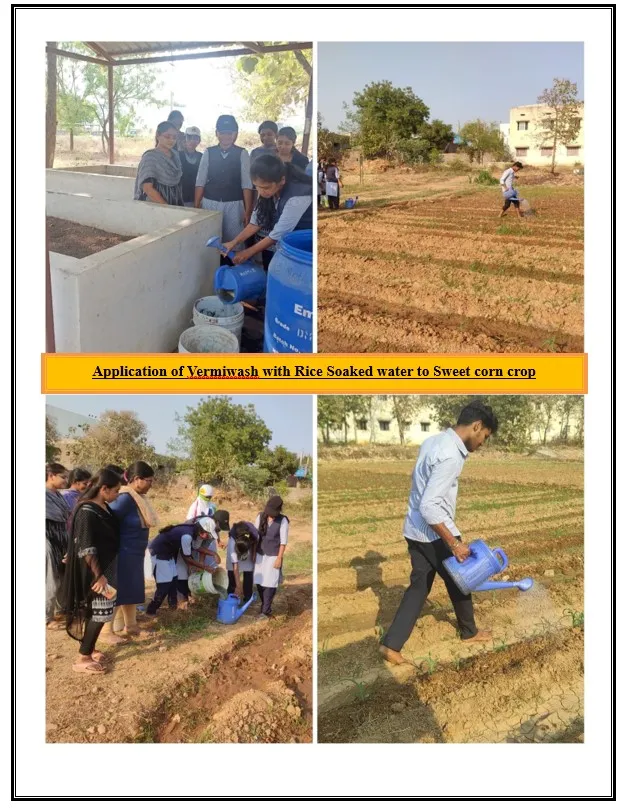
Elp Nutriplus 8
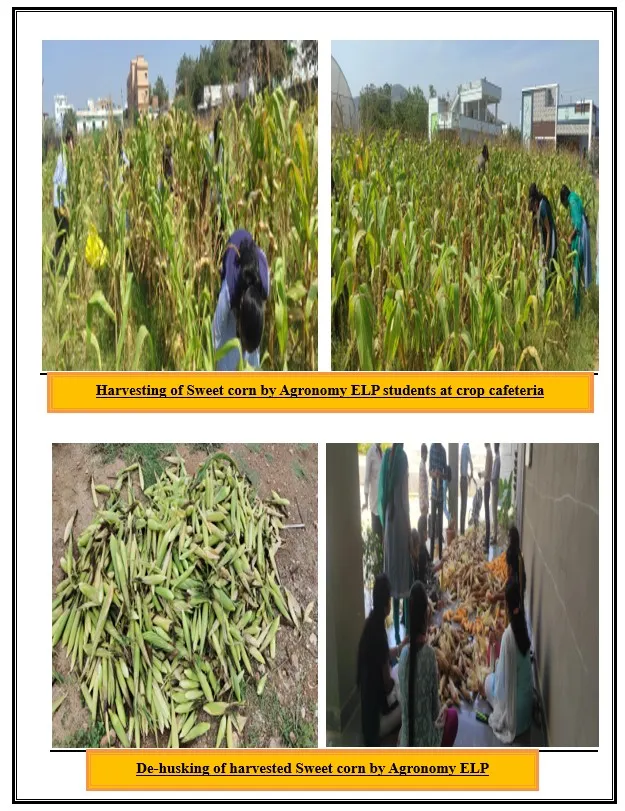
Elp Nutriplus 9
Elp Nutriplus 10
Elp Organic 1
Elp Organic 2
Elp Organic 3
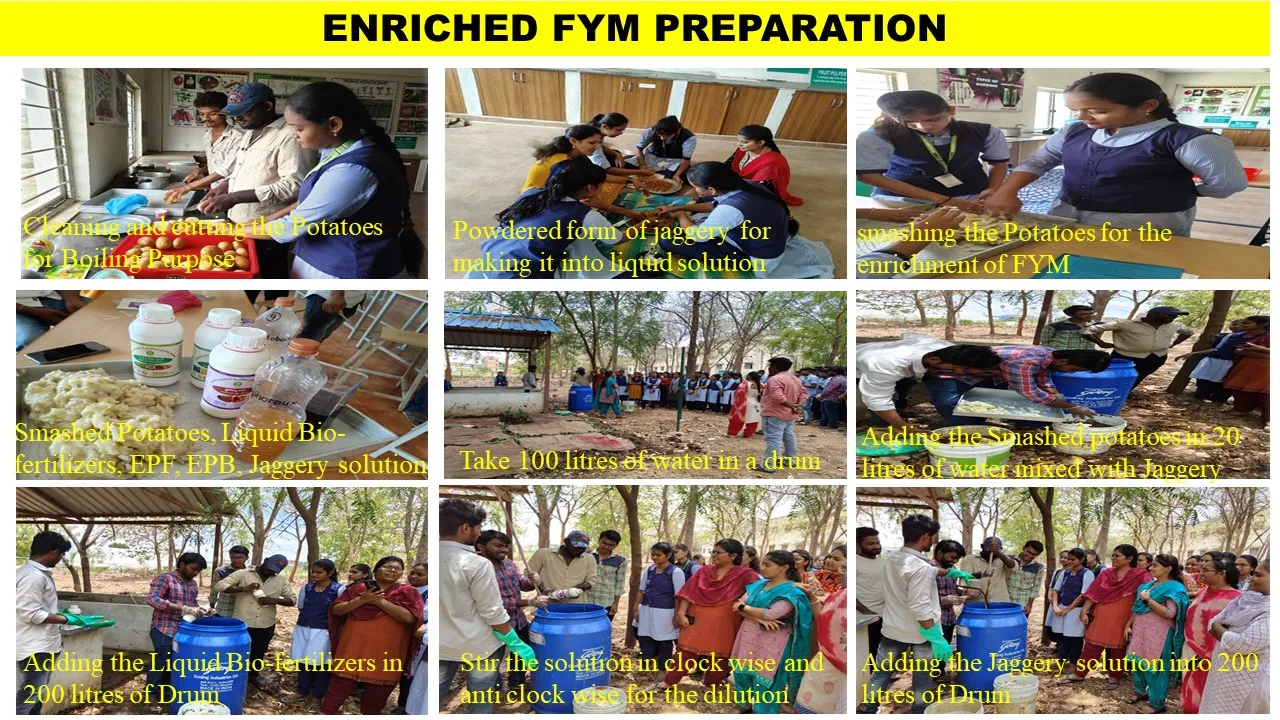
Elp Organic 4
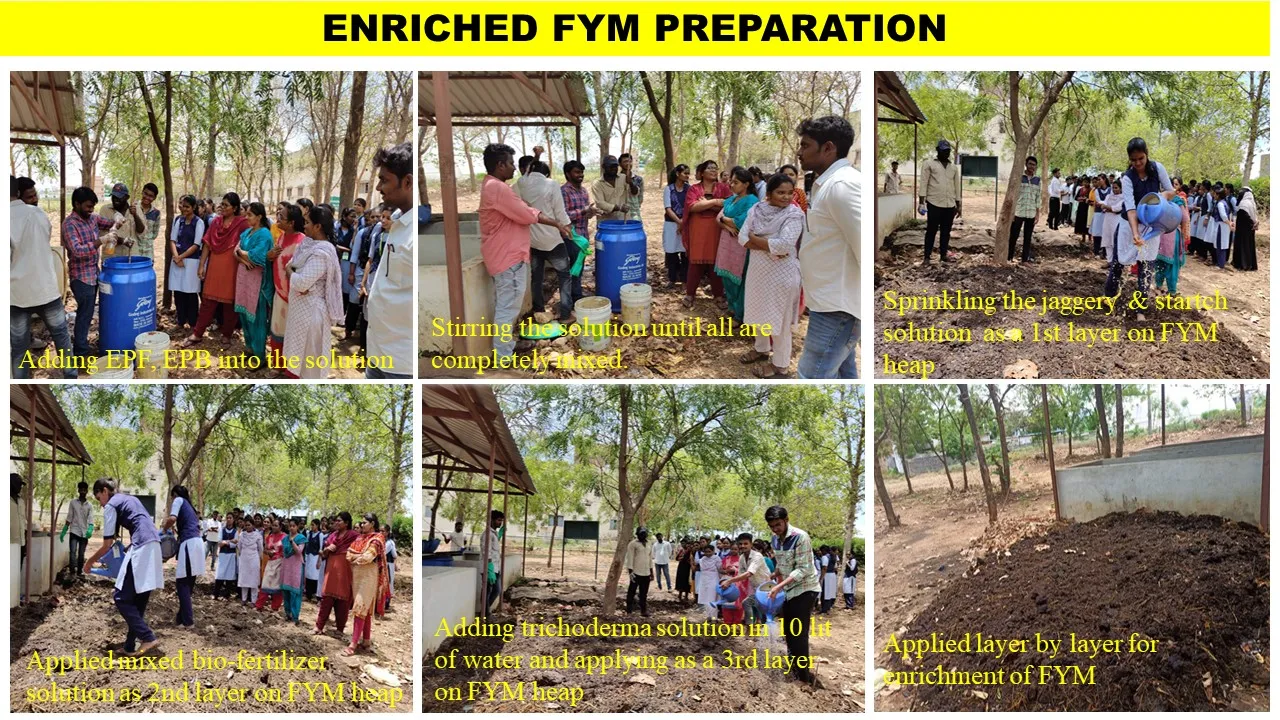
Elp Organic 5
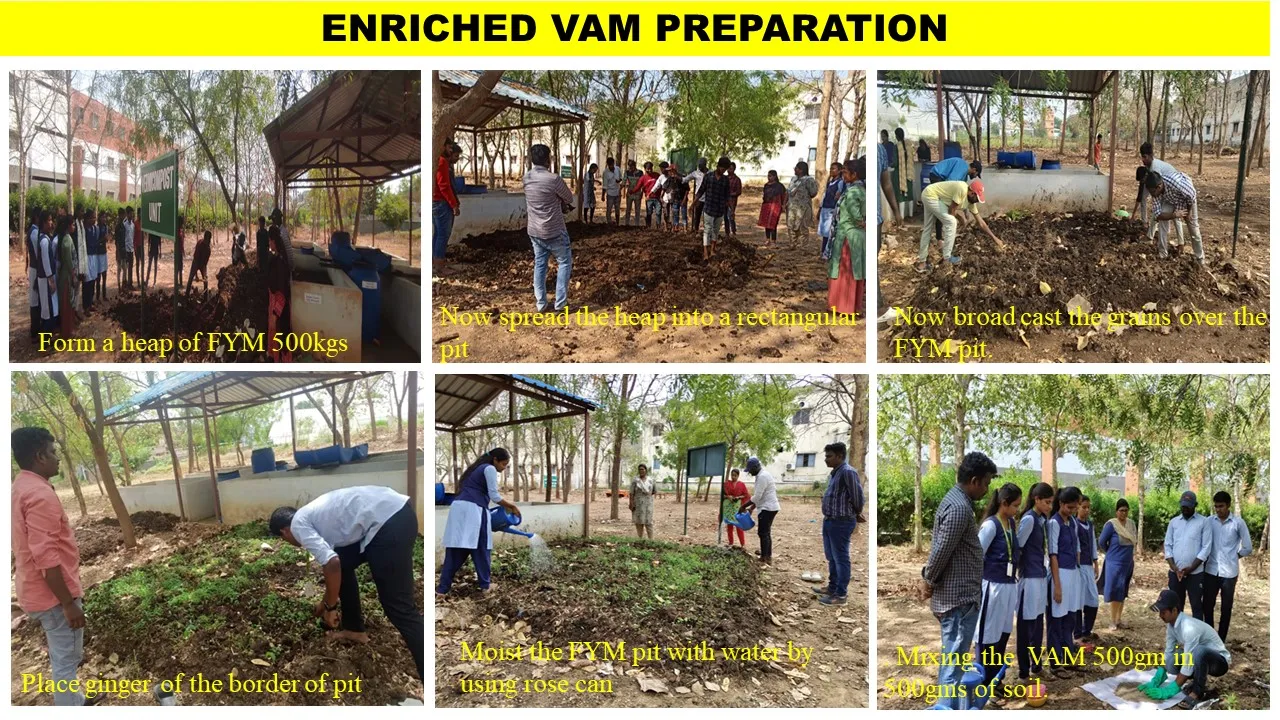
Elp Organic 6
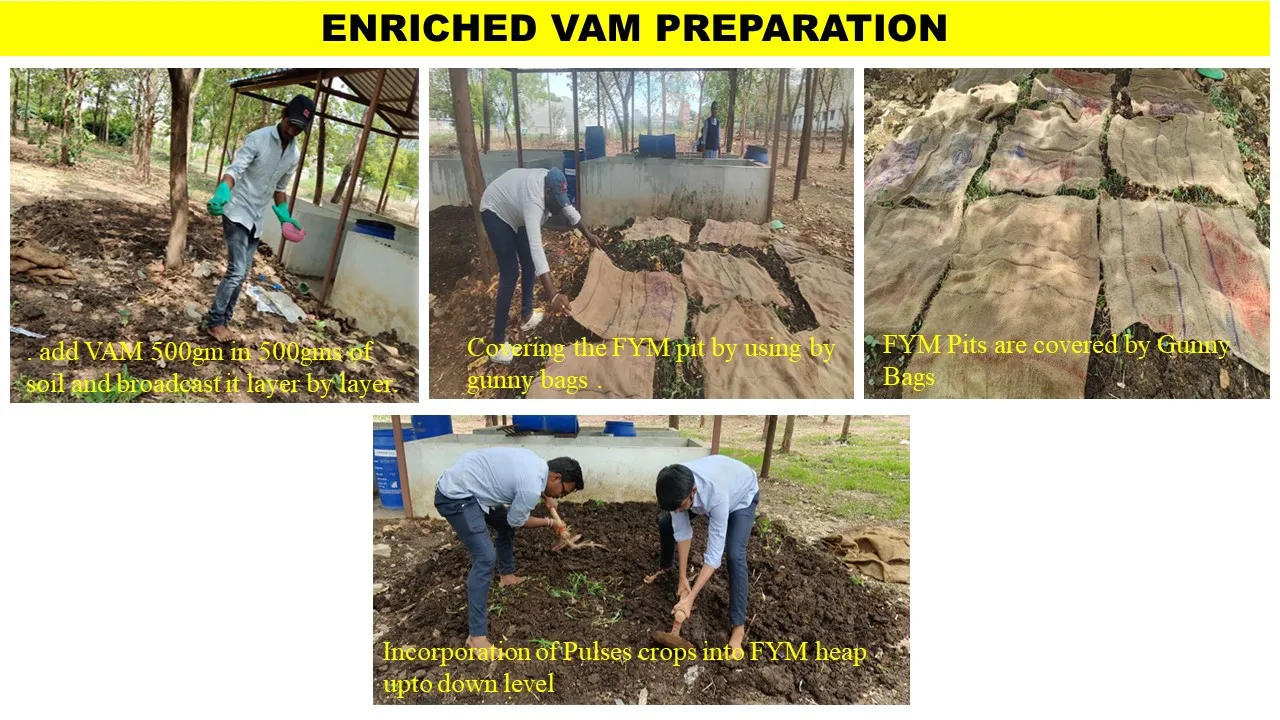
Elp Organic 7
Elp Organic 8
Elp Organic 9
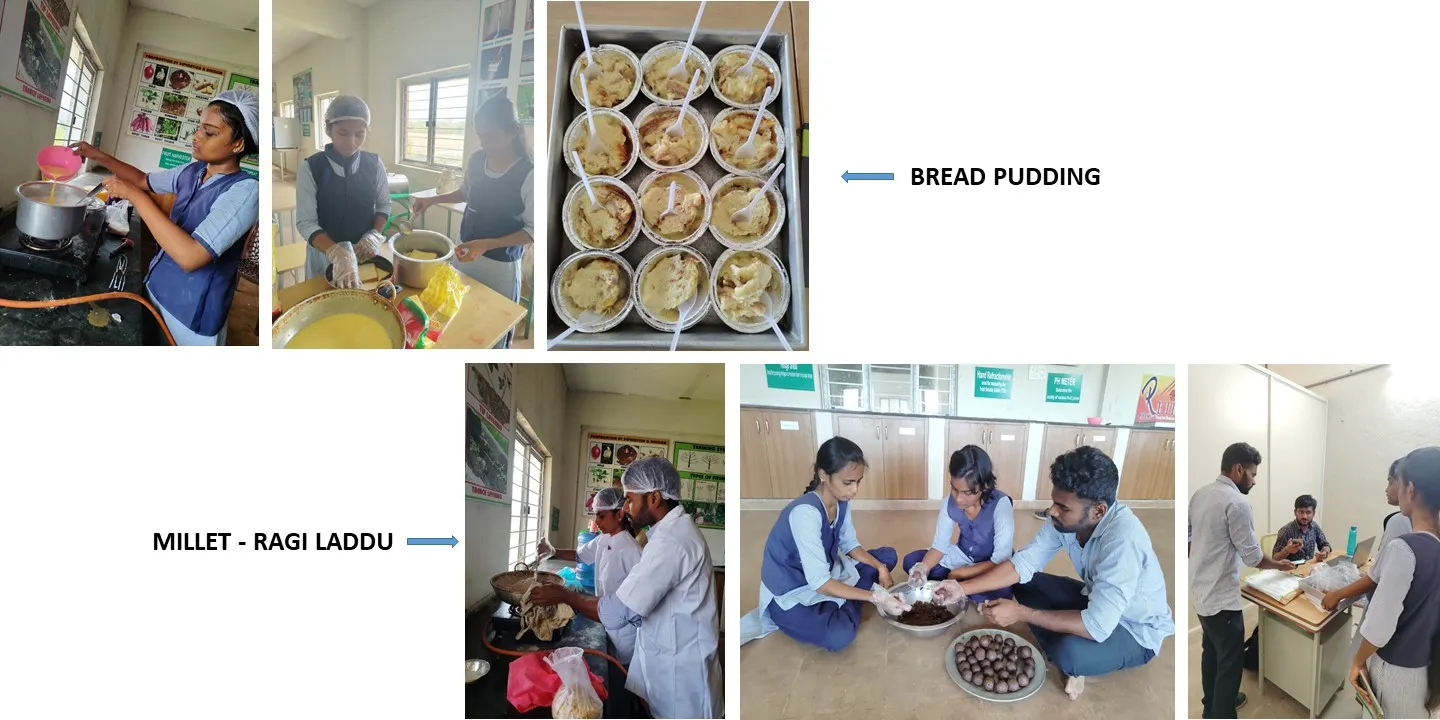
Value-added products from the ELP Retro unit
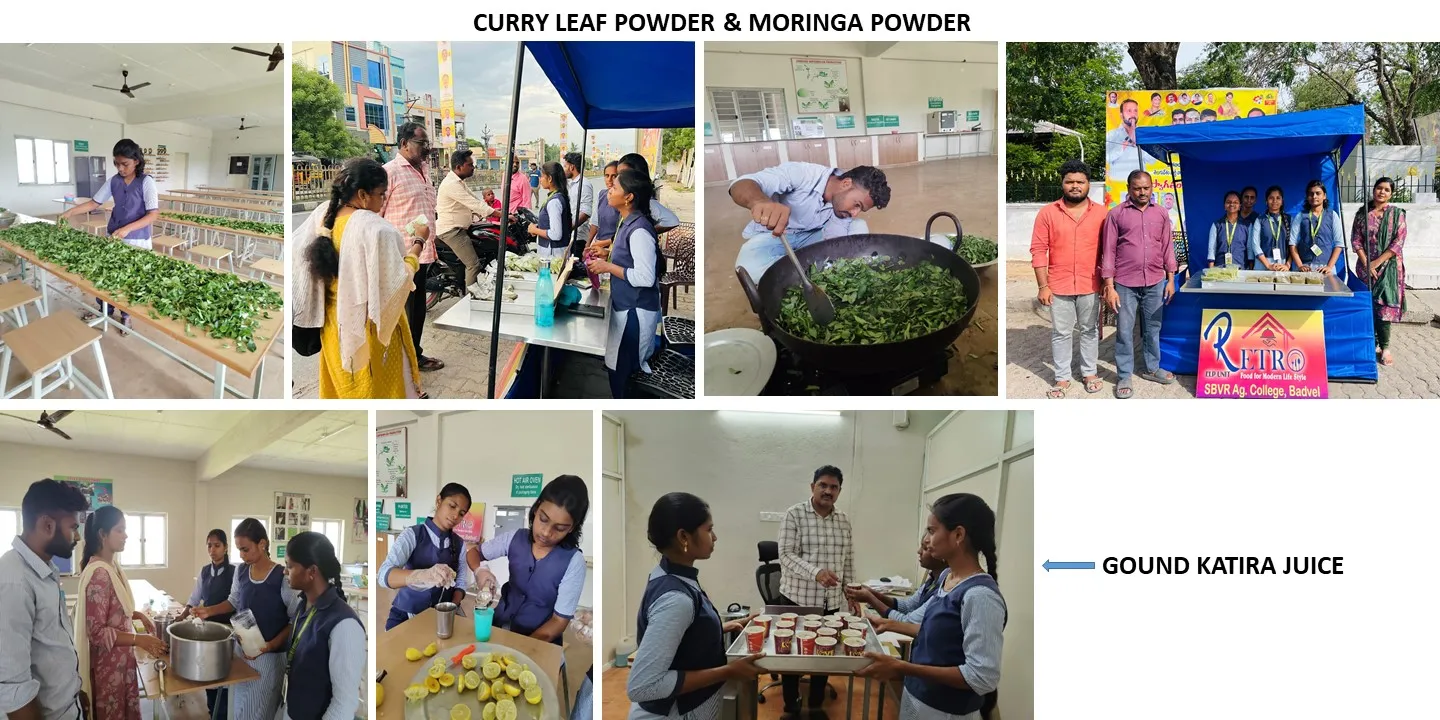
ELP Retro unit product display
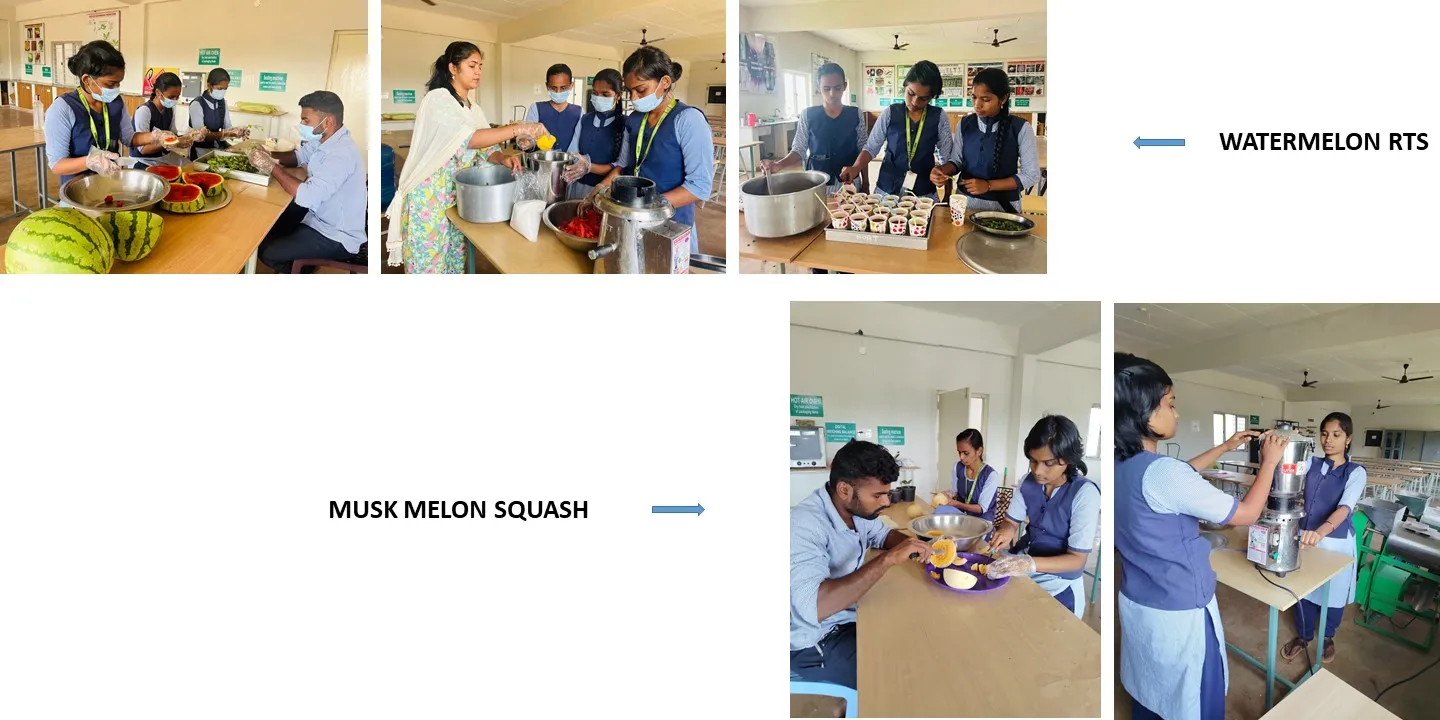
Watermelon RTS, an ELP Retro unit product
In the villages
RAWEP
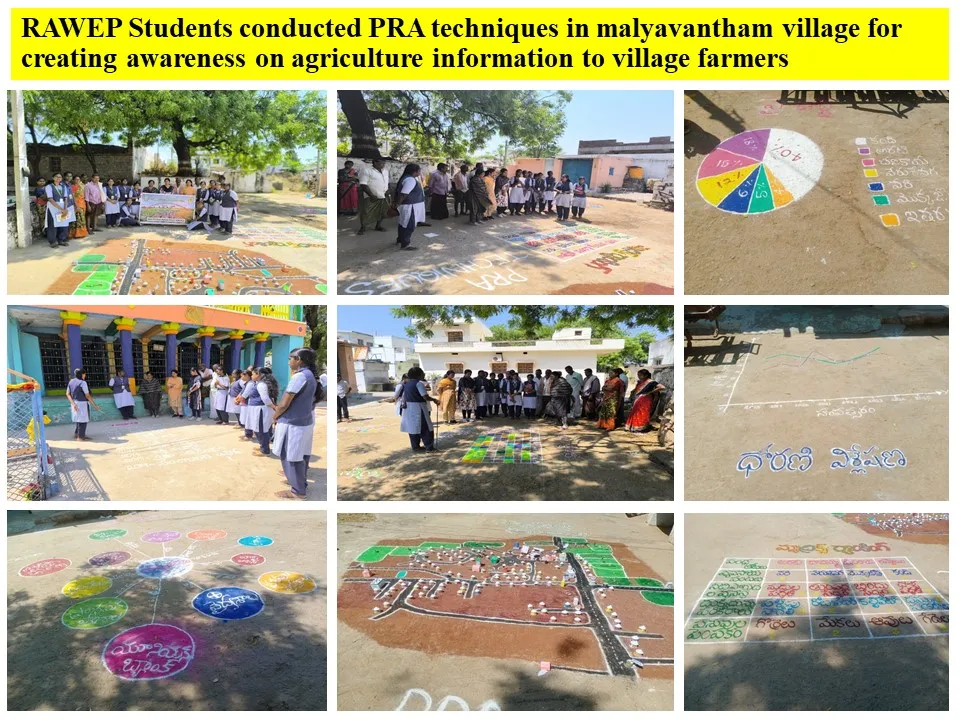
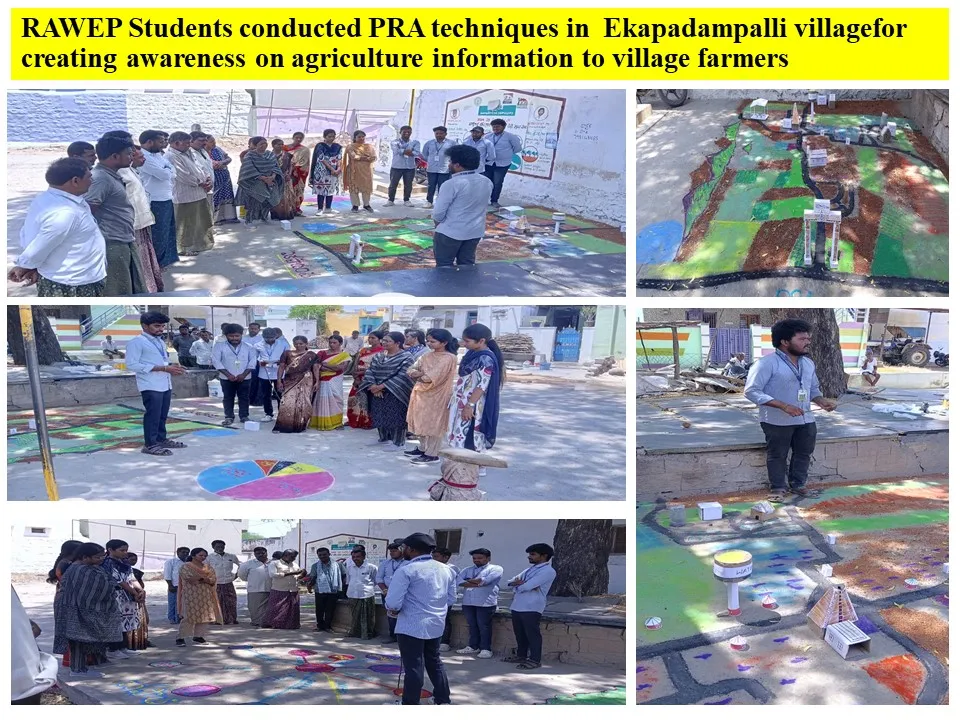
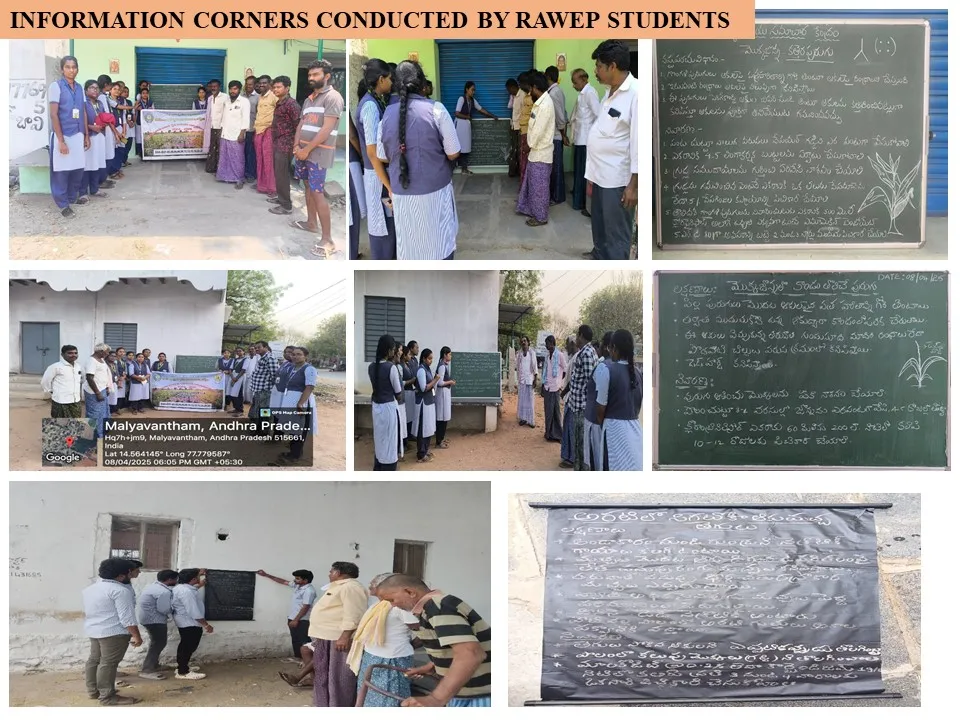
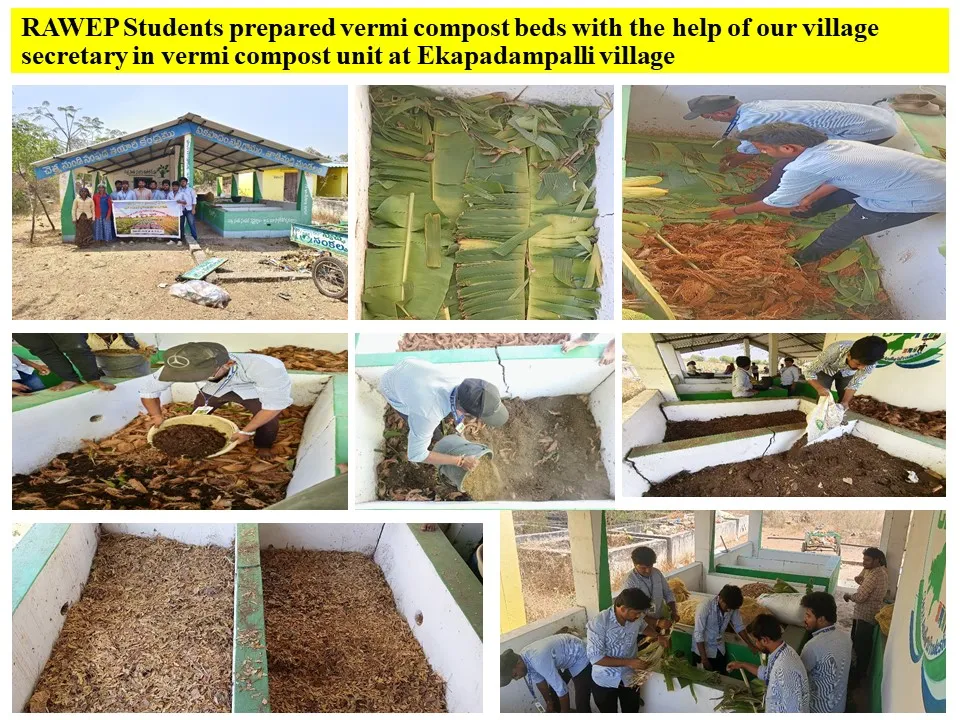
SBVR Agricultural College RAWEP students are allotted to Krishi Vigyan Kendra (KVK), Reddipalli, Anantapur district.
The Rural Agricultural Work Experience programme is a crucial component of agricultural education in India, designed to provide practical, hands-on training to undergraduate students. It immerses students in the realities of rural agricultural settings, allowing them to interact with farmers, understand their challenges, and learn about agricultural technologies in real-world situations. The programme bridges the gap between theoretical knowledge and practical application, fostering well-rounded graduates equipped to address the needs of the farming community.
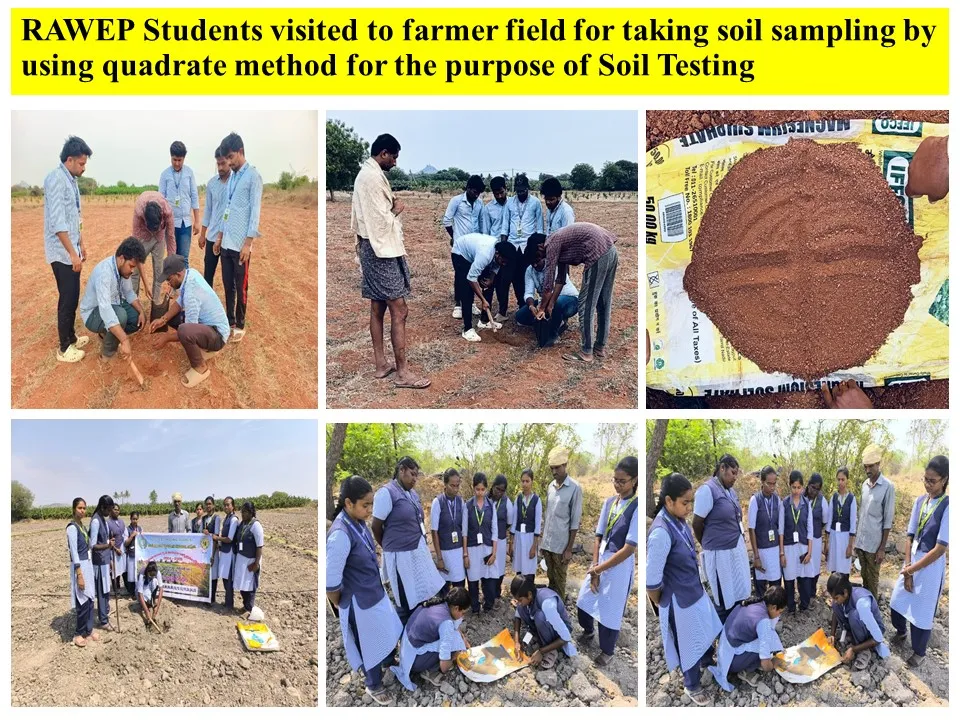
Rawep 1
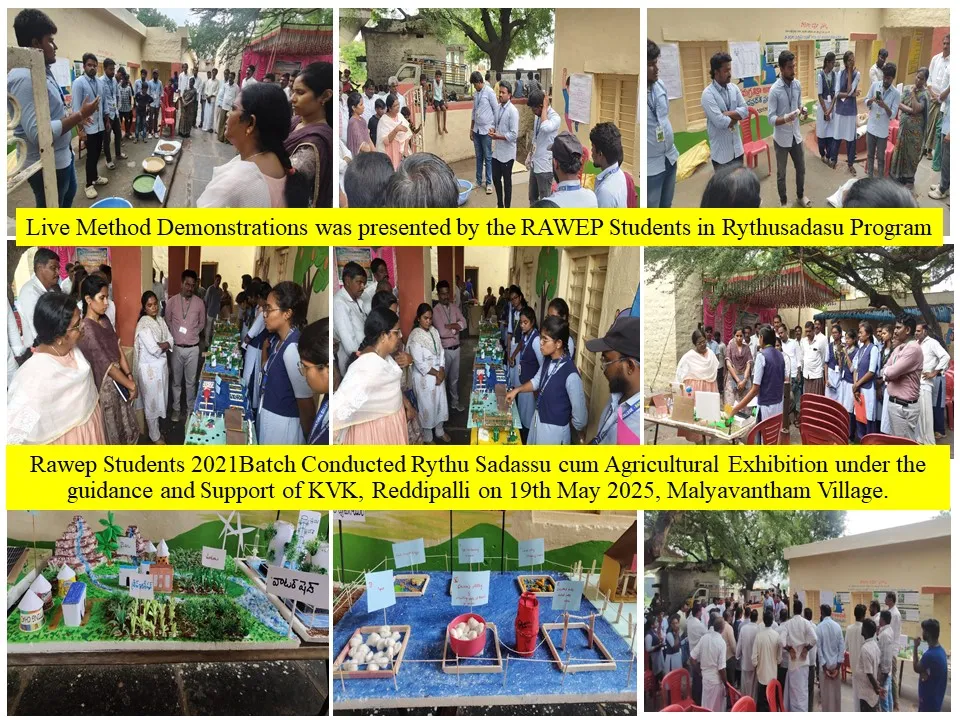
Rawep 2
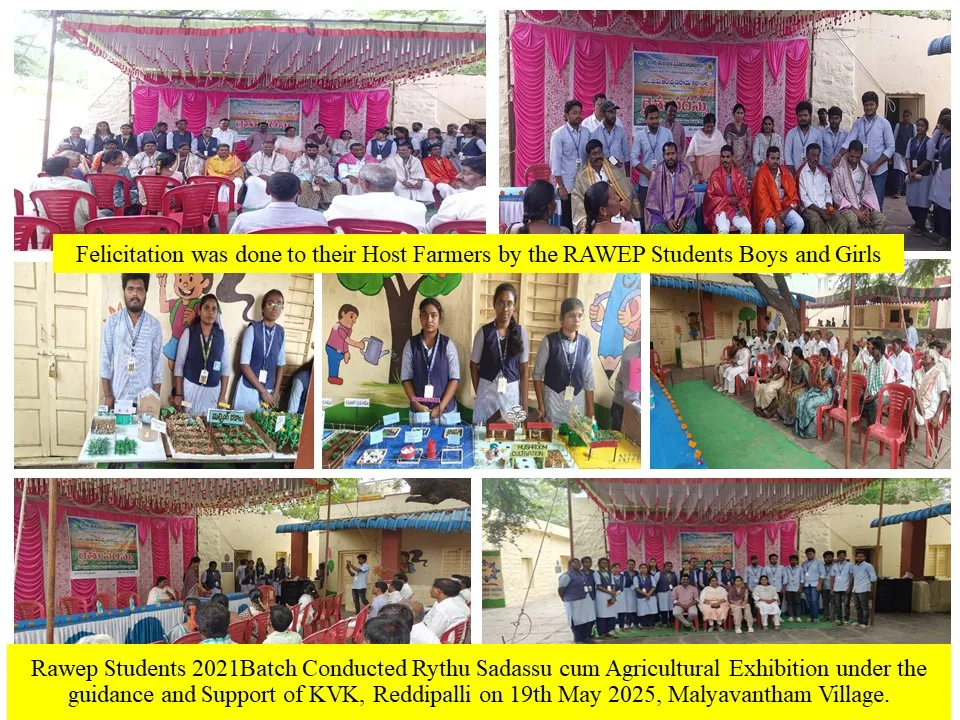
Rawep 3
Rawep 4
Rawep 5
Rawep 6
Rawep 7
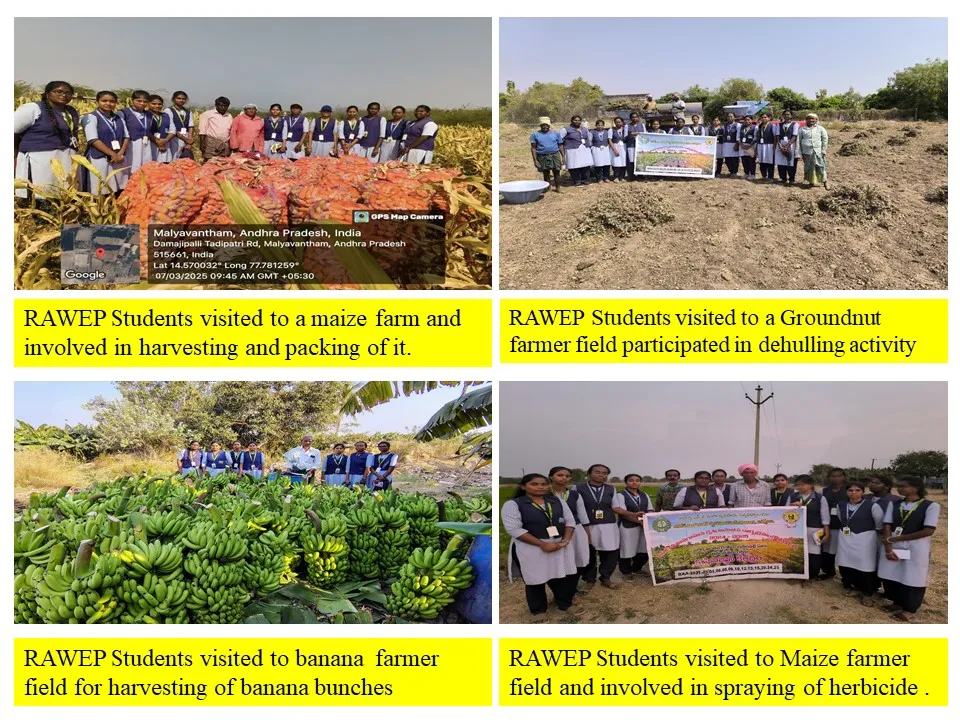
Rawep 8
Service
National Service Scheme
The National Service Scheme is a central sector scheme of the Government of India, Ministry of Youth Affairs & Sports. On 24 September 1969 the Union Education Minister Dr V. K. R. V. Rao launched the NSS programme in 37 universities. The cardinal principle of the programme is that it is organised by the students themselves; students and teachers, through combined participation in social service, gain a sense of involvement in the tasks of national development.
SBVR Agricultural College has two NSS units with 100 volunteers each, financially supported by Yogi Vemana University, Kadapa since the academic year 2021–22. Unit 1 is led by Programme Officer Mr D. Prasanna Kumar and Unit 2 by Dr Pandit Praveen Kumar. Activities are divided into regular activities and RAWEP special camp activities.
Objectives
- Understand the community in which they work
- Understand themselves in relation to their community
- Identify the needs and problems of the community and involve them in problem-solving
- Develop among themselves a sense of social and civic responsibility
- Utilise their knowledge in finding practical solutions to individual and community problems
- Develop competence required for group living and sharing of responsibilities
- Gain skills in mobilising community participation
- Acquire leadership qualities and democratic attitudes
- Develop capacity to meet emergencies and natural disasters, and practise national integration and social harmony
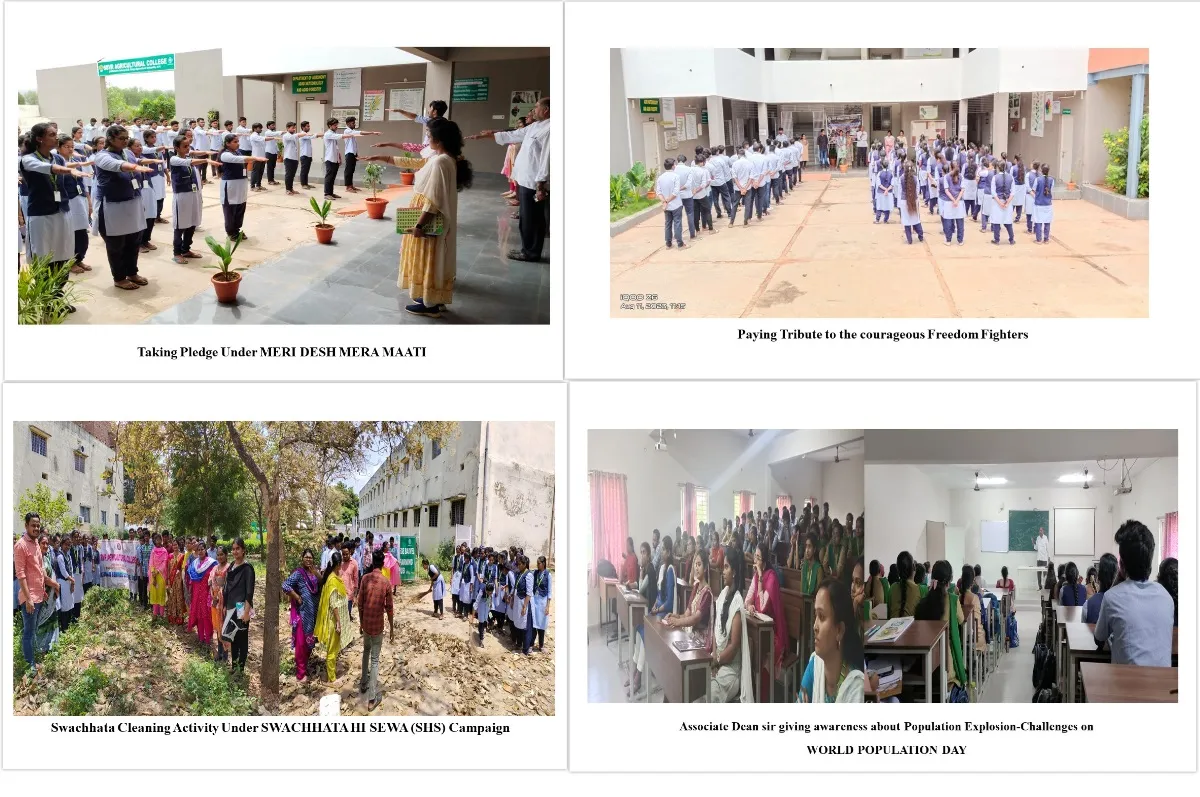
NSS activities
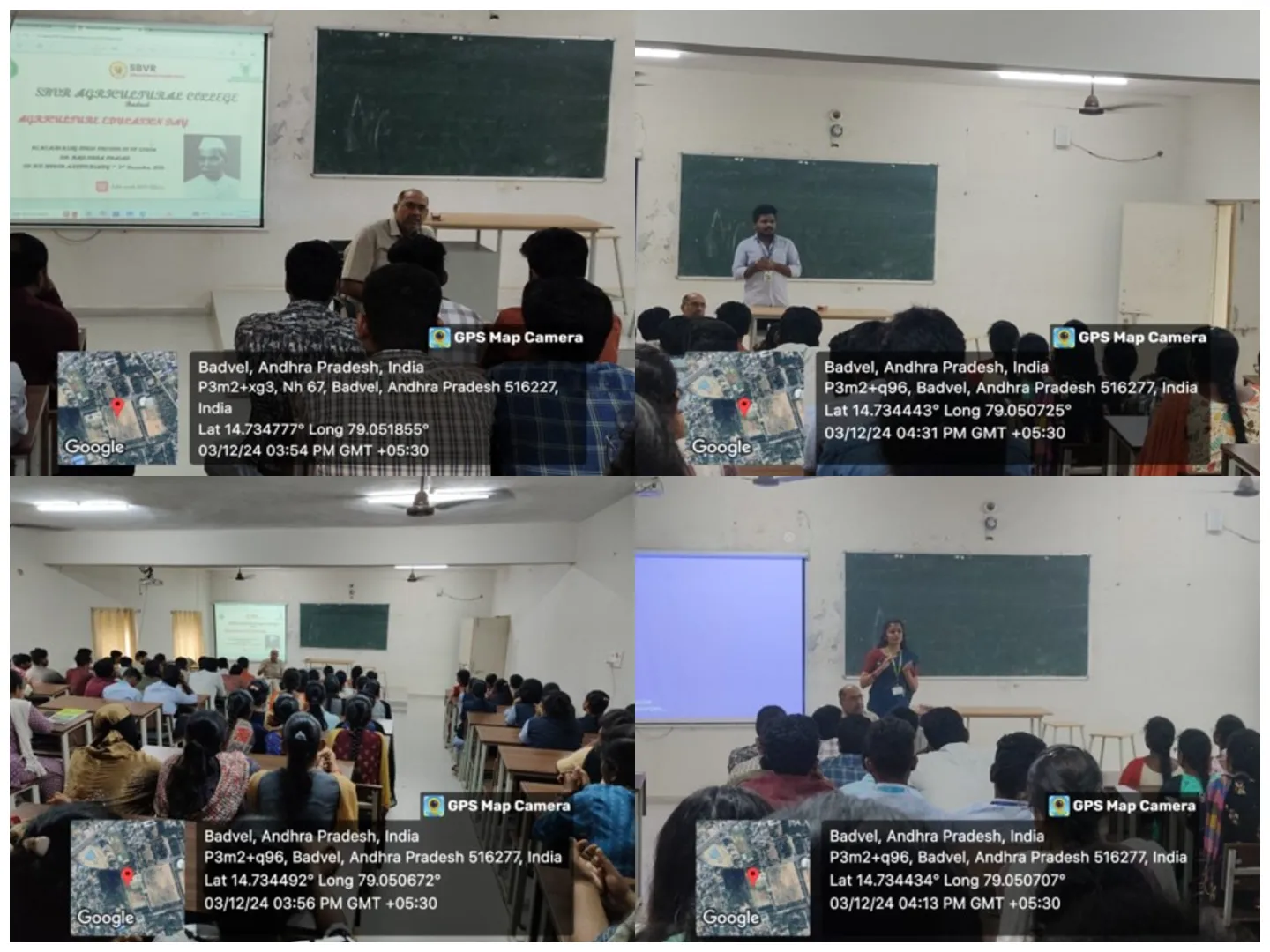
Agriculture Education Day on the birth anniversary of Dr Rajendra Prasad — the Associate Dean spoke on the role students play in advancing agriculture
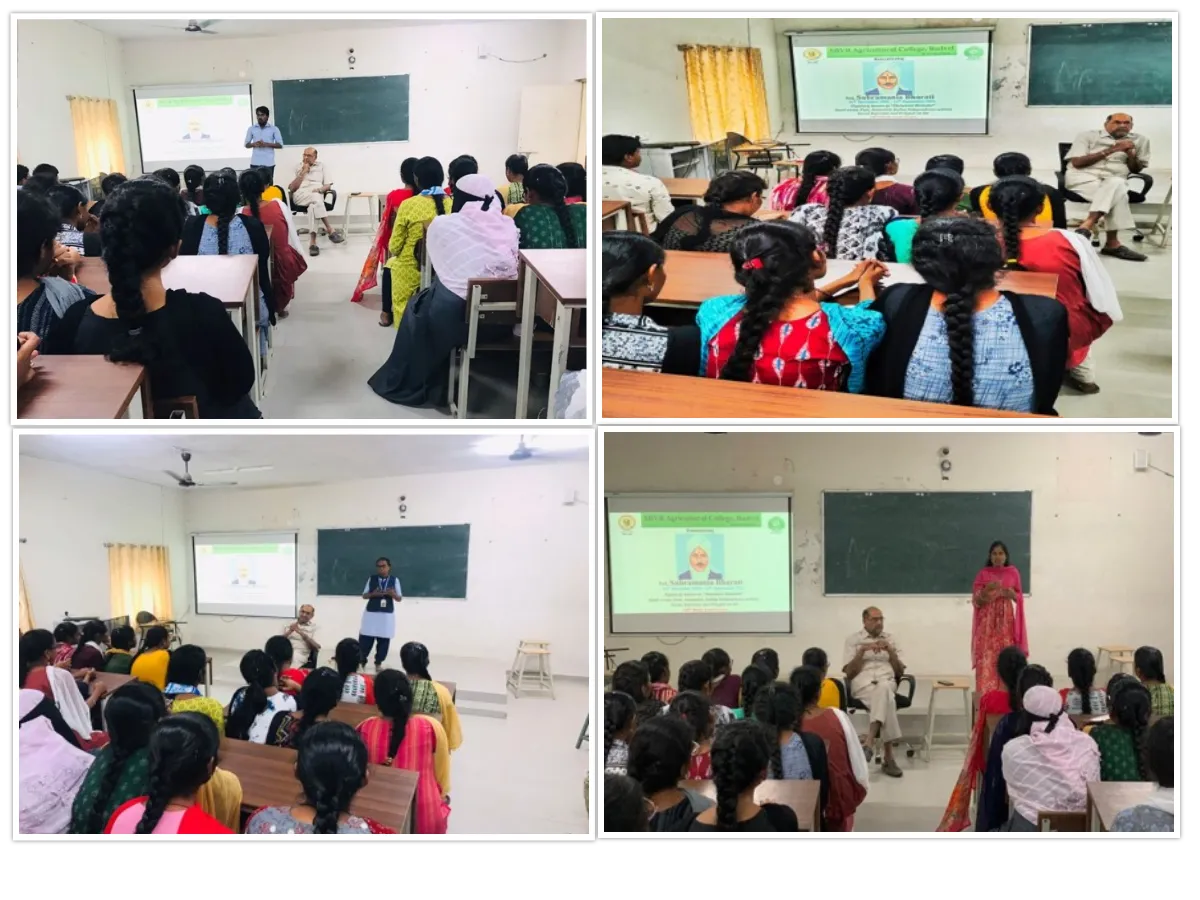
138th birth anniversary of C. Subramaniam garu
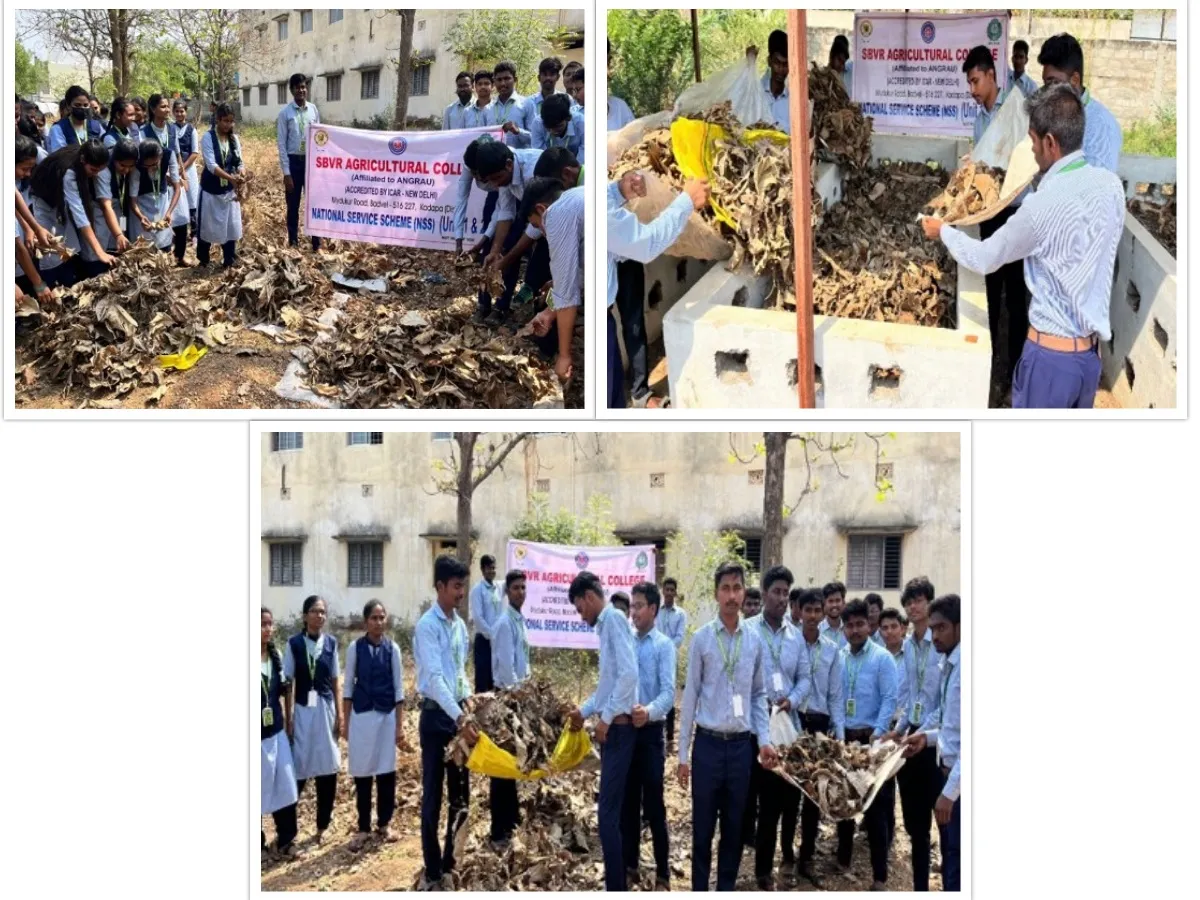
Cleaning and Green programme
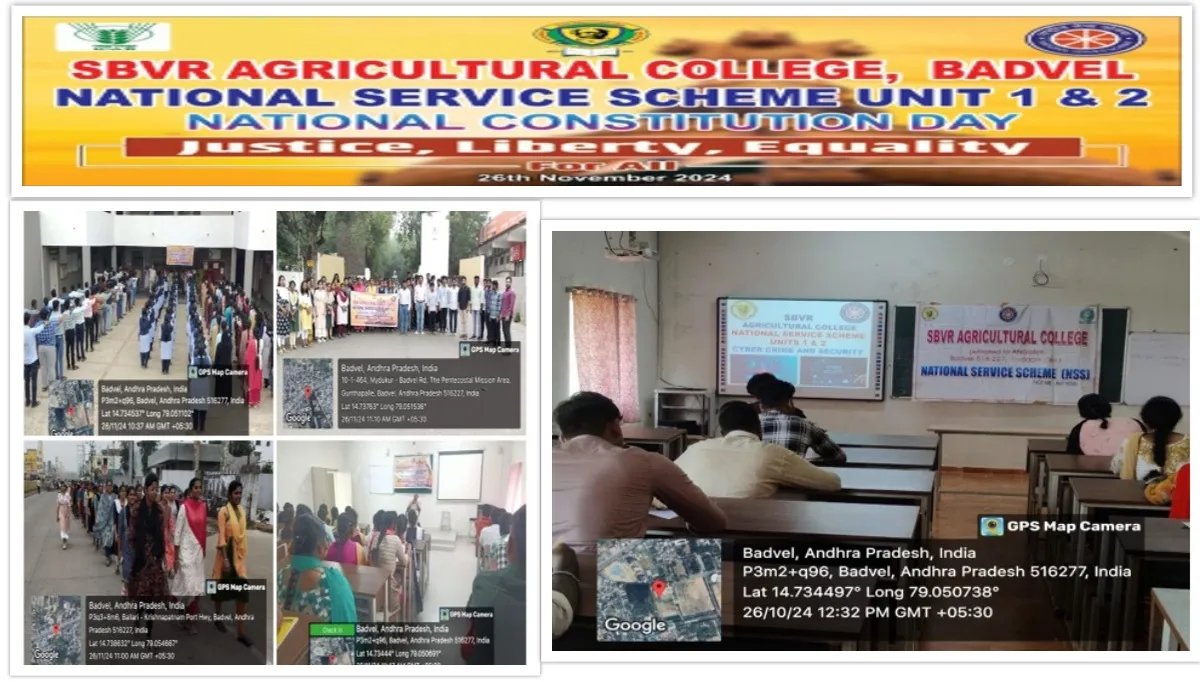
National Constitution Day: justice, liberty and equality
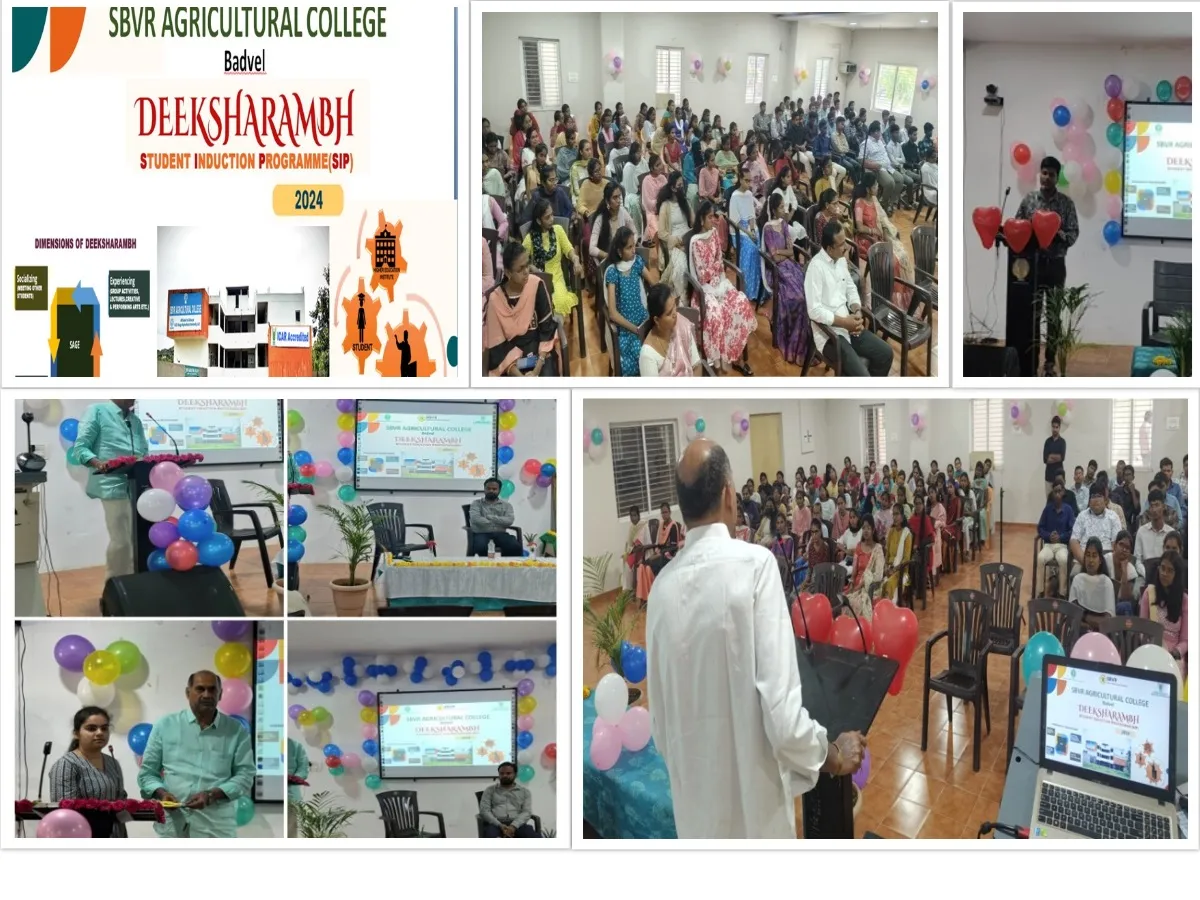
DEEKSHARAMBH student induction programme for the 2024 batch, following the ICAR 6th Dean’s Committee
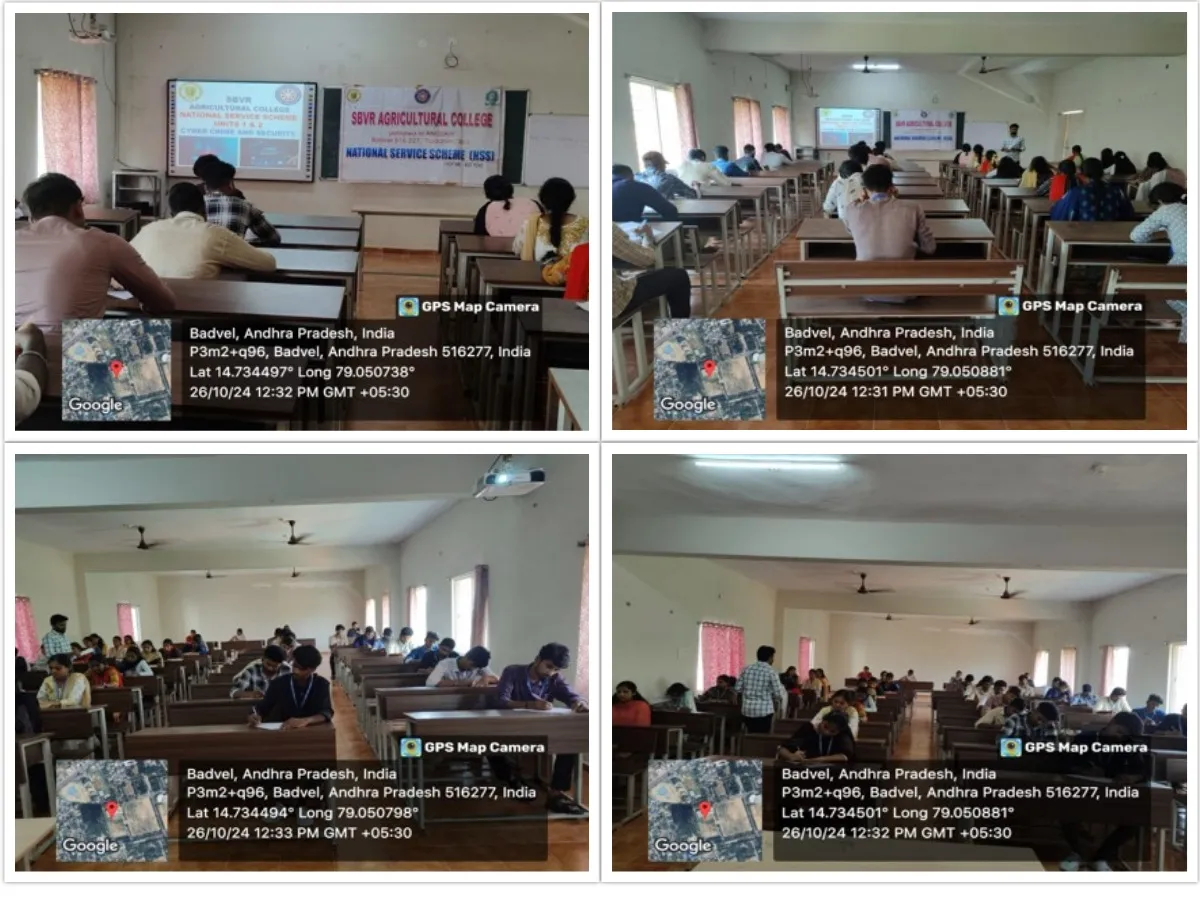
Essay writing competition on cyber crime and security
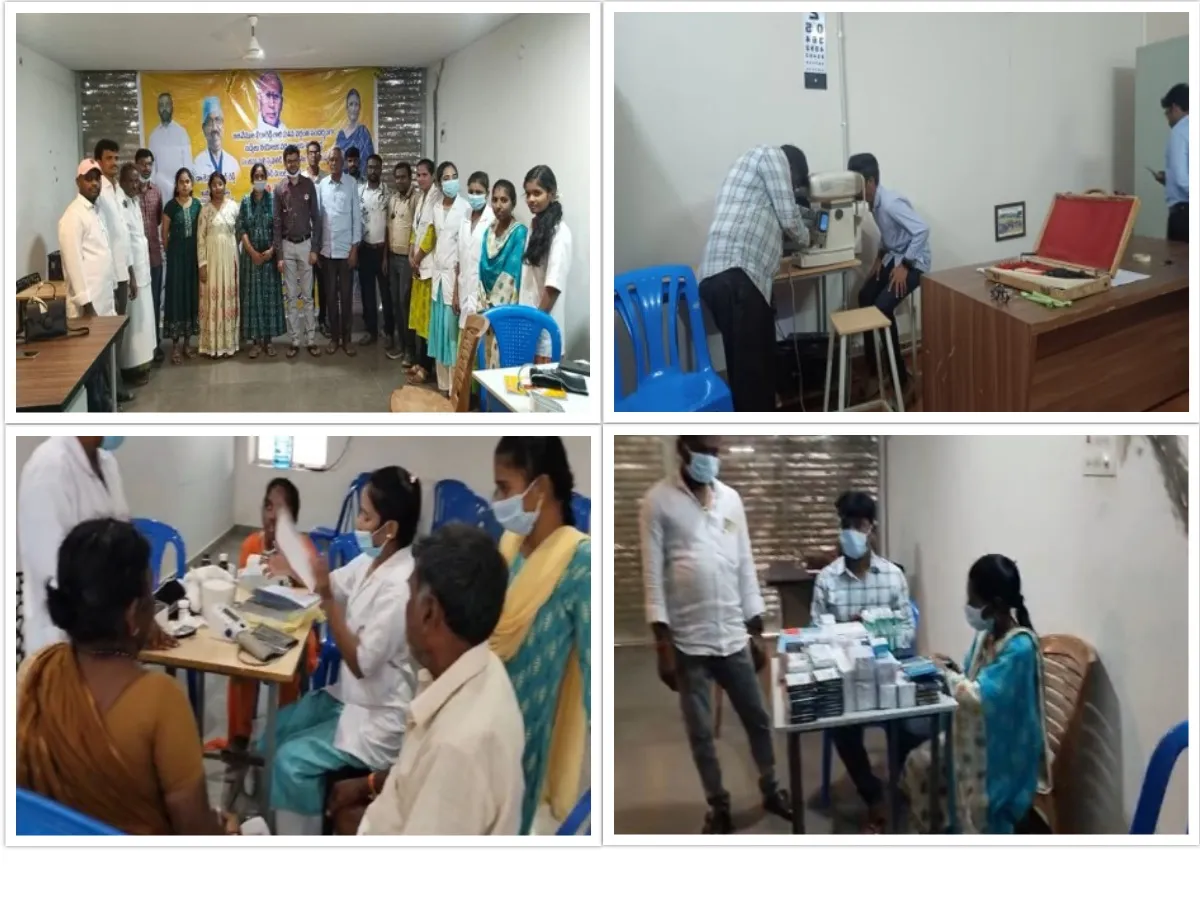
Eye camp for students
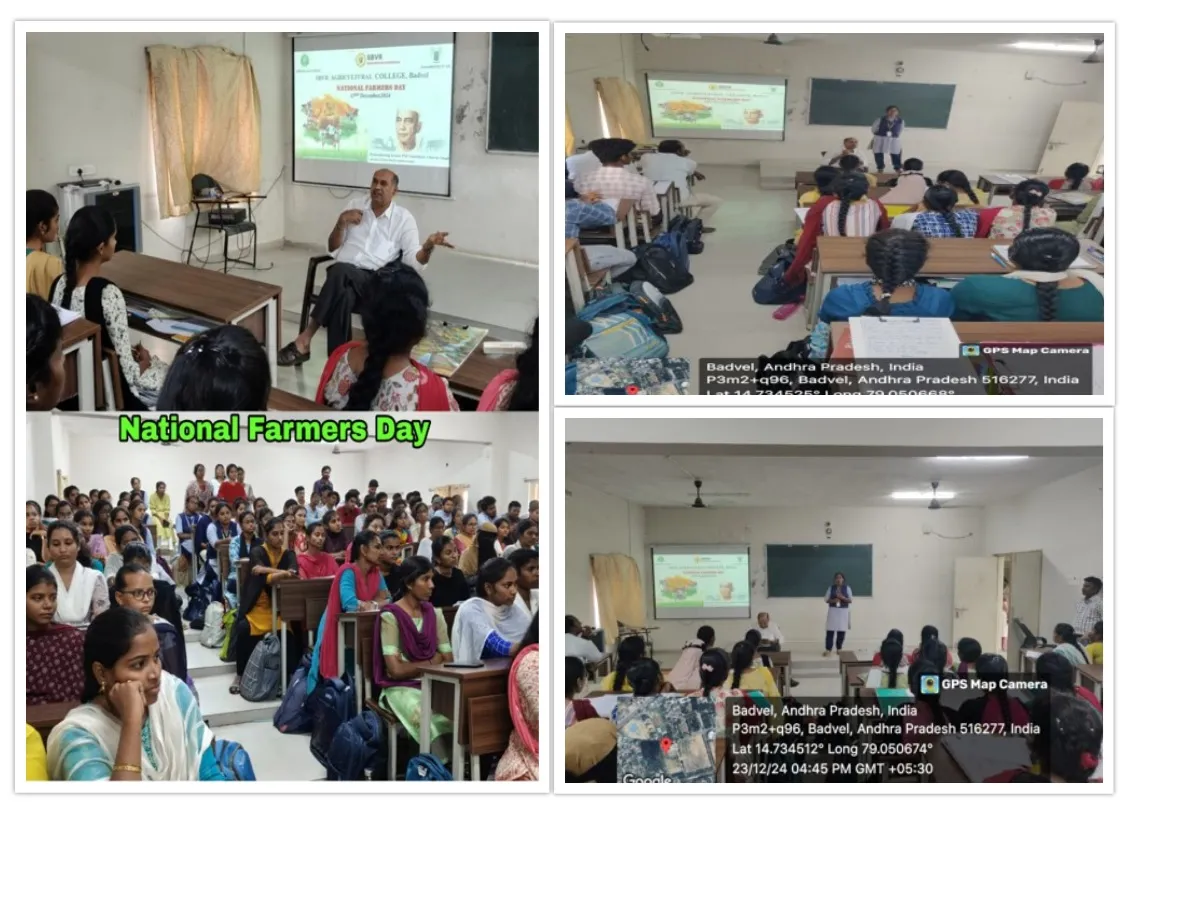
Farmers’ Day
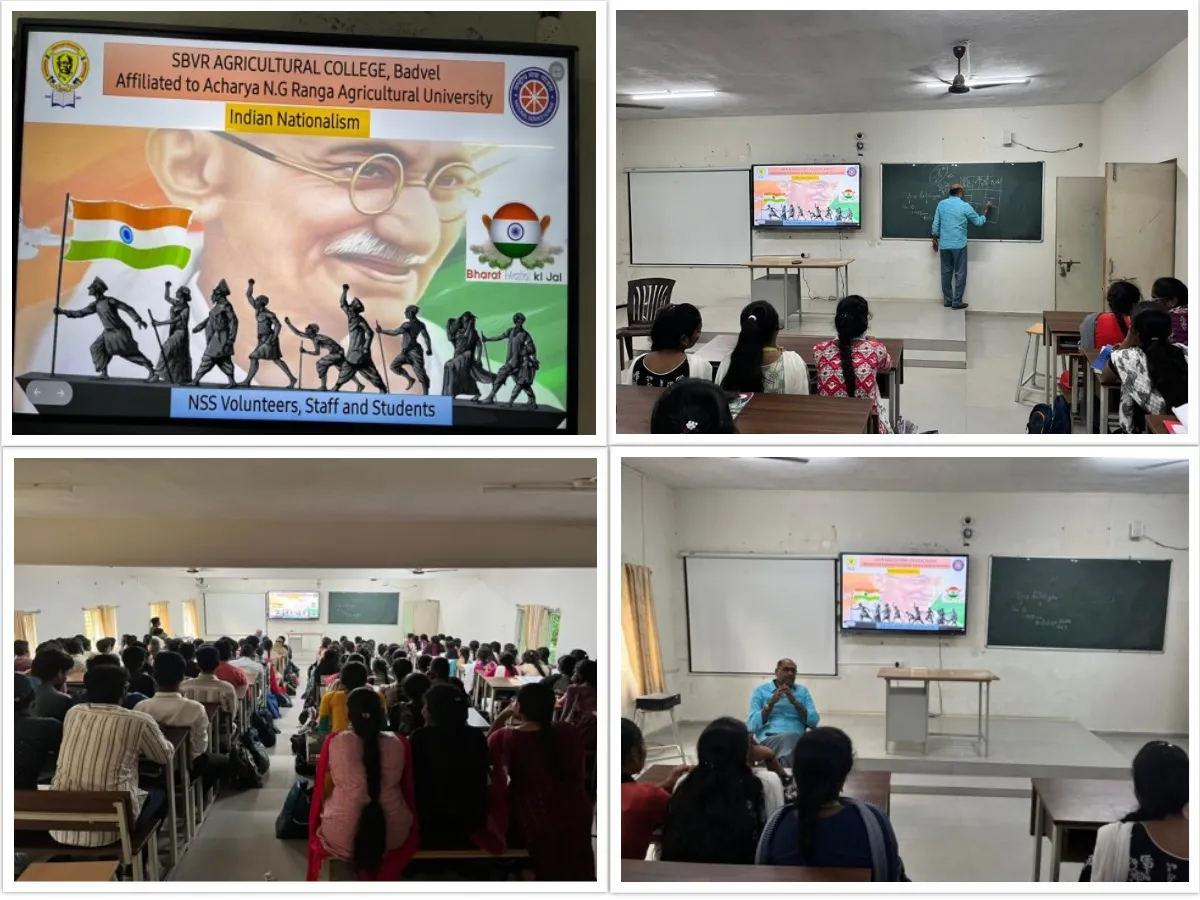
Indian Nationalism — on the role of youth in upholding national integrity, unity and self-reliance
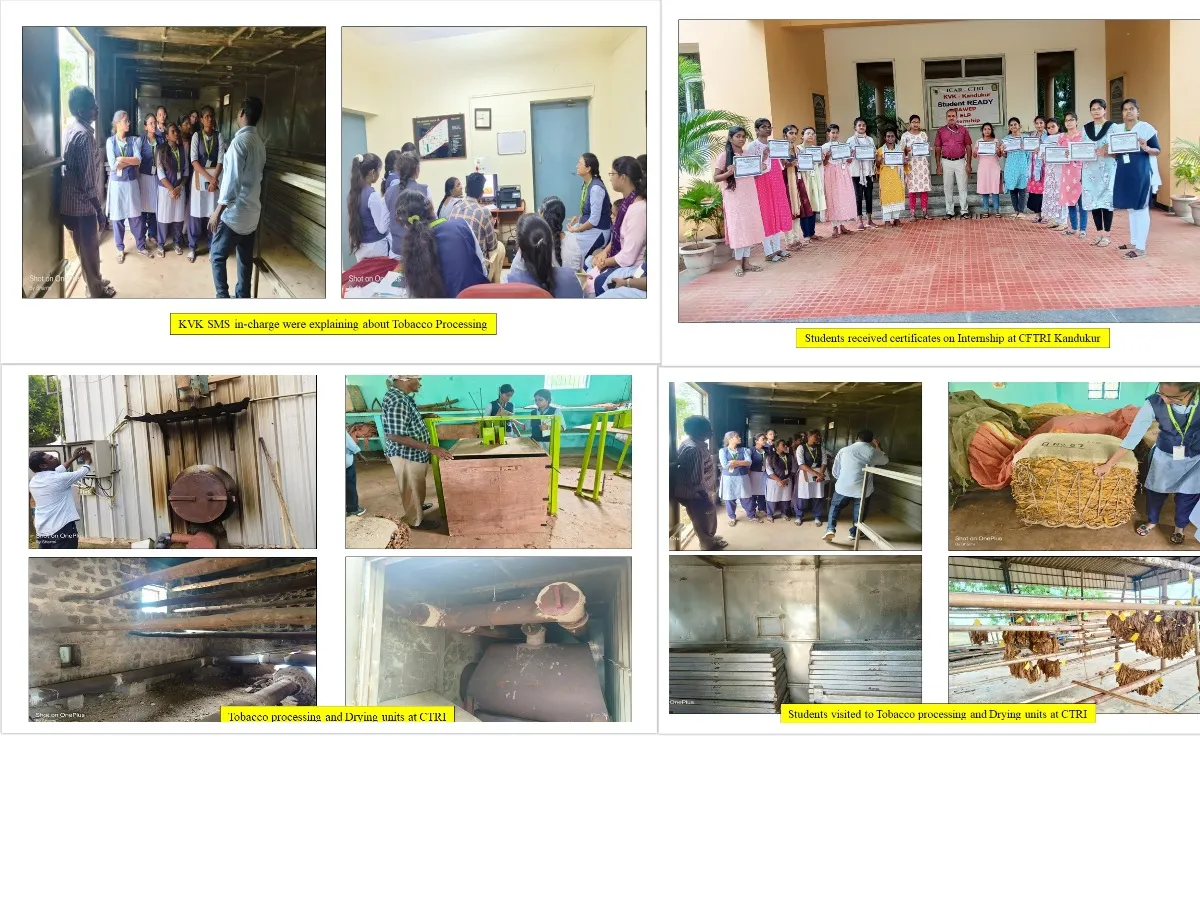
Internship
NSS volunteers lead the way in mock drill — Operation Sindoor
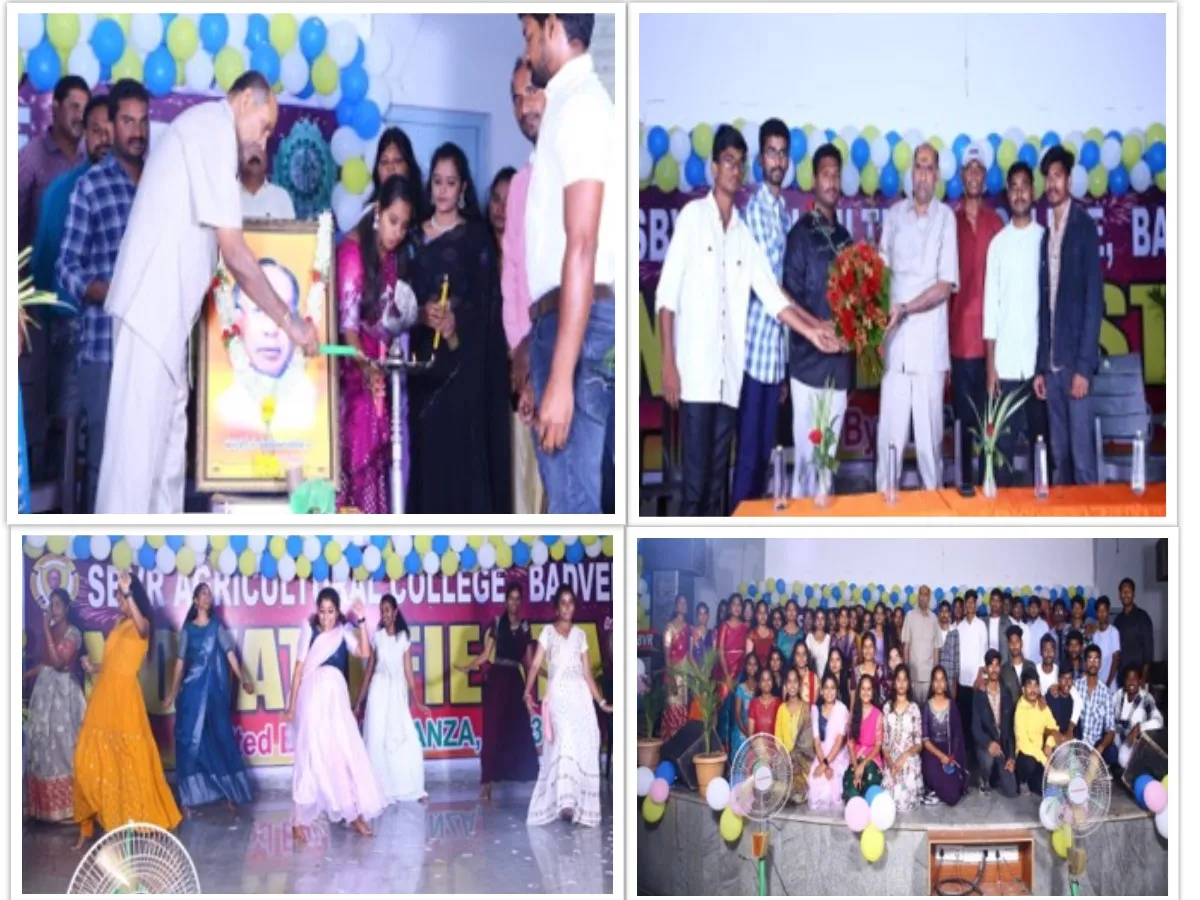
NOVATO FIESTA — Fresher’s Day celebration, 2024 batch
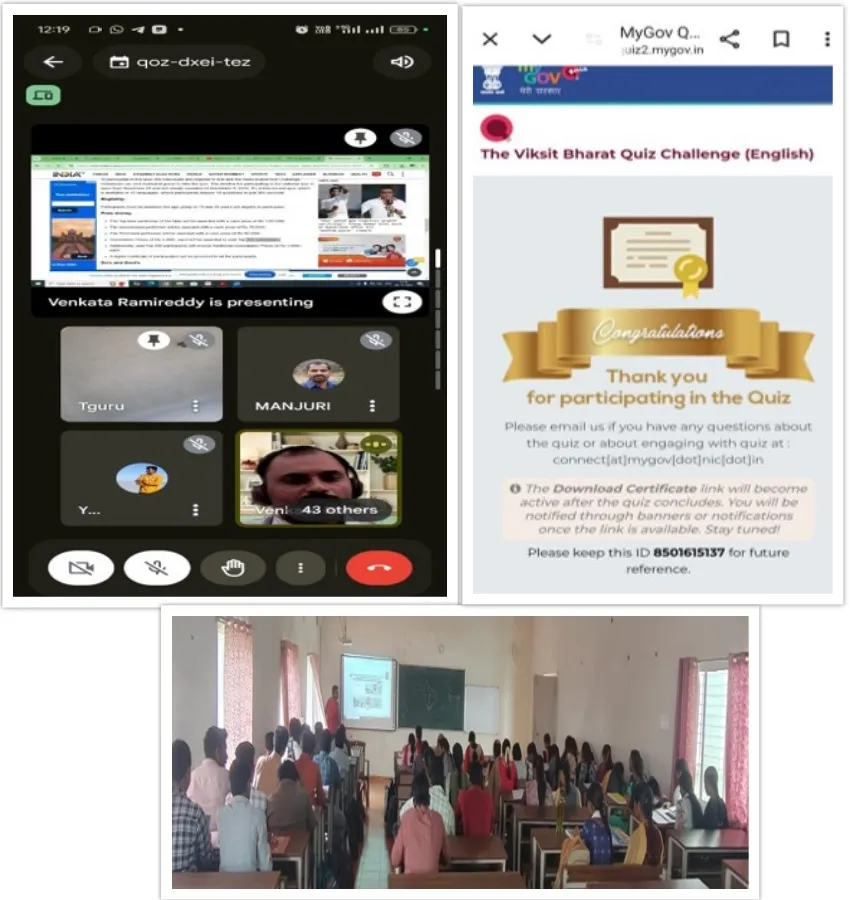
Participation in an online quiz challenge
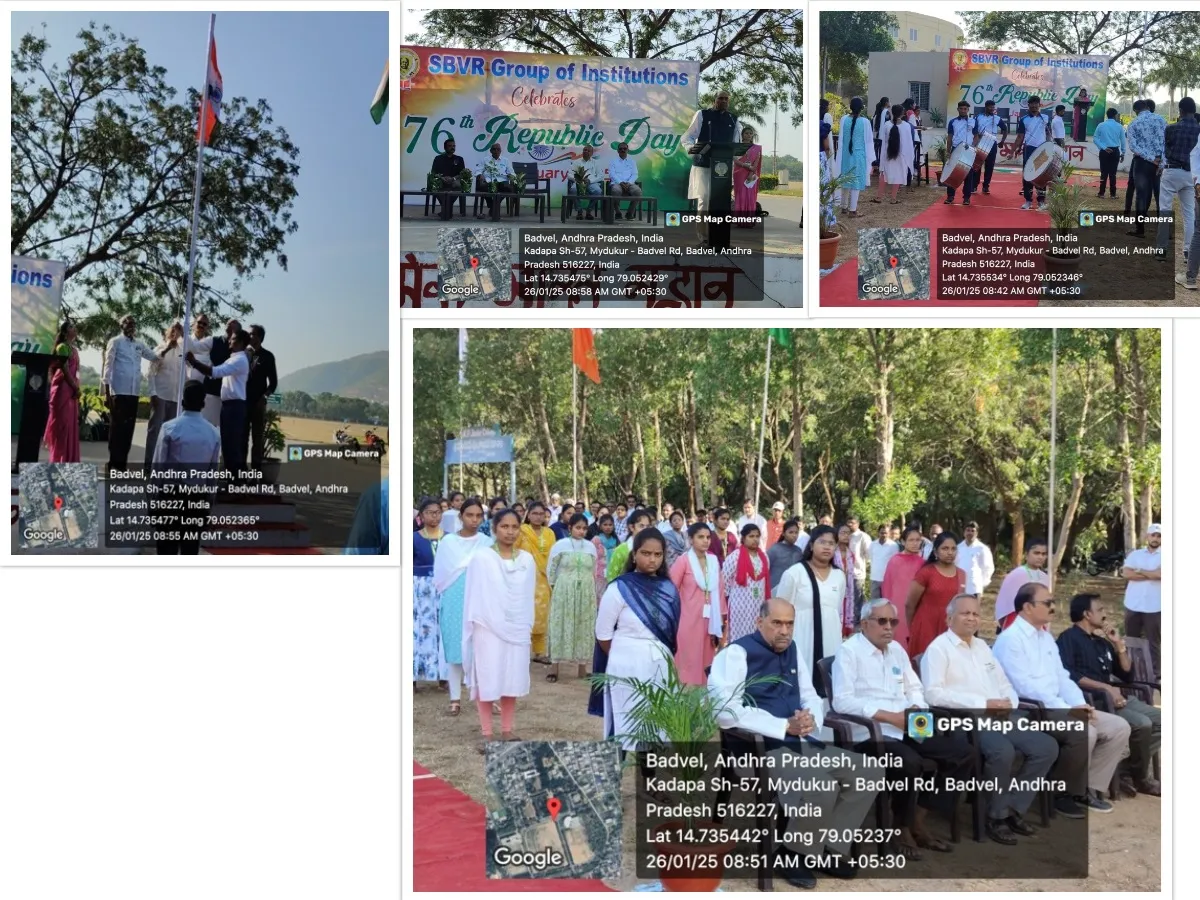
Republic Day
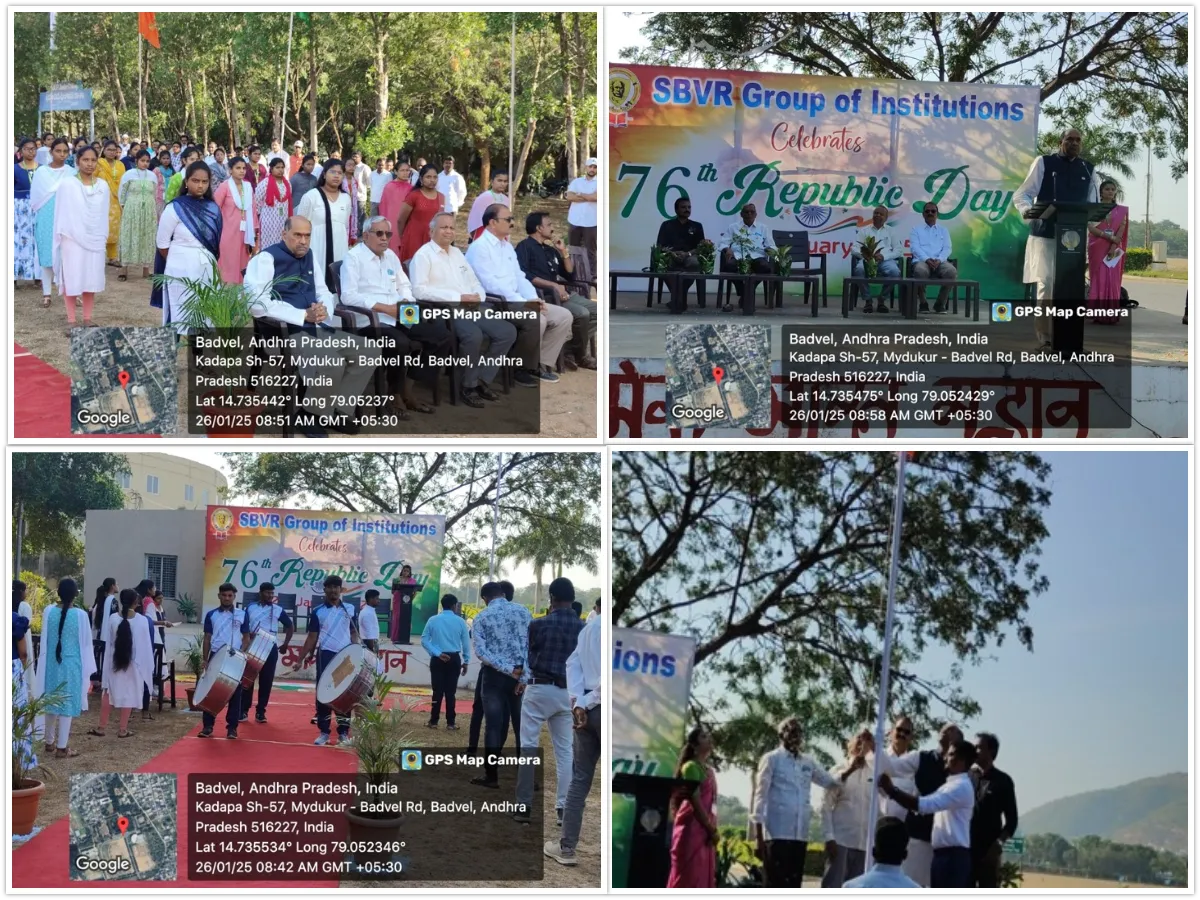
76th Republic Day celebration at SBVR Agricultural College, 2025
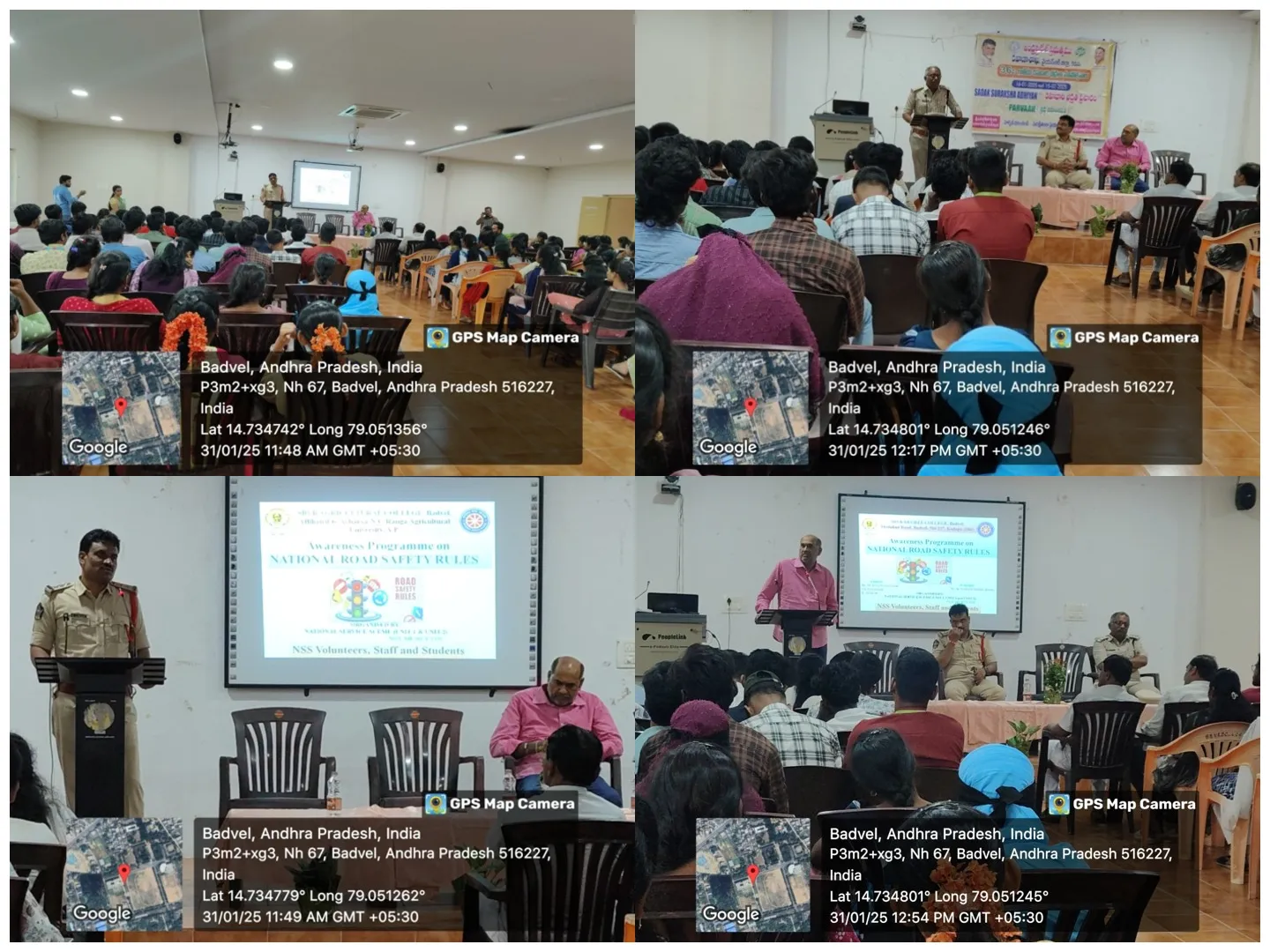
Awareness programme on national road safety rules, with Badvel Urban CI Raj Gopal garu, MV Inspector Sekhar garu and Associate Dean Dr Chandra Sekhar Rao
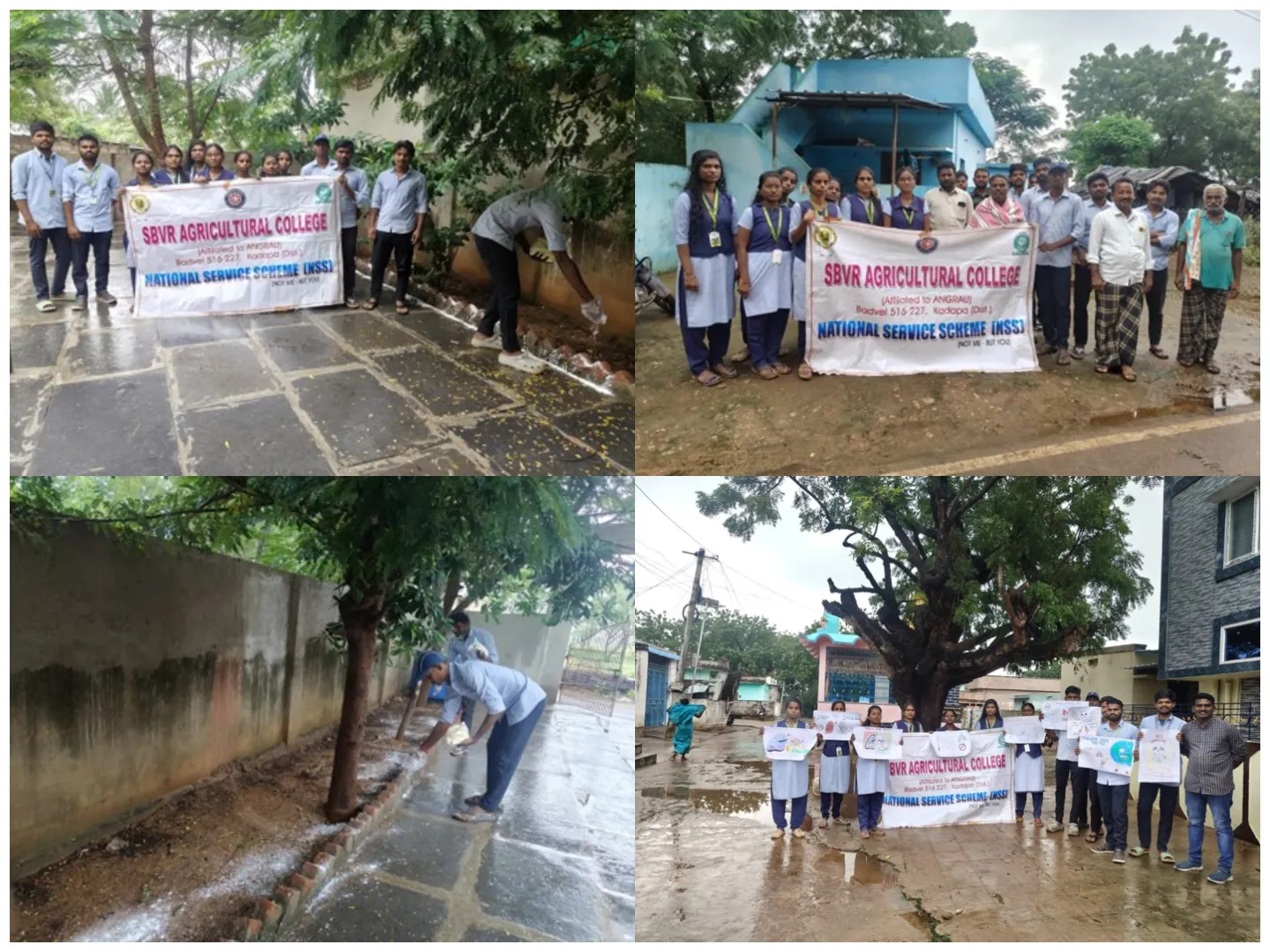
RAWEP students raising awareness of Crop Insurance, e-Cropping, PM Kisan and Rythu Bharosa Kendram at Abusaheebpeta village
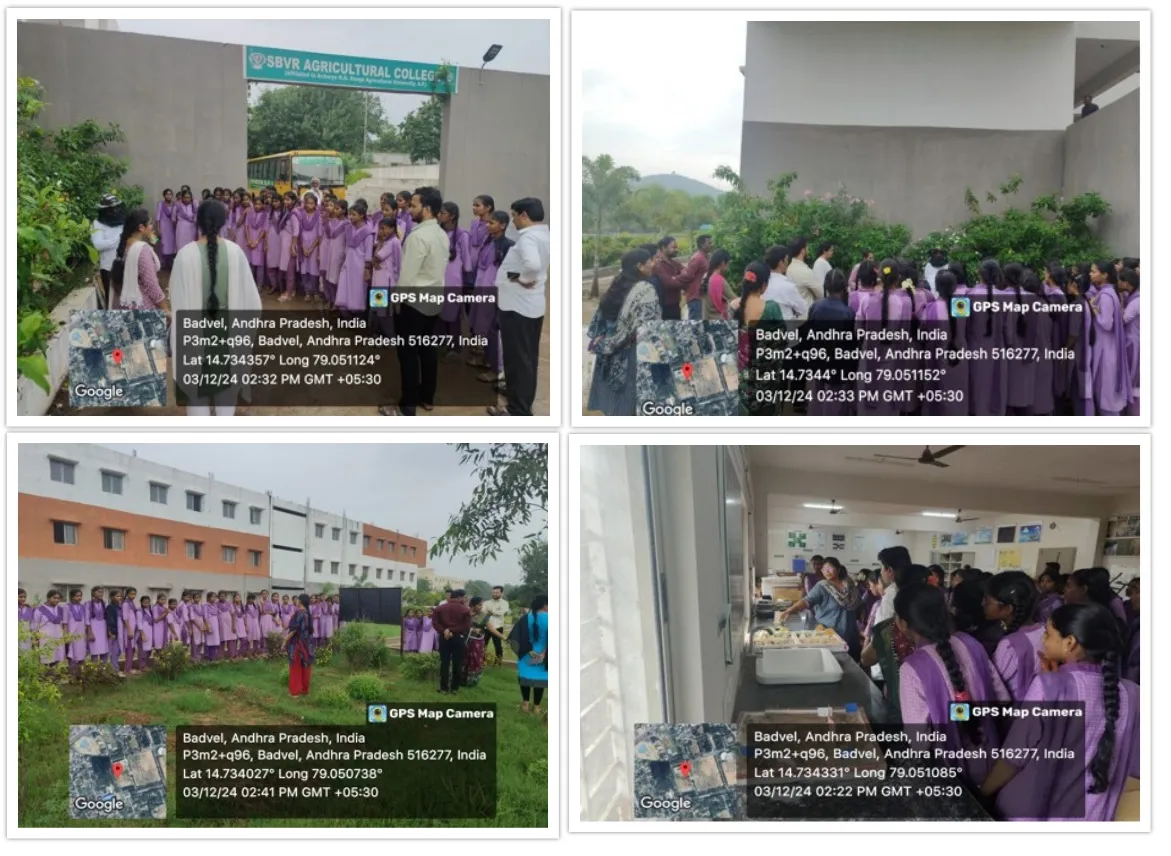
Zilla Parishad school students visit the college on Agriculture Education Day
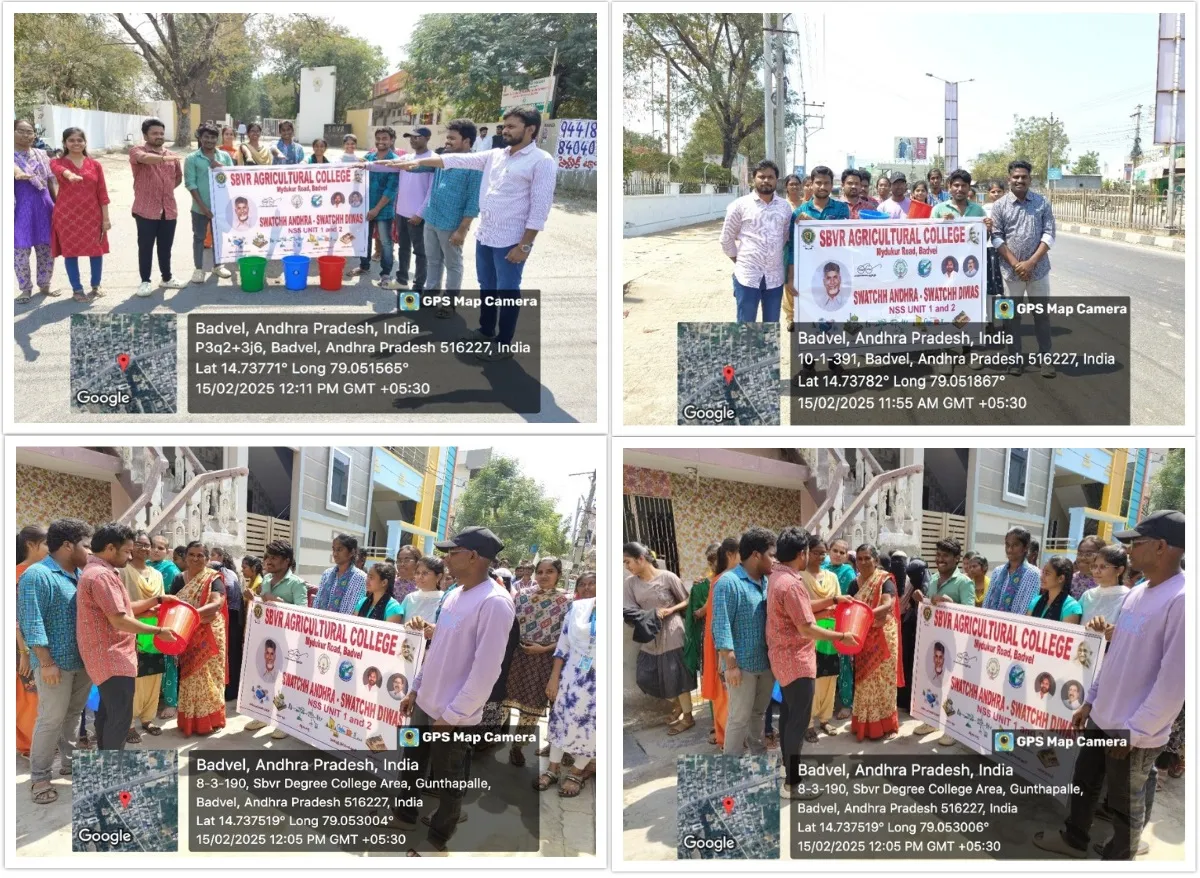
SWACHH ANDHRA campaign, as part of the college’s commitment to environmental cleanliness and social responsibility
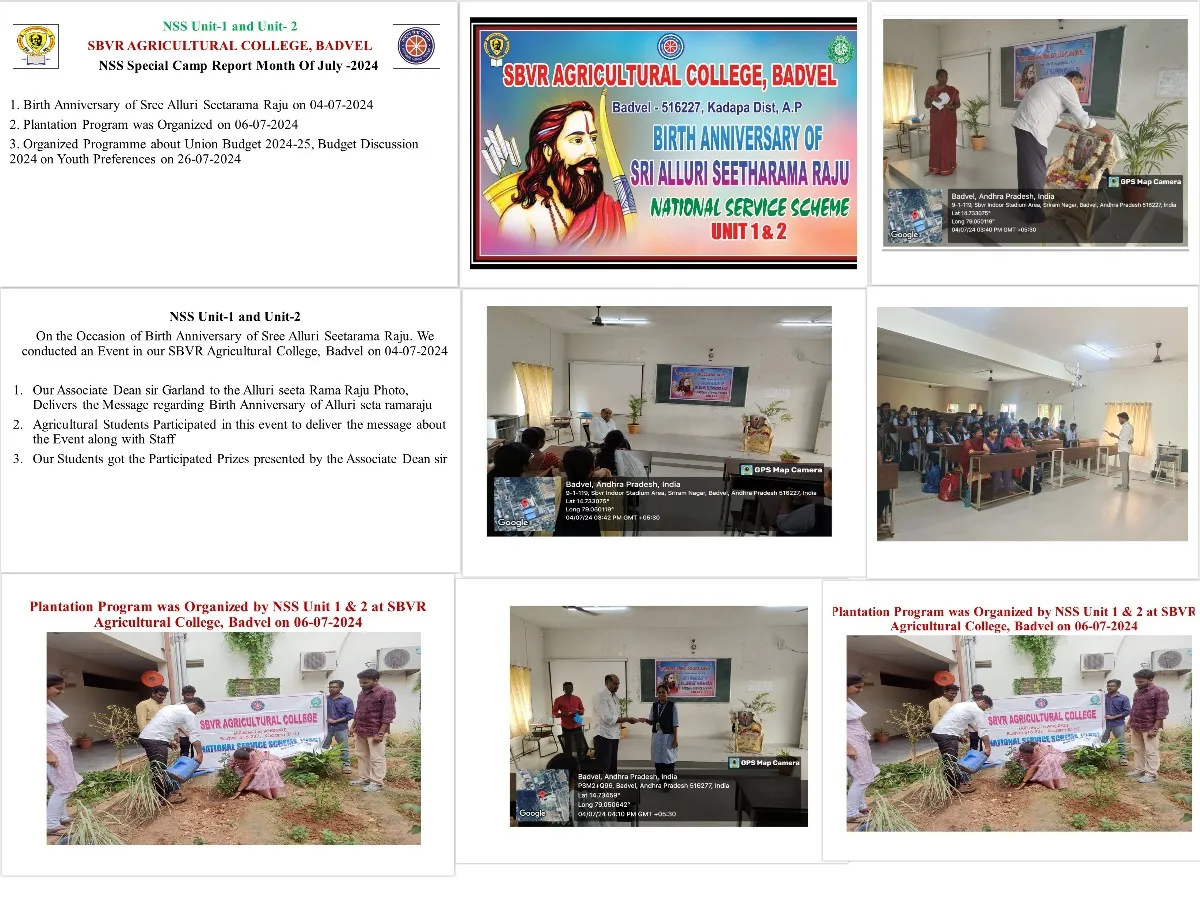
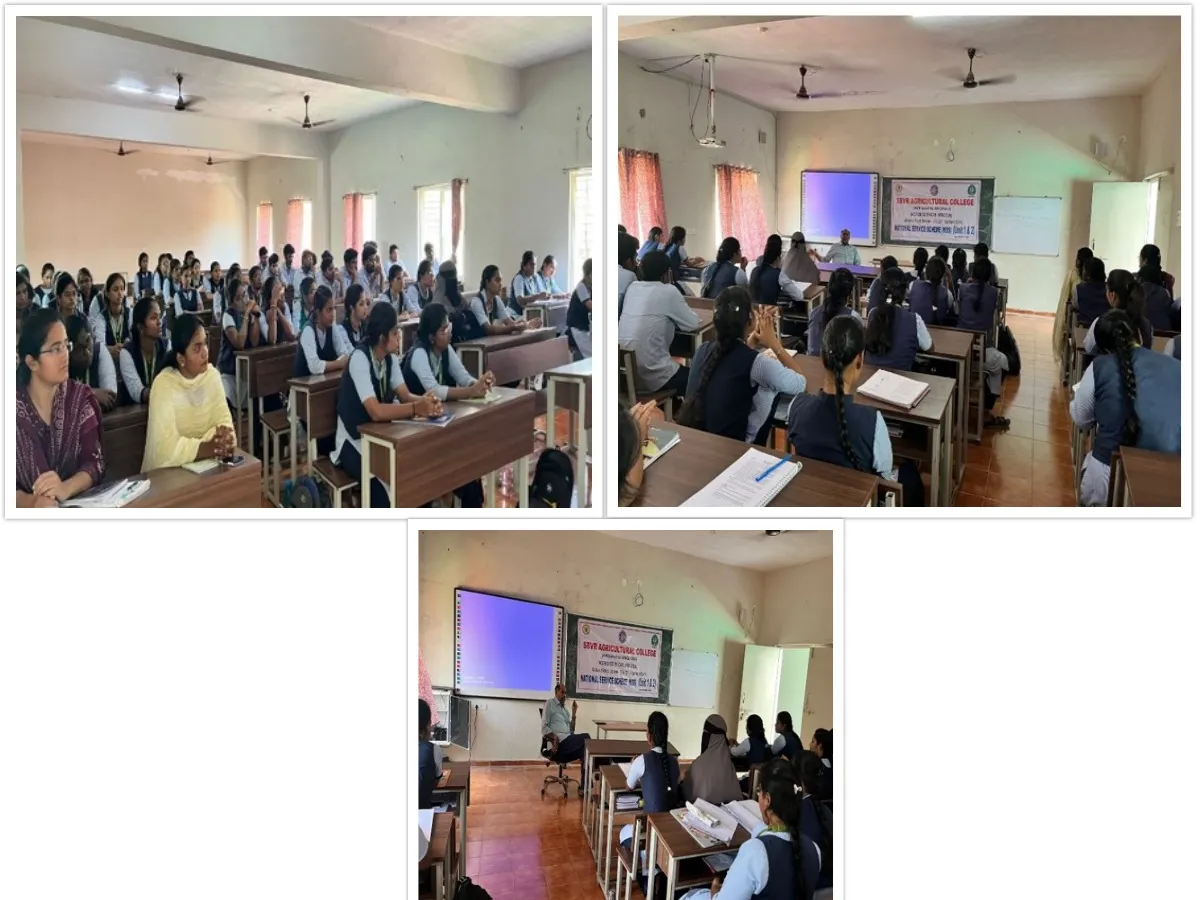
NSS Units 1 & 2
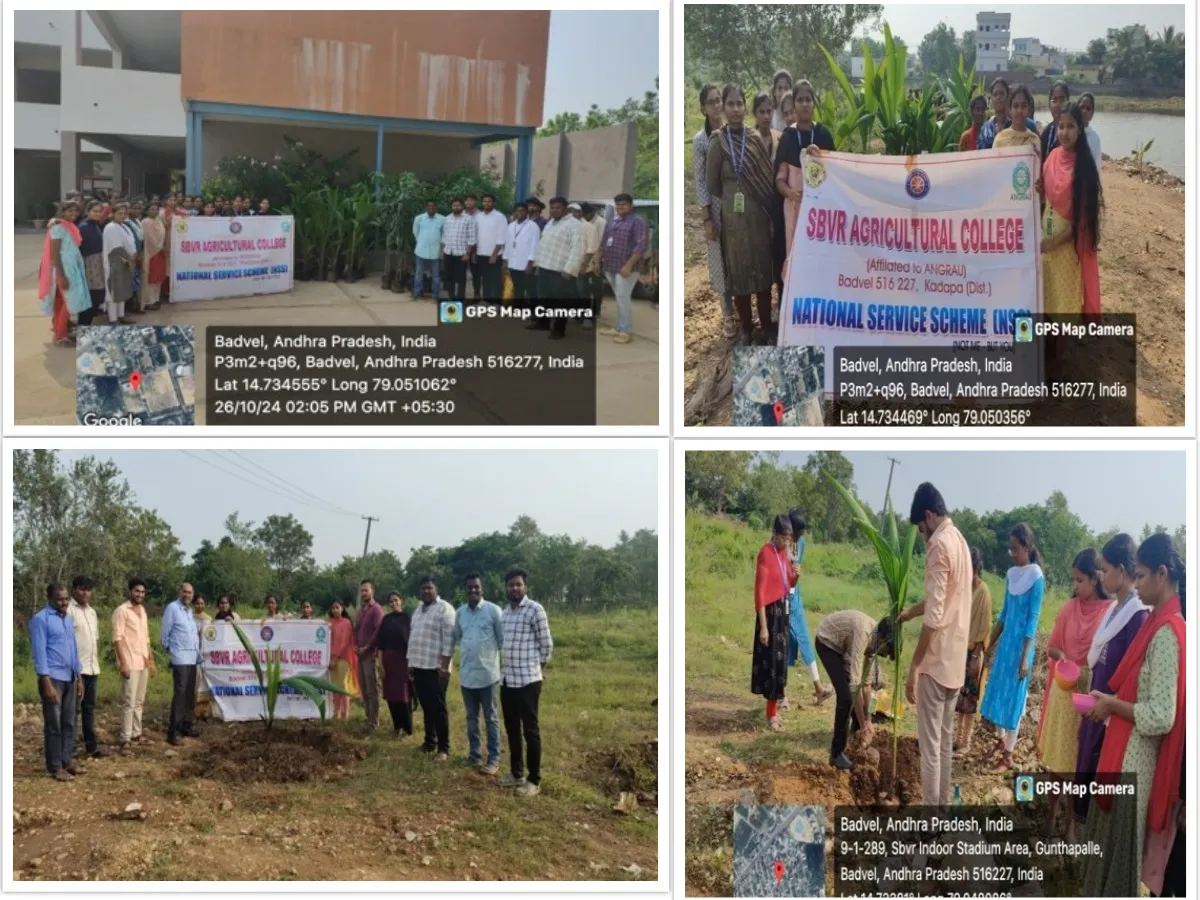
Van Mahotsav — NSS camp plantation programme of coconut and mango saplings
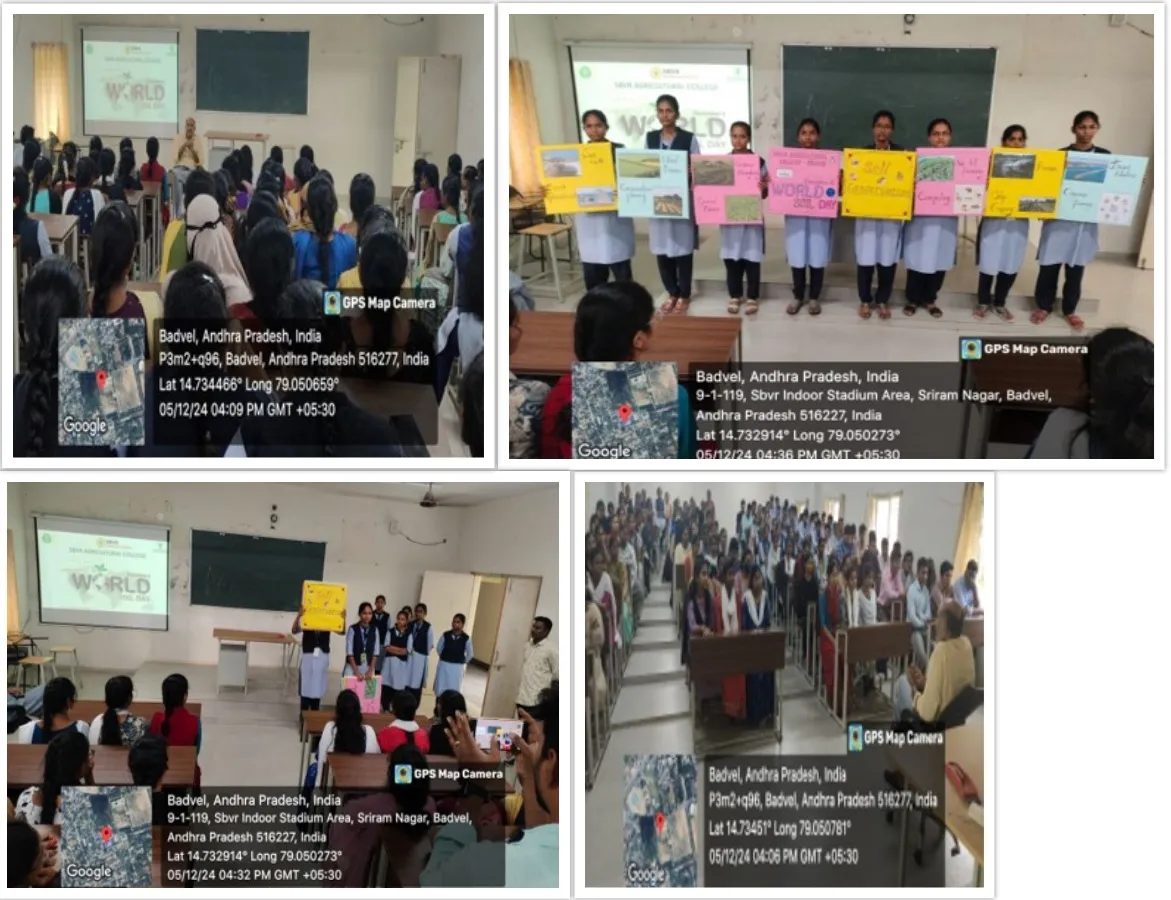
World Soil Day 2024
Careers
Placement Cell
The placement cell plays a crucial role in creating awareness of job opportunities and in advising graduates on upskilling their careers. The cell organises job melas and interviews in collaboration with agricultural companies, agri-related startups and agribusinesses every year. The majority of students who complete graduation here make full use of the placement cell in finding the best jobs.
The placement cell team also participates actively in job melas held by the state government each year at the group’s educational institutions, through which many unemployed young people have received good job offers from well-established companies.
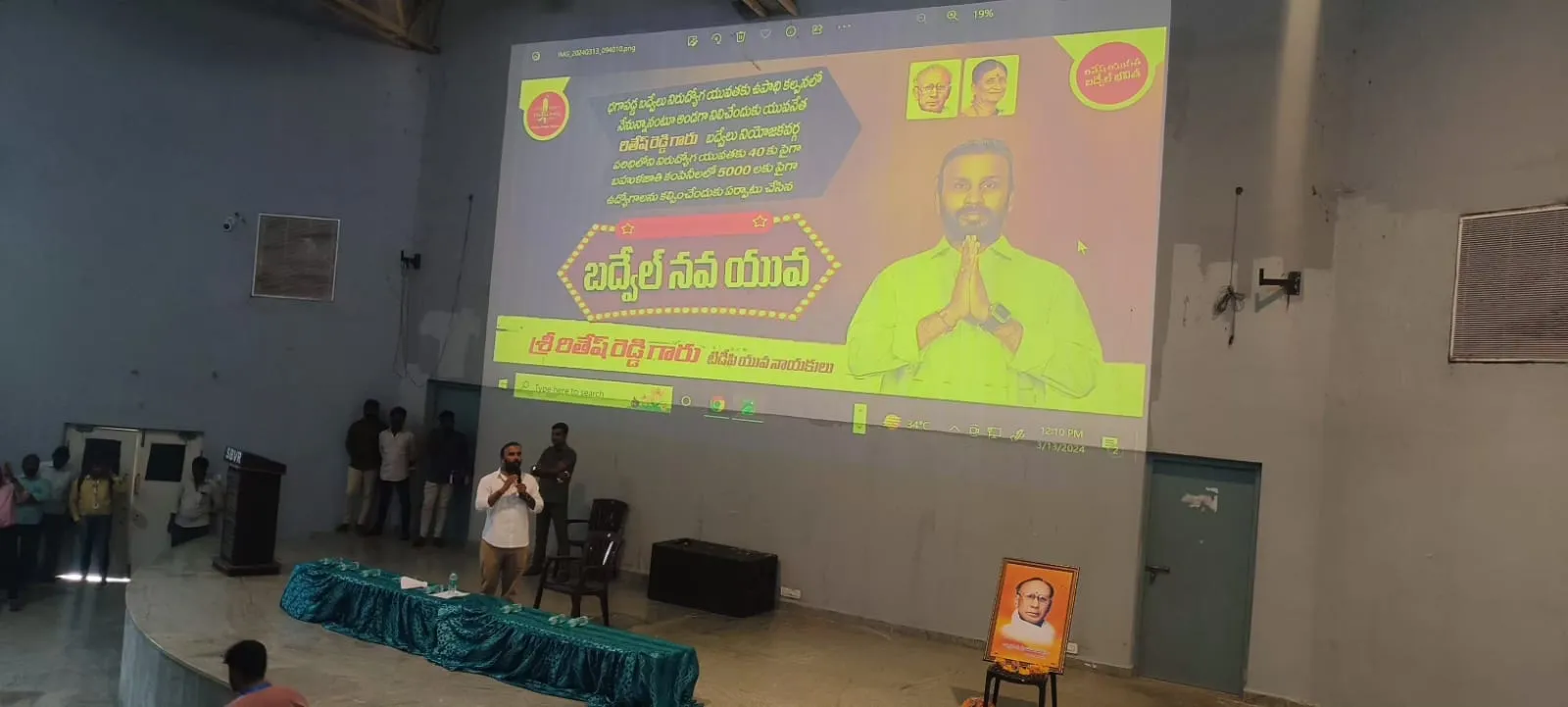
Placement Cell job mela
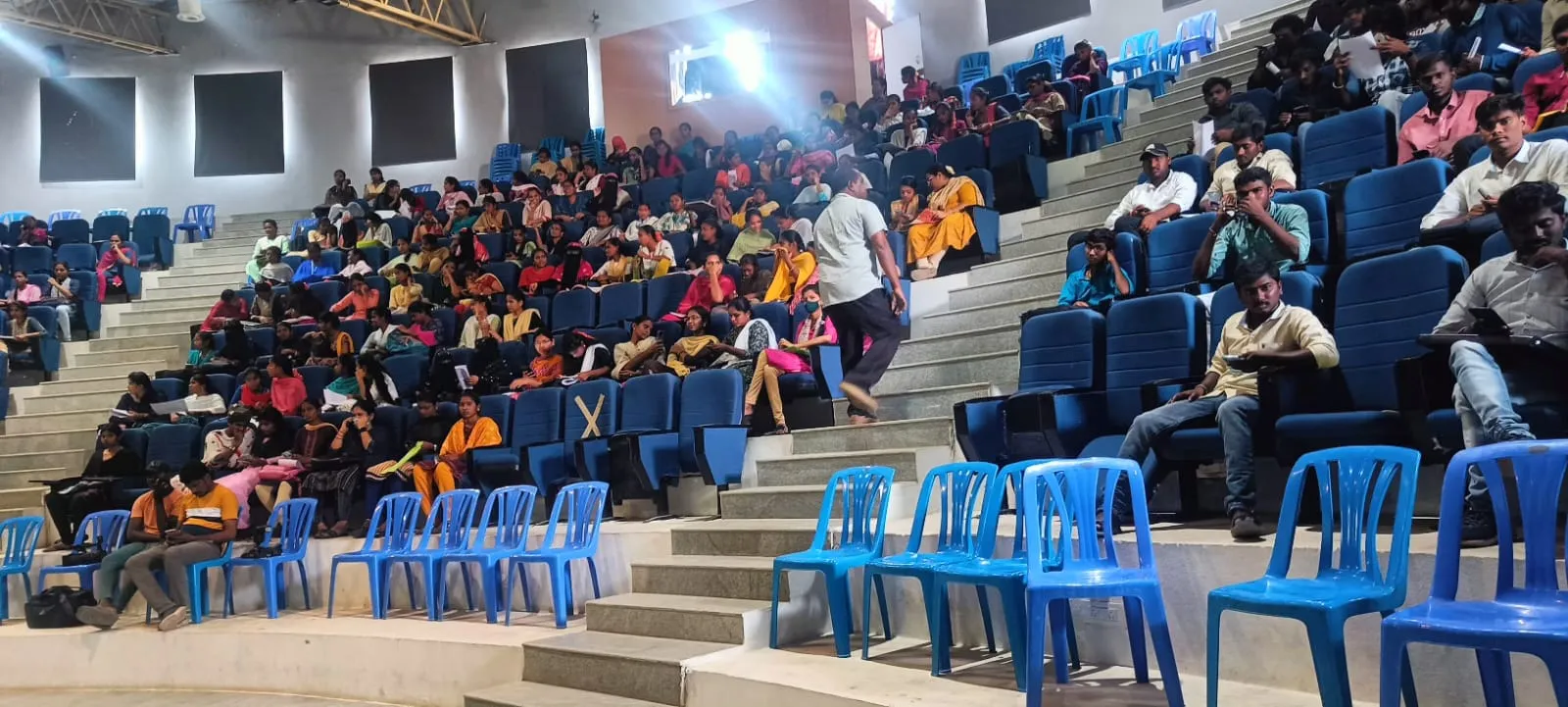
Placement Cell interview drive
Safety
Women Protection Cell
The college has established a women protection cell for women faculty and girl students, to enhance understanding of issues related to women and to make the campus a safe place for them. With the aim of creating awareness of their rights and duties, the cell organises and participates in seminars and talks, and takes up women’s issues and problems.
It provides a platform for women to share their experiences and views regarding their status in society and to suggest ways to improve and empower themselves. Aiming at the intellectual and social upliftment of female students, the cell facilitates women’s empowerment through guest lectures, seminars, awareness programmes, life-skill programmes, entrepreneur training and other welfare activities.
Meetings are conducted to raise awareness among girl students about:
- Safety and security
- Prevention of harassment
- Support services
- Rights and empowerment
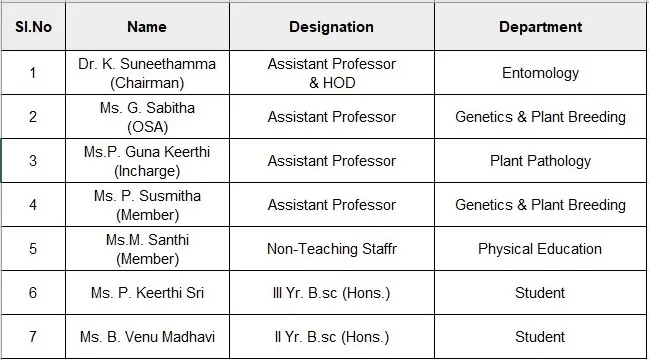
Women Protection Cell members, 2024–25
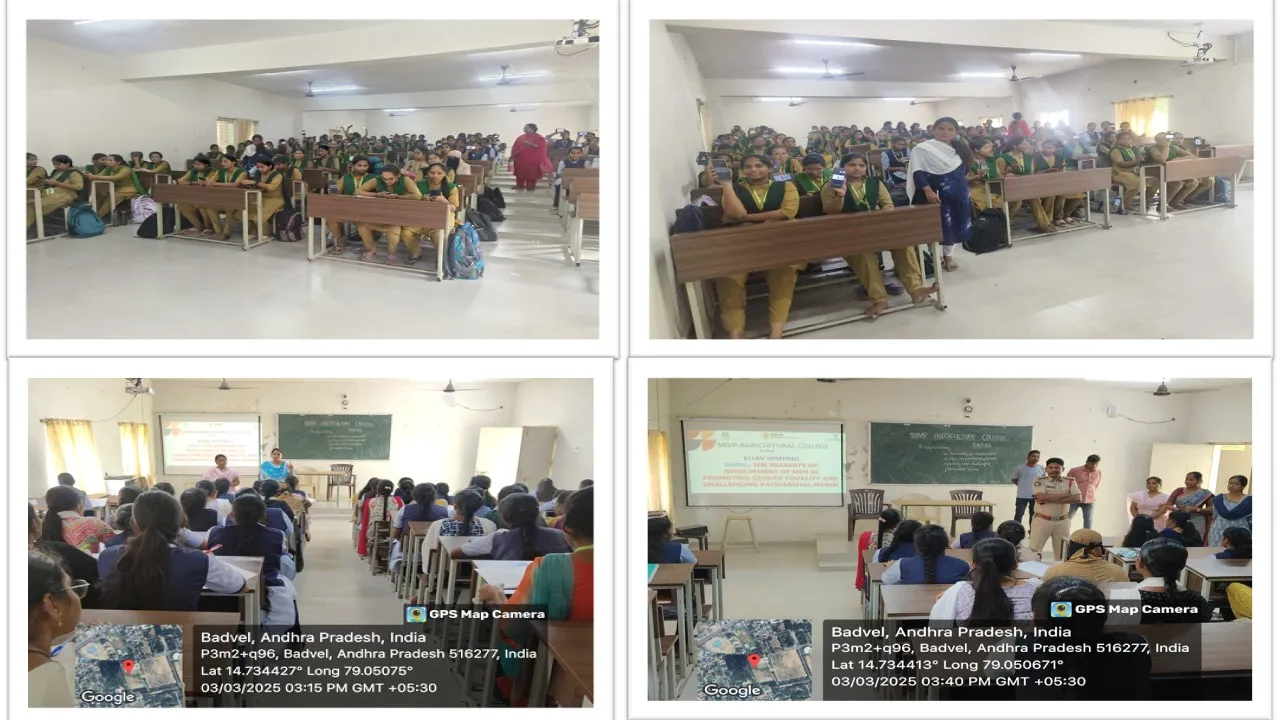
Women Protection Cell awareness meeting
Support
SC/ST Cell
Scheduled Castes and Scheduled Tribes have been identified as two of the most backward groups of Indian society, including all castes, races and tribes that have been socially, economically and educationally backward. The cell was established to support and guide these students and bring them into the mainstream.
The SC/ST cell was established in 2016–17 with the purpose of empowering SC/ST students. The college takes special interest in facilitating financial support from the Government of Andhra Pradesh, the Government of India and NGOs. Students are enrolled in career orientation programmes that help build their personality development.
To address student concerns, SC/ST meetings are held every three months, aiming to:
- Identify student issues
- Discuss scholarship-related problems
- Address hostel facility concerns
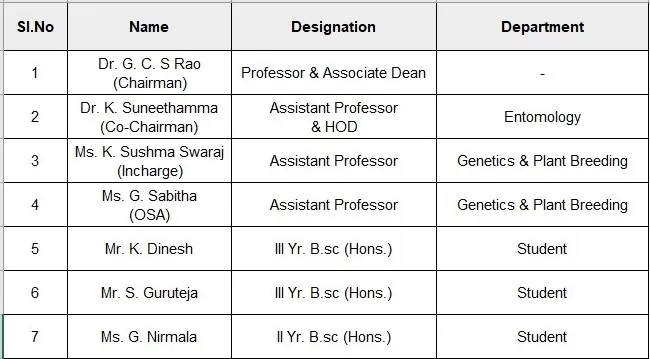
SC/ST Cell members, 2024–25
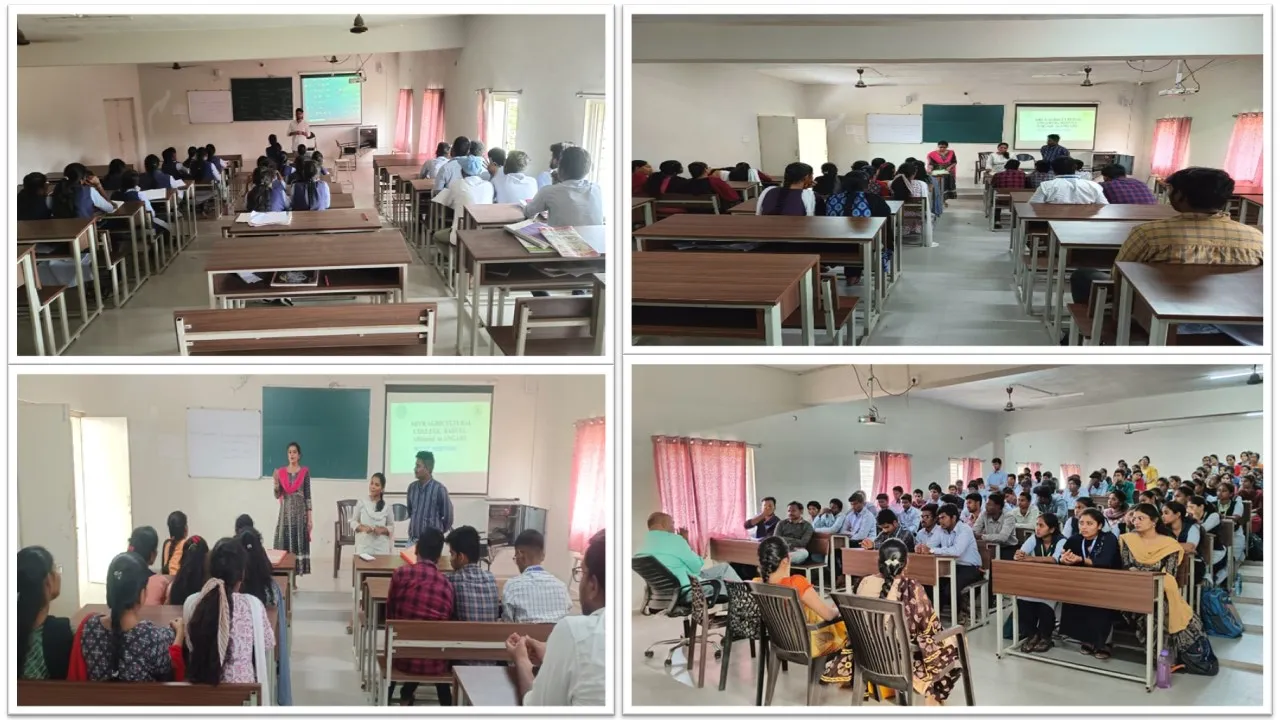
SC/ST Cell quarterly meeting
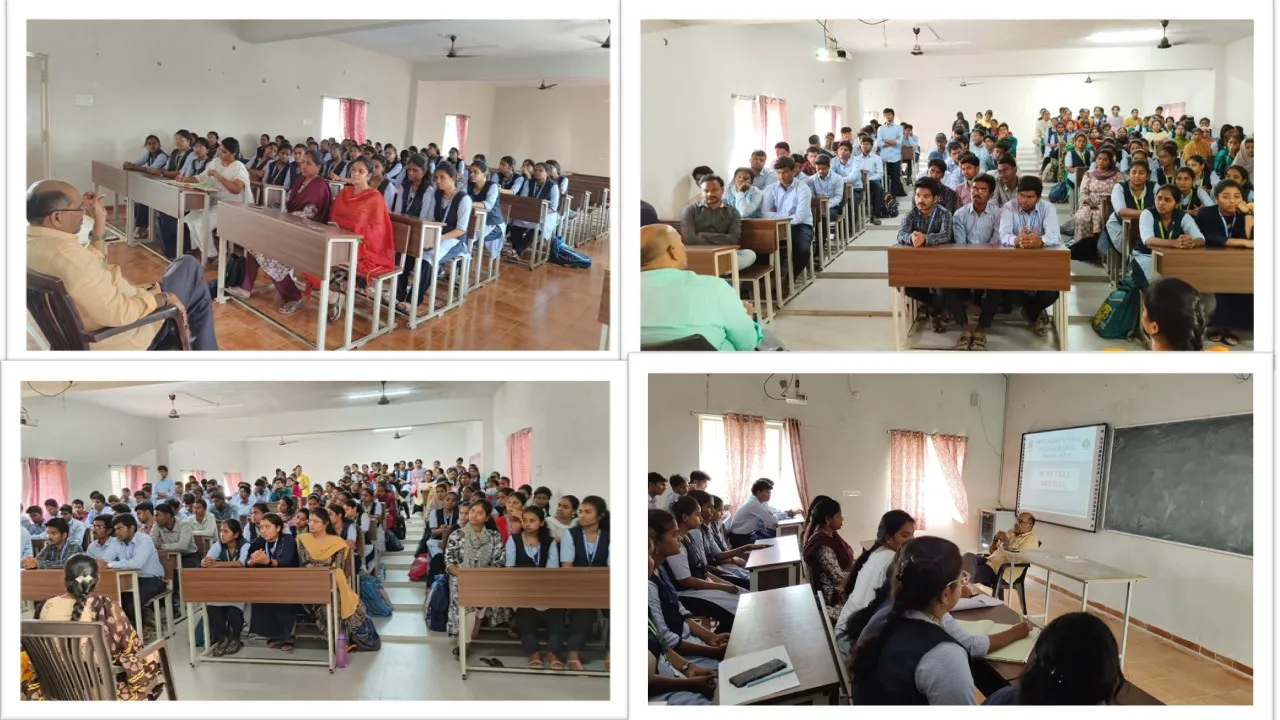
SC/ST Cell student interaction
Zero tolerance
Anti-Ragging Cell
In view of the directions of the University Grants Commission notified on 4 July 2009 in the Gazette of India, and of the Government of Andhra Pradesh, to prohibit, prevent and eliminate the scourge of ragging, SBVR Agricultural College has developed an institutional policy to prevent ragging, with strict rules against any student found guilty. An anti-ragging committee has been formed at institutional level to avoid ragging and to take appropriate action in the event of any incident.
- Undertakings are collected from students and parents at the time of admission, offline or online.
- Awareness is created during the induction programme and continuously thereafter, covering the severity of punishments under IPC sections.
- The Physical Education Director and security head organise programmes encouraging team building and unity between seniors and juniors.
- Sports and cultural teams are formed to encourage bonding between different groups of students.
- Surprise raids are conducted in hostels and other vulnerable places.
- Authorities’ email IDs and contact details, with the anti-ragging policy, are displayed across key campus locations.
- CCTV cameras are installed and security personnel posted at sensitive areas of the campus.
The committee maintains the confidentiality of the whistleblower in the event of any ragging, and takes appropriate action as per the law of the land.
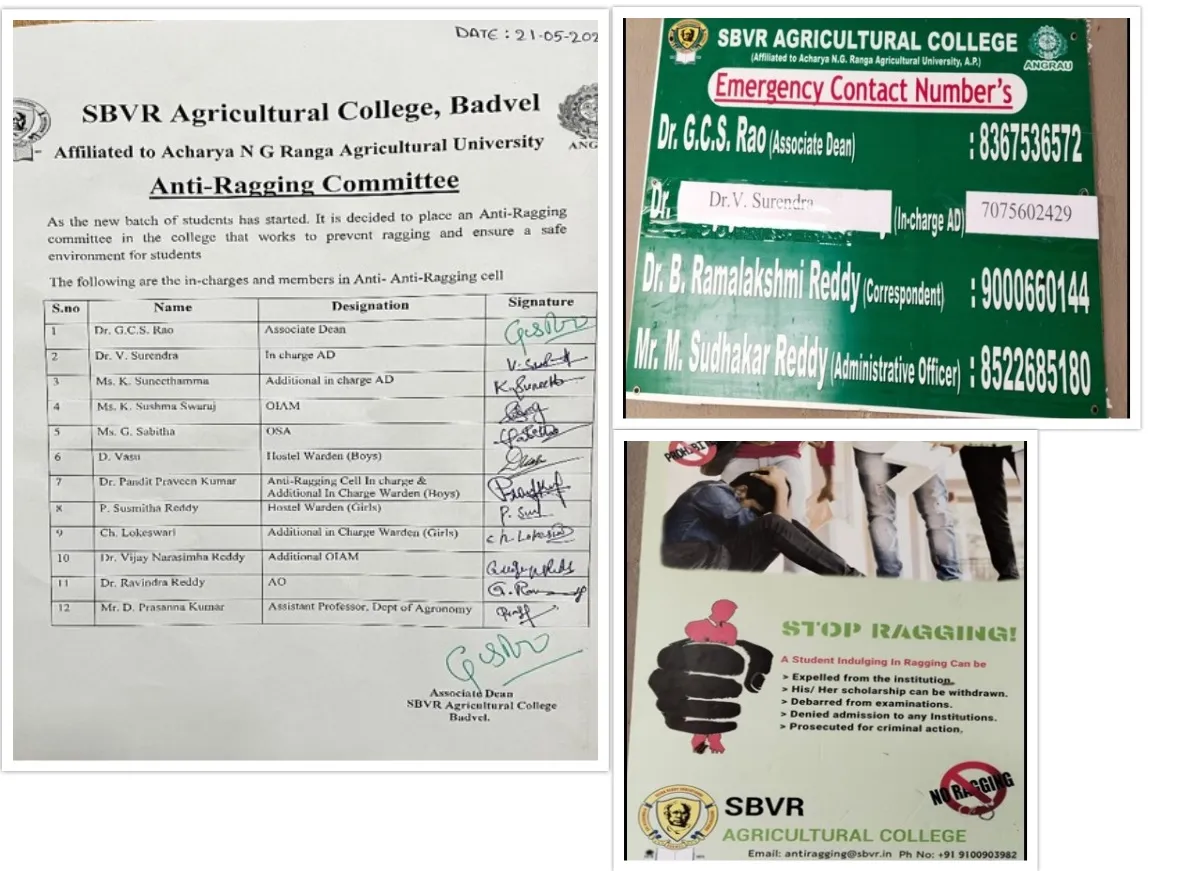
Anti-Ragging Committee
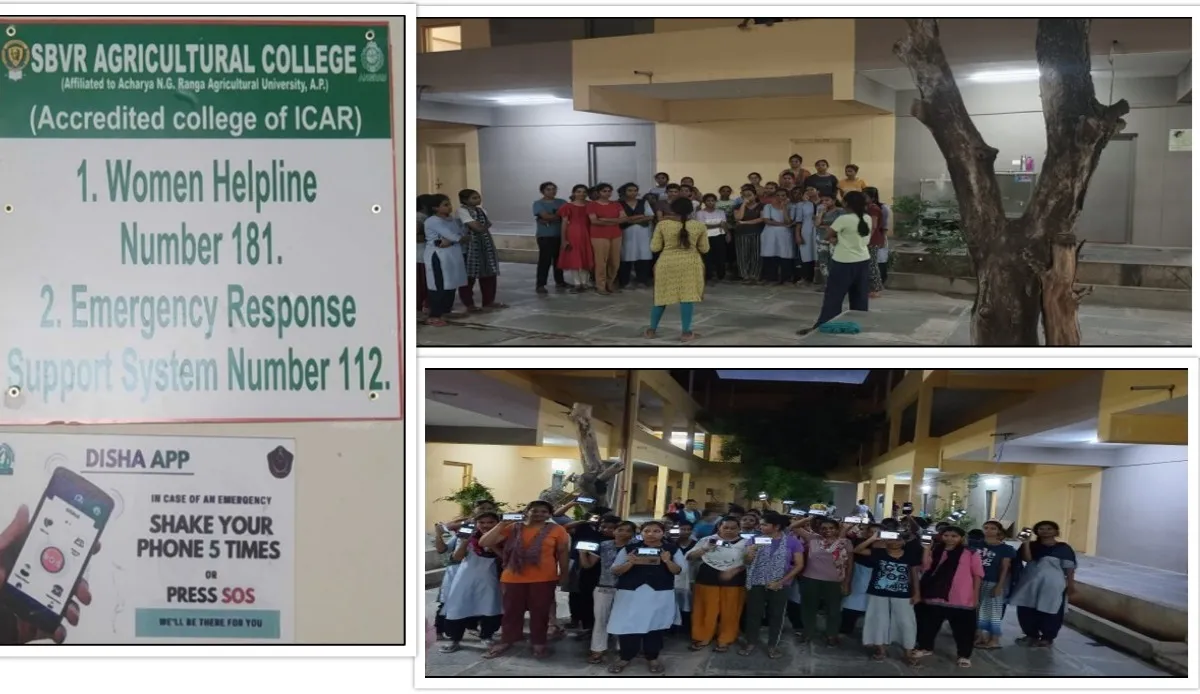
Awareness programme on the Disha app
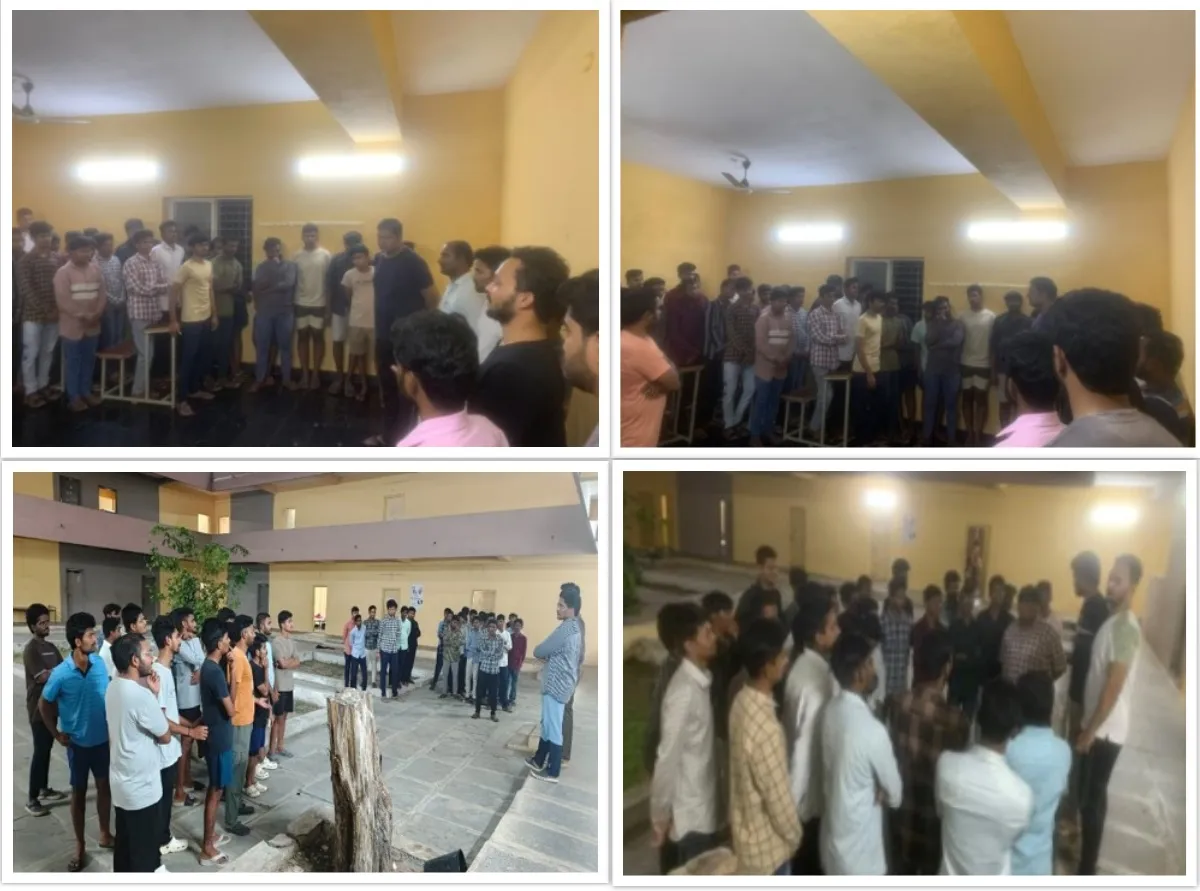
Anti-ragging meeting held in both boys’ hostels
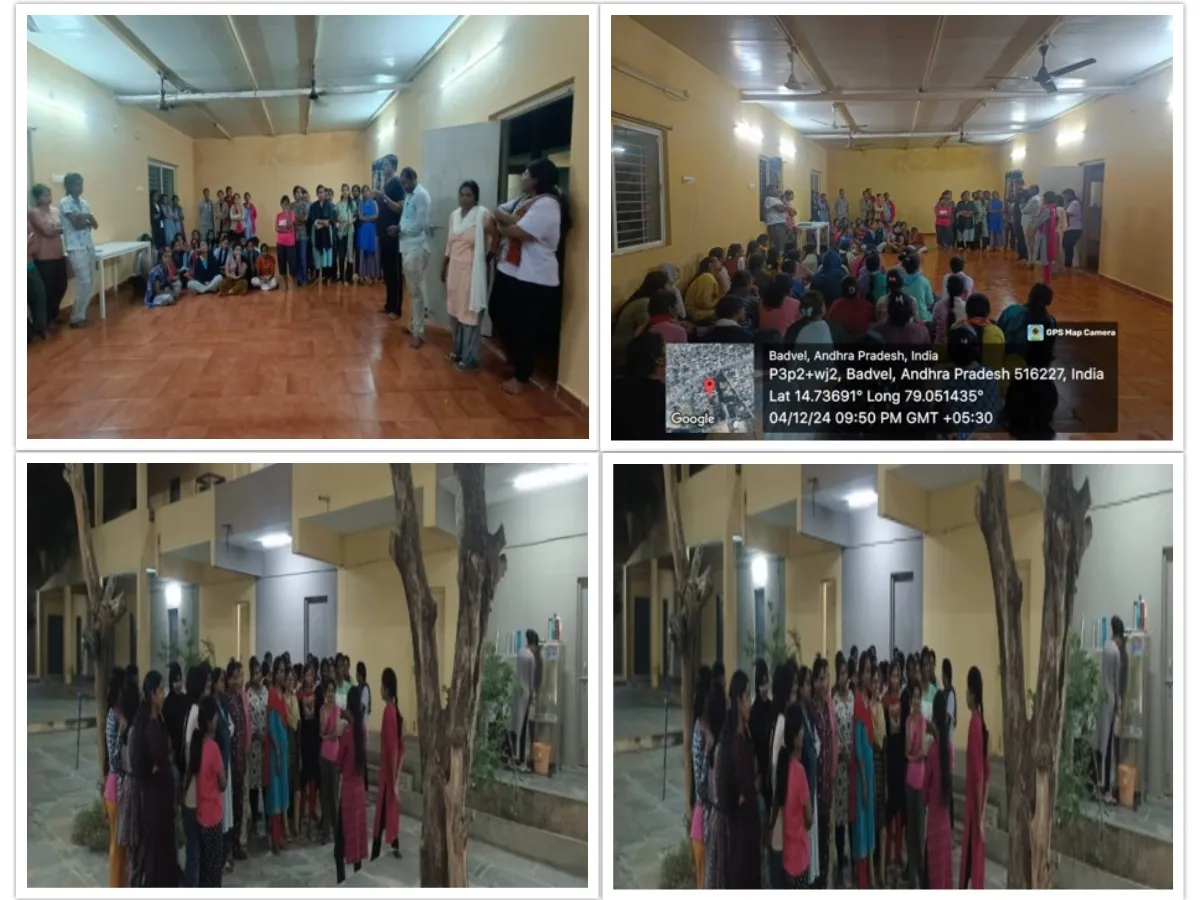
Anti-ragging meeting held in both girls’ hostels
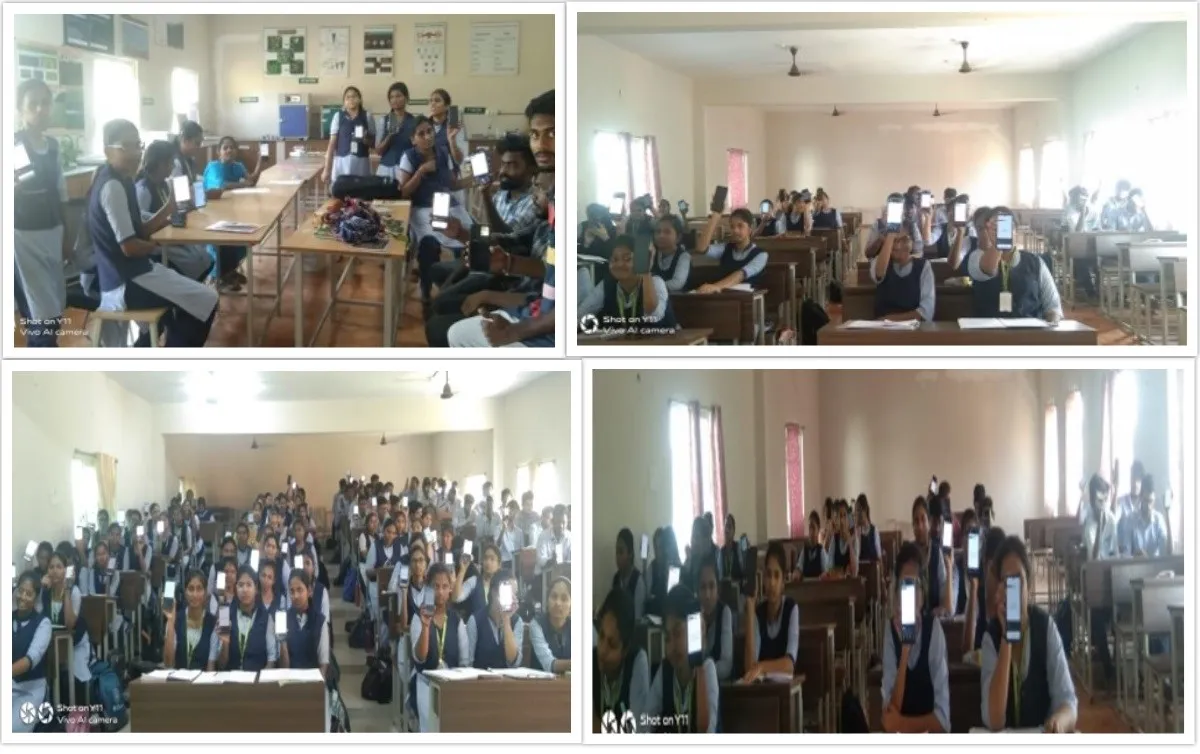
Anti-ragging undertaking form issued by the UGC
Out of campus
Student visits
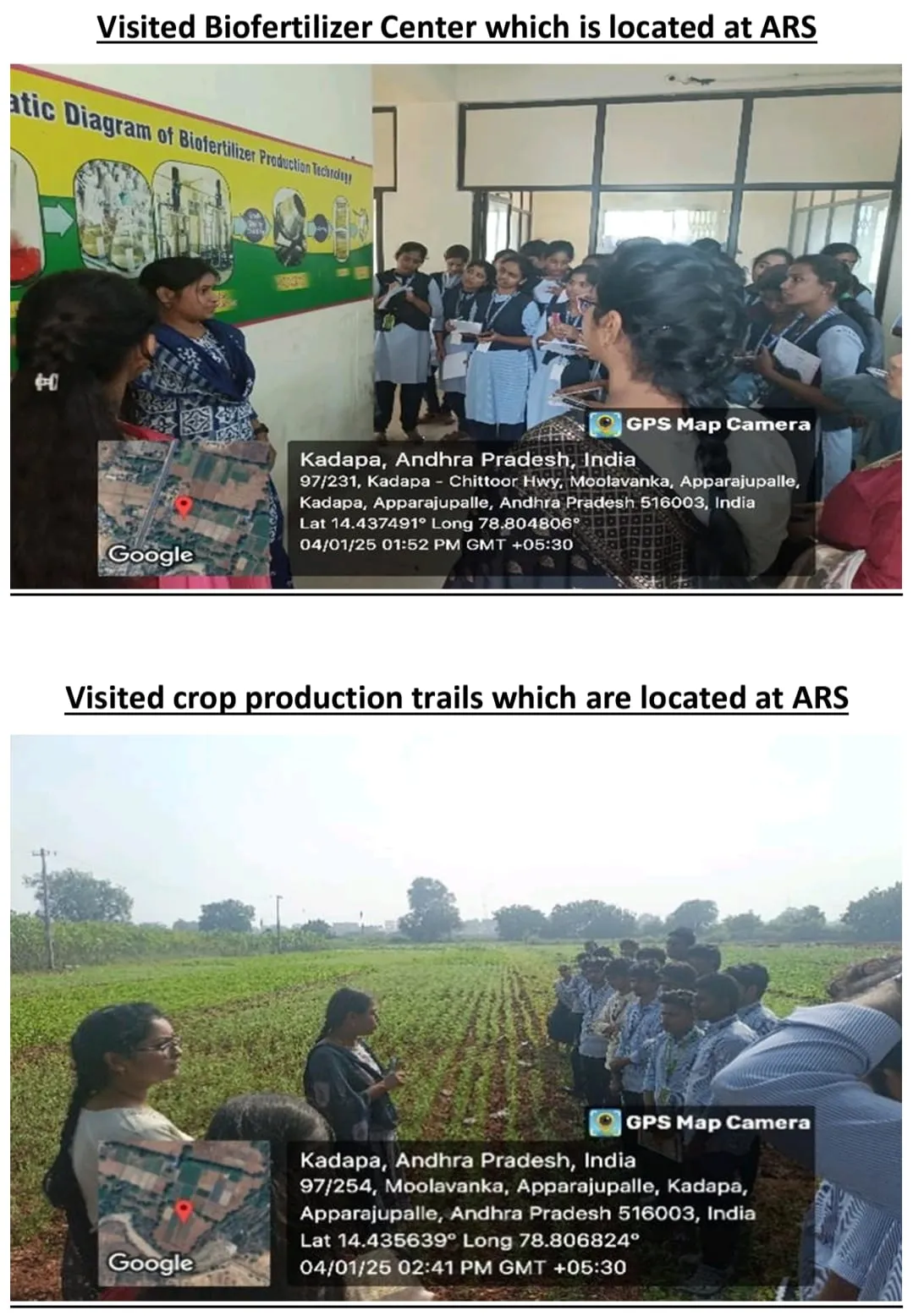
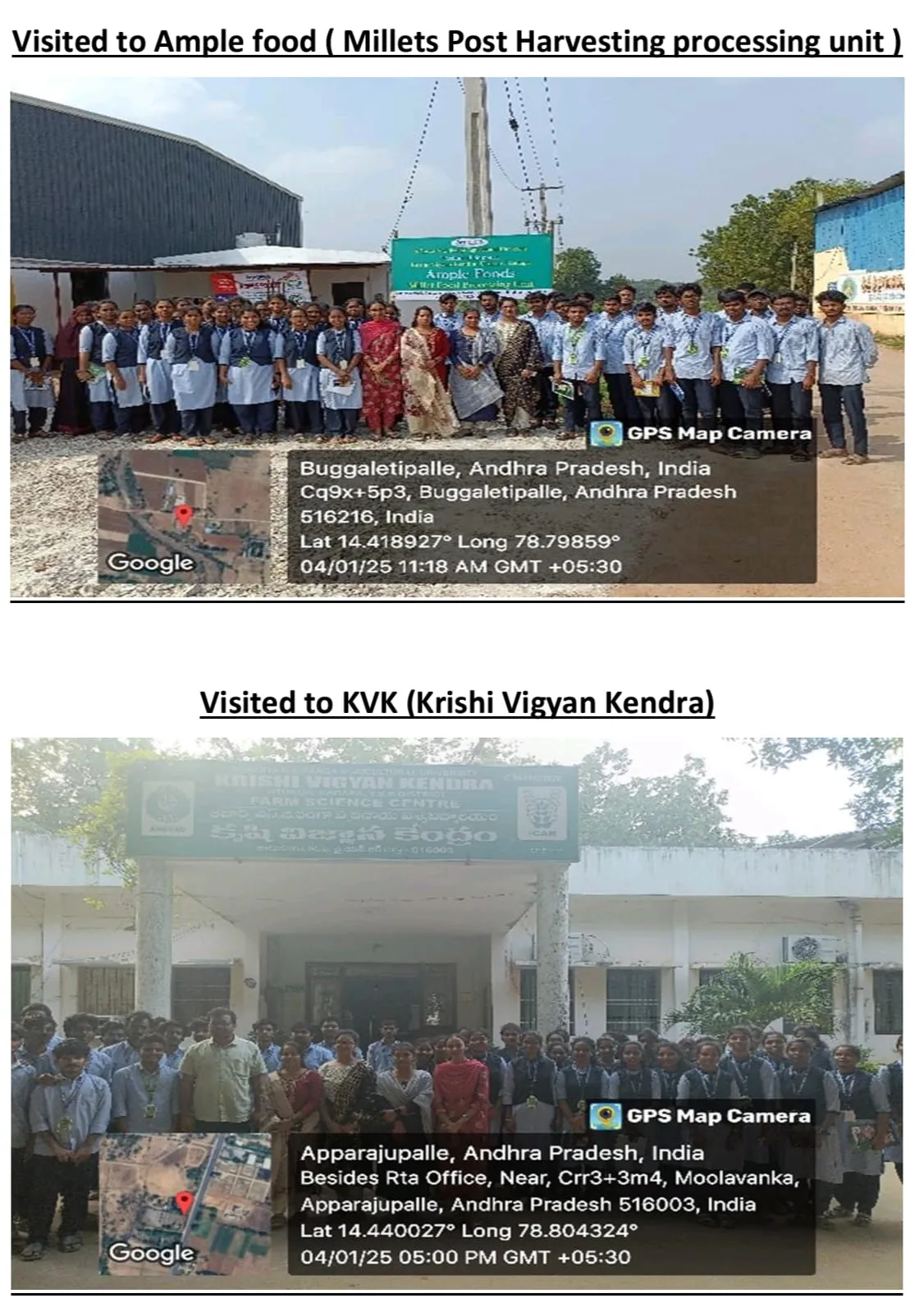
Field and industry exposure visits take students to the Agricultural Research Station, the biofertiliser centre, crop production trials, millet post-harvest processing units, agroforestry at Lankamala forest, and Krishi Vigyan Kendra — alongside visits to the college’s own main farm.
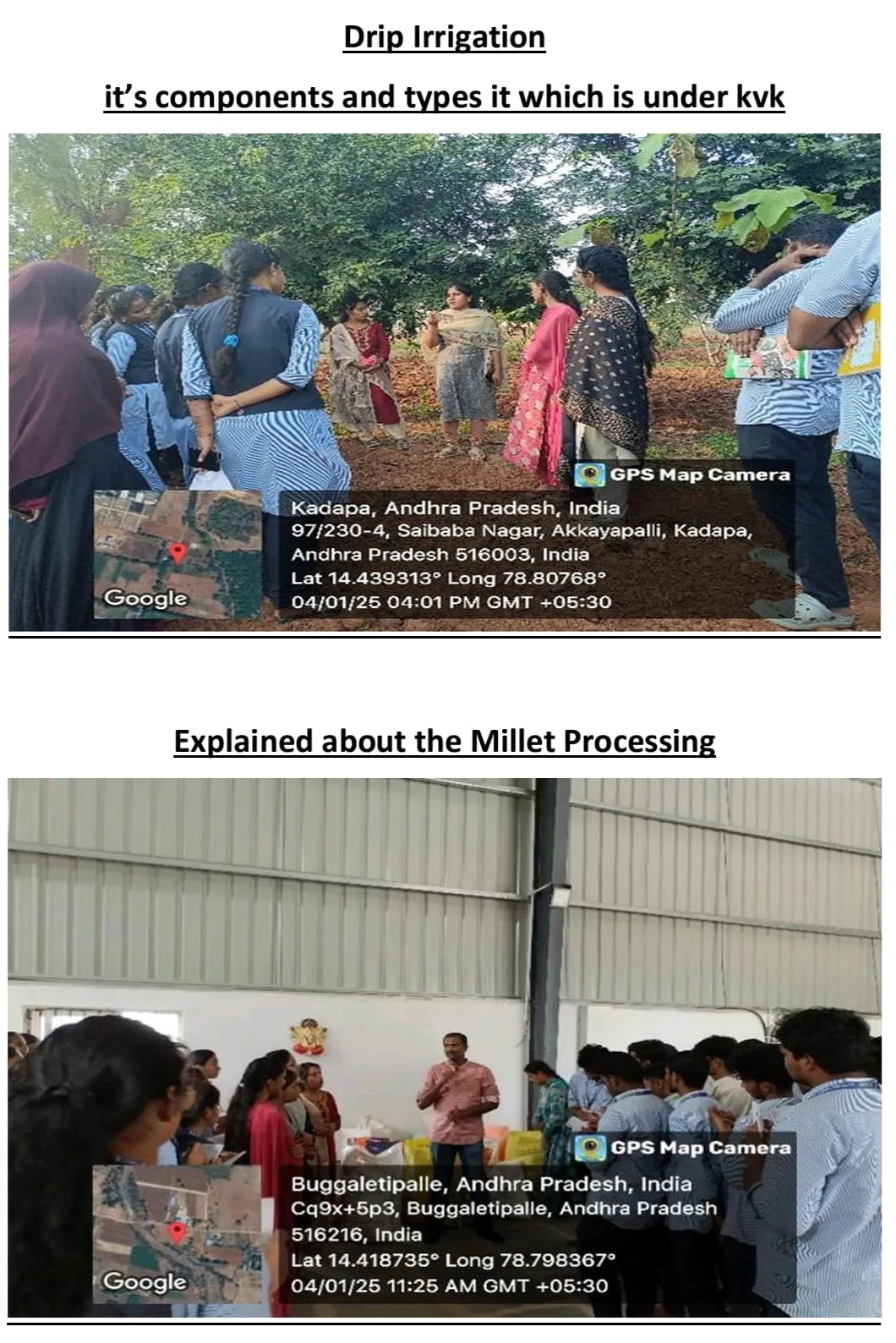
Student Visit 1
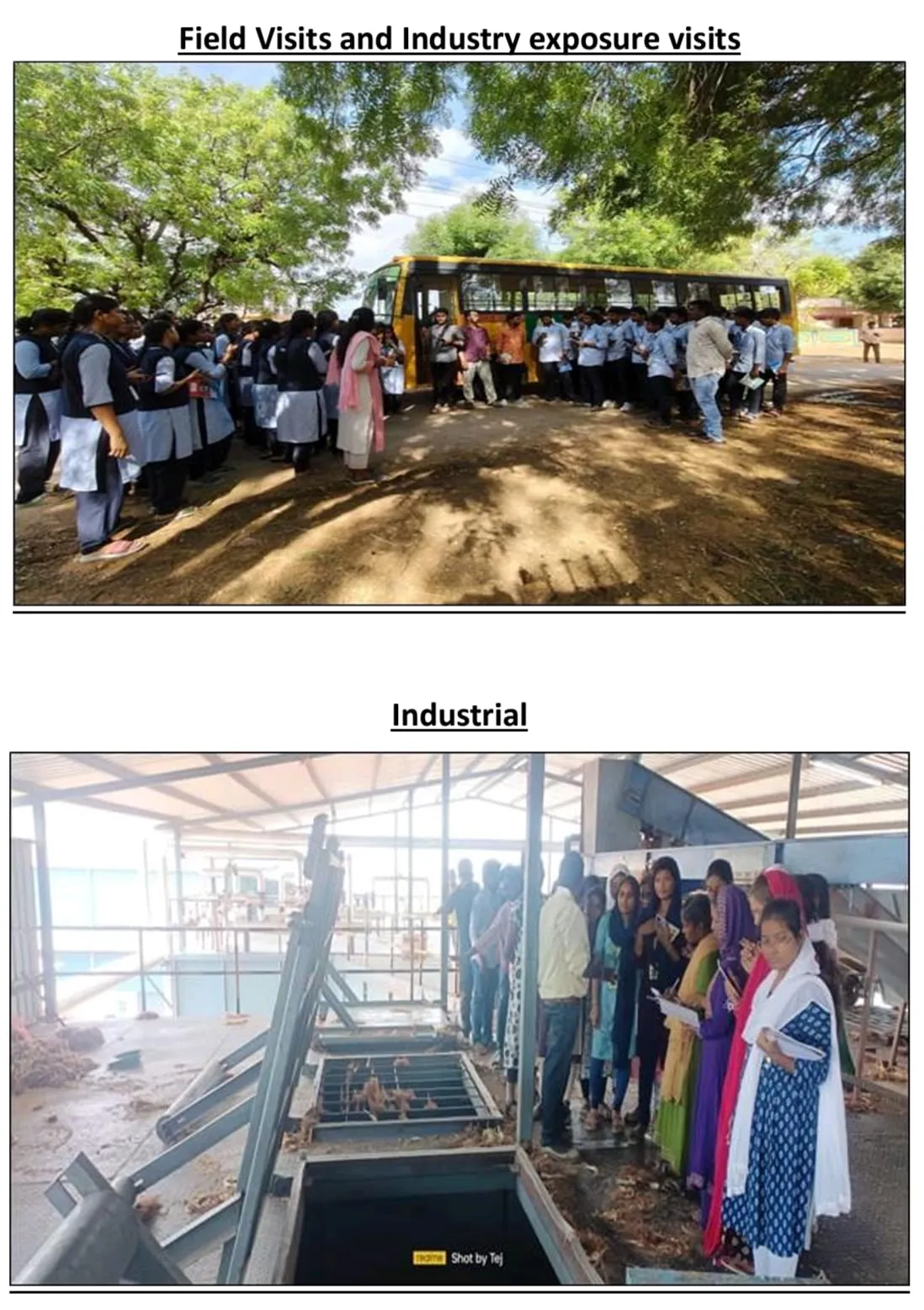
Student Visit 2
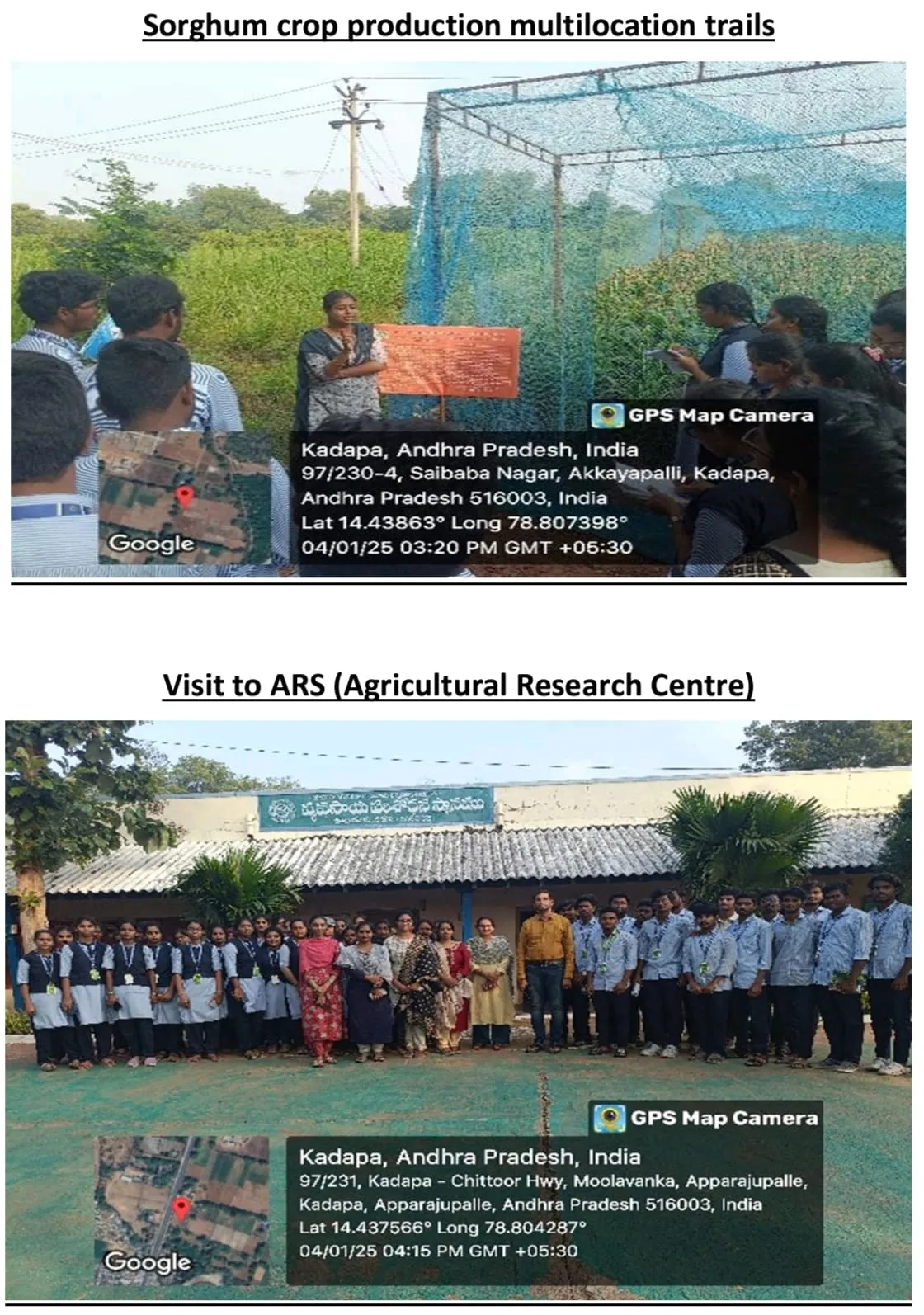
Student Visit 3
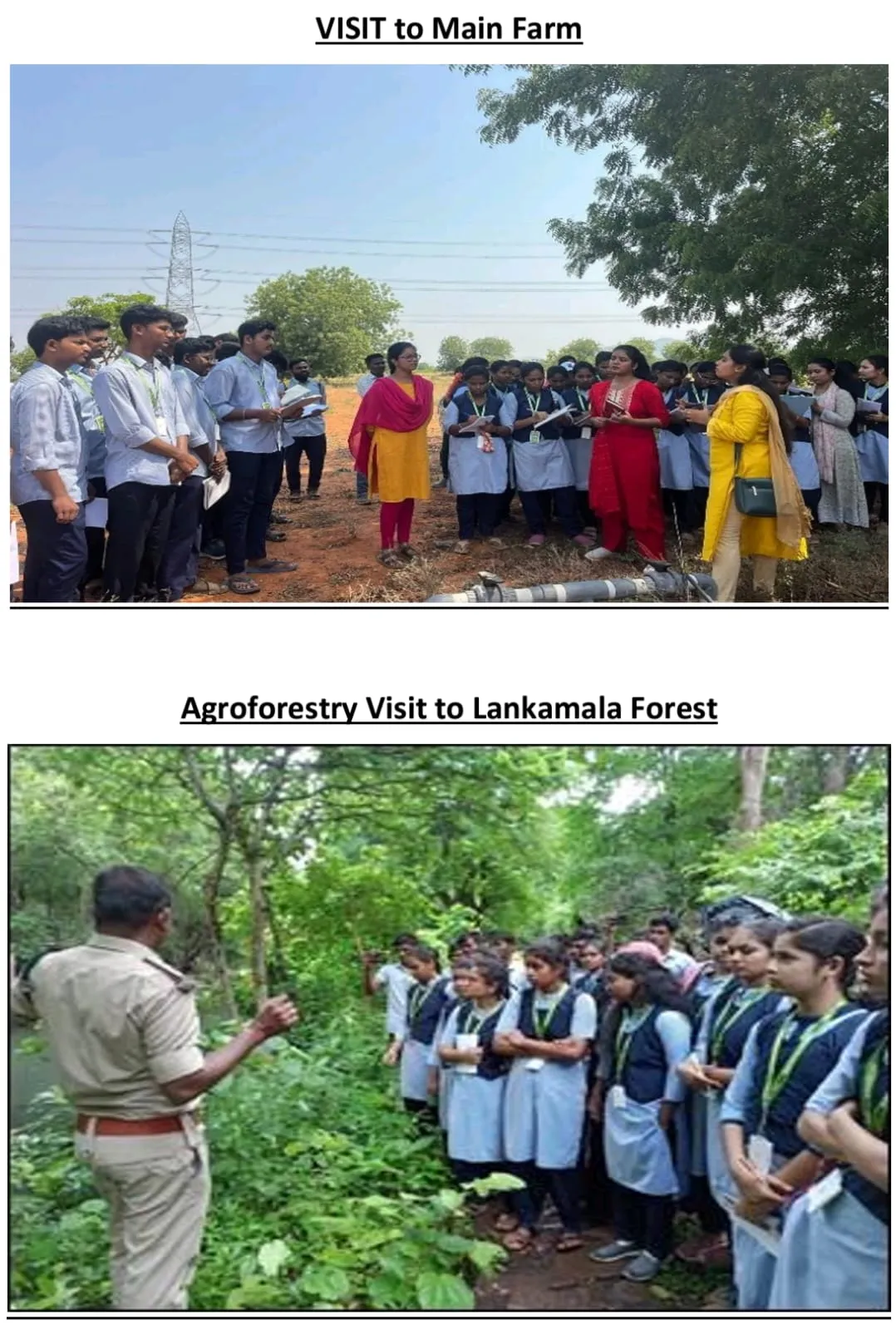
Student Visit 4
Student Visit 5
Student Visit 6